Pediatric Home Health Care Hinesville GA GAPP
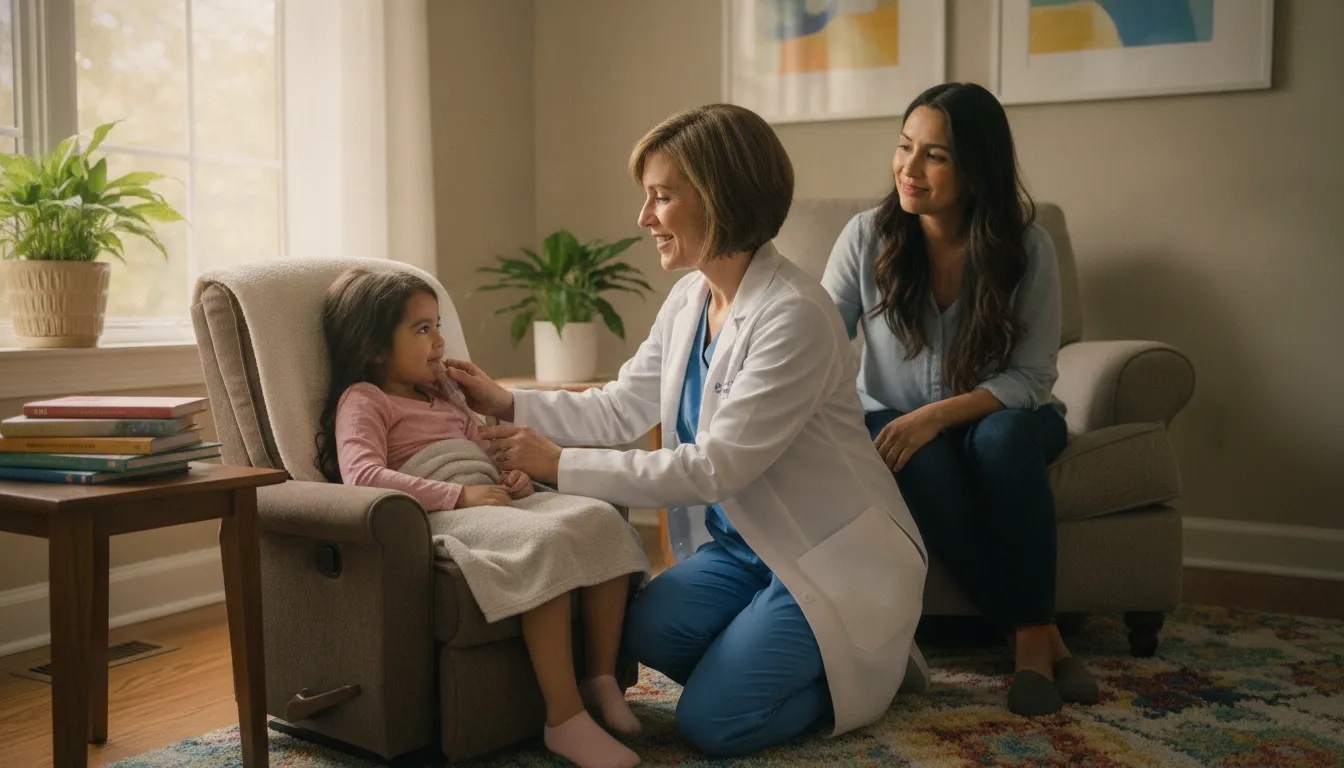
When a medically fragile child needs skilled nursing at home. Families in Hinesville and Liberty County often have to coordinate clinical care, Medicaid requirements, and daily support at the same time. The Georgia Pediatric Program (GAPP) may help eligible children receive medically necessary skilled nursing and personal care support in their home.
For families exploring pediatric home health care hinesville ga gapp, the process generally begins with Georgia Medicaid, physician-ordered services, and a request submitted through a Medicaid-approved GAPP nursing agency. Eligibility and services require program confirmation and prior authorization. Greater Living Home Care provides RN-led care coordination, clinical oversight, and individualized Case Model of Care planning for children with complex needs.
Understanding what GAPP covers and how care is coordinated can make the next conversation with your child’s medical team more productive. Families can also review our guide to pediatric home health care in Georgia for broader program context.
Talk to a Hinesville GAPP care coordinator at (912) 446-5838
GAPP Pediatric Home Health Care in Hinesville, GA and the Fort Stewart Area
For families in Hinesville and the Fort Stewart area, the Georgia Pediatric Program (GAPP) can provide an important pathway to medically necessary care at home. GAPP serves eligible children under 21 who are medically fragile and need medically necessary skilled nursing care and/or medically necessary personal care support. The program is administered through the Georgia Department of Community Health and Georgia Medicaid. You can review the program description in the Georgia Medicaid GAPP publication and the Georgia Department of Community Health GAPP fact sheet.
GAPP is designed around a child’s documented medical needs, not simply a family’s need for supervision. Eligibility and services require program confirmation, physician-ordered services, and the required authorization process. The GAPP fact sheet explains that eligible members should currently be receiving physician-ordered services. Service requests must also move through a Medicaid-approved GAPP nursing agency, with prior authorization required for services.
Greater Living Home Care provides in-home pediatric skilled nursing for families in Hinesville and Liberty County. As a private duty skilled nursing agency, Greater Living provides direct care rather than matching families with independent workers. RNs on staff handle care coordination, clinical oversight, and a Case Model of Care plan developed for each child. That structure helps connect the child’s physician-directed needs with a practical plan for care in the home.
Depending on the child’s approved needs, in-home support may include private duty nursing, intermittent skilled visits, and GAPP or self-directed case management. Greater Living’s clinical team works with families caring for children with complex needs, including tracheostomy care, ventilator support, G-tube management, or frequent suctioning. The specific services and hours depend on medical necessity, physician orders, Medicaid requirements, and prior authorization.
Families who are beginning to understand their options can also review this guide to pediatric home health care in Georgia. It explains the broader care model while this Hinesville-focused resource addresses the local GAPP pathway and the next steps families may need to discuss with their care team.
Who We Serve in Liberty County
Greater Living Home Care serves parents, guardians, and caregivers in Liberty County and Hinesville who care for medically fragile or physically disabled children under age 21. These children may need skilled support for complex conditions, including tracheostomy care, ventilator support, G-tube management, or frequent suctioning. The Georgia Pediatric Program (GAPP) is designed for eligible children under 21 who are medically fragile and need medically necessary skilled nursing or personal care support. Read the Georgia Medicaid GAPP program guidance for the program definition and requirements.
Families caring for a child with medical complexity often coordinate physicians, specialists, therapy providers, school or community supports, and in-home nursing. Research on children with medical complexity describes the need for a multidisciplinary approach that coordinates primary and specialty services. In practical terms, that coordination should make the child’s care plan clearer and help each member of the care team understand their role.
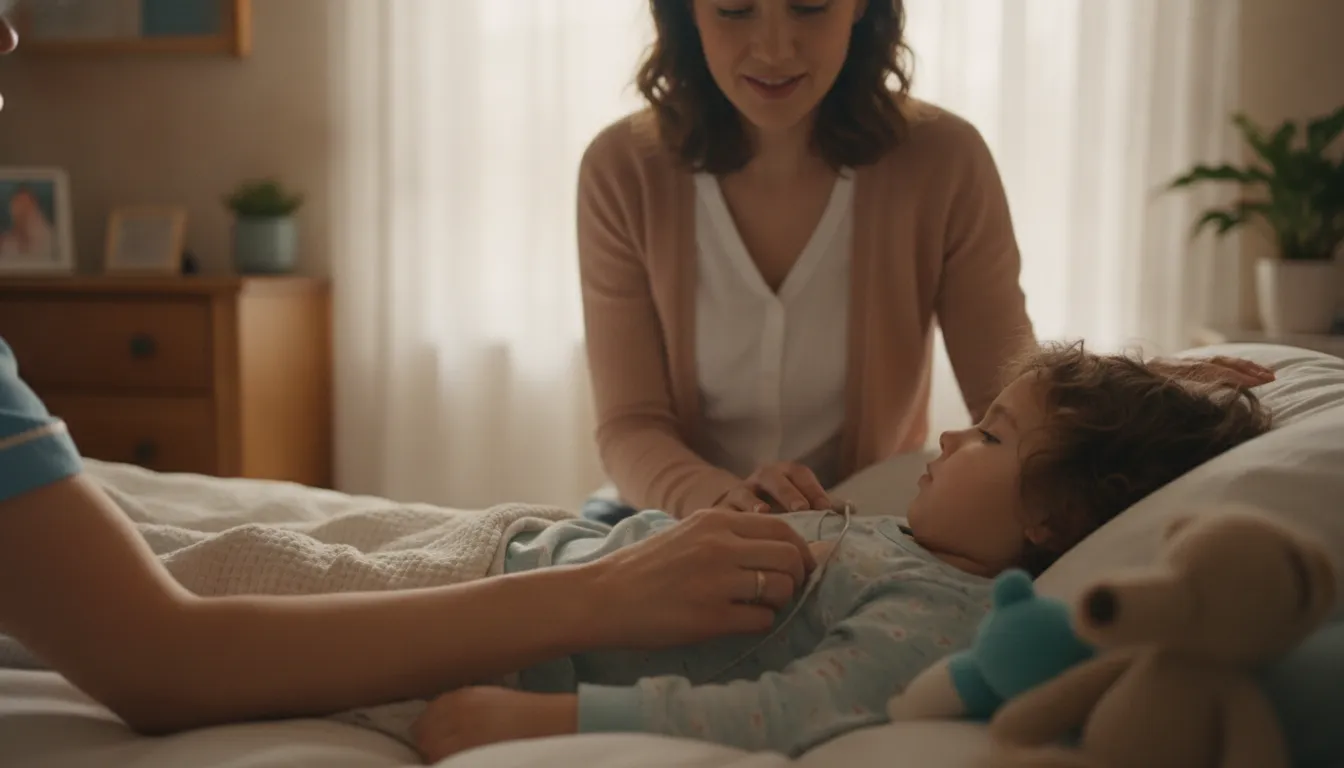
Greater Living approaches that responsibility as a direct-care provider, not a staffing or placement service. RNs on staff directly manage care coordination, clinical oversight, and a Case Model of Care plan developed for each client. That means the agency’s clinical team stays involved in organizing care around the child’s documented needs instead of simply matching a family with an independent nurse.
For a family in Hinesville, this model can provide a central clinical point of contact while the child receives care at home. Services may include private duty nursing, intermittent skilled visits, and GAPP or self-directed case management, depending on the child’s needs and approved plan. GAPP eligibility and services must be confirmed through Georgia Medicaid requirements, physician-ordered services, and the prior-authorization process. Families can review the Georgia Pediatric Program service details before discussing their child’s situation with a care coordinator.
How Pediatric Home Health Care Works for Hinesville Families Under GAPP
For families seeking pediatric home health care in Hinesville, GA, GAPP services begin with a clinical assessment and continue through coordinated authorization and care delivery. The exact services depend on the child’s medical needs, physician orders, and approved plan. GAPP is intended for eligible children under 21 who are medically fragile and need medically necessary skilled nursing or personal care support. Georgia Medicaid explains the GAPP program requirements.
-
Confirm the child’s clinical needs and physician-ordered services. The process starts with the child’s current medical condition and the services ordered by the treating physician. The Georgia Department of Community Health states that eligible members should currently receive physician-ordered services to be considered for GAPP. This clinical documentation helps establish what kind of support may be appropriate at home. Whether the child needs ongoing private duty nursing, intermittent skilled visits, personal care support, or a combination.
-
Connect with a Medicaid-approved GAPP nursing agency. Families do not arrange authorization independently. GAPP service requests must be submitted through a Medicaid-approved GAPP nursing agency, and all services require prior authorization. A qualified agency reviews the child’s needs, gathers required information, and coordinates with the family and medical providers. The Georgia DCH GAPP fact sheet outlines this agency and authorization process.
-
Build a care plan around the child’s daily needs. Private duty nursing, or PDN, provides scheduled skilled nursing support for children who need more continuous clinical attention at home. Intermittent skilled visits may address specific nursing needs at scheduled intervals. A GAPP or self-directed case management arrangement can provide another layer of coordination, depending on the approved program pathway and family circumstances. The care model should reflect the child’s actual needs rather than a generic staffing schedule.
-
Complete prior authorization and wait for the approved services. The nursing agency submits the request through the required Medicaid process. Approval is not automatic, and families should not assume that a diagnosis alone guarantees a particular number of hours or service type. Authorization decisions depend on program requirements, medical necessity, physician orders, and supporting documentation. Keeping the physician, family, and agency aligned can reduce confusion as the request moves through review.
-
Start coordinated care at home and review it as needs change. Once services are authorized, nurses provide care according to the approved plan and the child’s clinical needs. Greater Living Home Care’s RNs directly manage care coordination, clinical oversight, and a Case Model of Care plan for each client. Families can review the Greater Living GAPP service page to understand how in-home pediatric skilled nursing, PDN, intermittent visits, and GAPP or self-directed case management fit together.
This step-by-step structure gives Hinesville and Liberty County caregivers a clearer path from physician-ordered care to a clinically coordinated home support plan. While keeping eligibility and service decisions grounded in Georgia Medicaid requirements.
How to Apply for GAPP Home Nursing in Hinesville
Starting GAPP home nursing involves confirming your child’s clinical needs, Medicaid status, and current physician-directed care. The process is designed to connect medically fragile children with medically necessary support at home, but meeting the basic criteria does not guarantee approval. Each request must go through the formal Georgia Medicaid authorization process.
-
Confirm that your child may meet the basic criteria
GAPP serves eligible children under 21 who are medically fragile and need medically necessary skilled nursing care or personal care support. Your child must also have Georgia Medicaid. These requirements apply whether your family is seeking private duty nursing, intermittent skilled visits, or another covered form of in-home support. Review the Georgia Medicaid GAPP program information for the program’s official eligibility framework.
-
Speak with the child’s physician
The child must currently be receiving physician-ordered services to be considered for GAPP. Ask the treating physician to review the child’s medical needs and document the skilled care or personal care support being requested. Clear clinical documentation helps the reviewing team understand why care in the home is medically necessary.
-
Choose a Medicaid-approved GAPP nursing agency
Families do not submit the entire service request independently. The request must be submitted through a Medicaid-approved GAPP nursing agency. A qualified agency can review the child’s needs, coordinate with the physician, and explain which records and orders are needed for the application. Greater Living Home Care provides direct pediatric skilled nursing rather than serving as a staffing or placement service. Its RNs handle care coordination and clinical oversight for each child’s plan.
-
Develop the care request with the agency
The agency and family gather the physician’s orders and relevant clinical information, then outline the support the child needs at home. This may include skilled nursing or personal care services based on the child’s condition and approved plan. Greater Living develops a Case Model of Care plan for each client, helping connect the requested services with the child’s daily routines, safety needs, and medical requirements. Families can also review the GAPP service details before beginning a conversation.
-
Wait for prior authorization and follow the decision process
All GAPP services require prior authorization, and the Medicaid-approved agency submits the request through the appropriate process. Approval depends on the documentation, medical necessity, program requirements, and authorization decision. No agency can promise an approval in advance. Greater Living has a strong record supporting families through GAPP applications and can help you understand the next step if Medicaid requests additional information or does not authorize the initial request. For the official program description, consult the Georgia Department of Community Health GAPP fact sheet.
If you are in Hinesville or Liberty County, gather your child’s Medicaid information, current physician orders, and recent clinical records before contacting an agency. That preparation can make the first conversation more focused and help the care team identify what information is still needed.
What Services Are Included in Pediatric Home Health Care in Hinesville?
GAPP services are designed around a child’s medically necessary needs, not a one-size-fits-all schedule. The Georgia Pediatric Program serves eligible children under 21 who are medically fragile and need medically necessary skilled nursing care and/or personal care support. Georgia Medicaid describes GAPP services here, while the Georgia Department of Community Health fact sheet provides additional program guidance.
Private duty nursing for higher-acuity needs
Private duty nursing, or PDN, provides skilled nursing support in the home for children whose clinical needs require consistent monitoring and hands-on care. Depending on the physician’s orders and approved care plan, nursing support may address tracheostomy care, ventilator support, G-tube management, medication-related tasks, respiratory monitoring, and frequent suctioning. These services help families maintain a safe care routine at home while a qualified nurse manages the ordered clinical responsibilities.
Greater Living Home Care provides in-home pediatric skilled nursing as a direct-care agency, not a placement service. RNs on staff provide clinical oversight, coordinate care, and help develop a Case Model of Care plan for each client. That plan connects the child’s medical needs, physician orders, nursing services, family priorities, and communication expectations into a practical structure for care in the home.
Intermittent skilled visits and personal care support
Not every child needs continuous PDN. Some families need intermittent skilled visits for specific clinical assessments, treatments, caregiver teaching, or changes in the child’s condition. GAPP may also include medically necessary personal care support when that service is appropriate for the child’s approved needs. Together, PDN, intermittent visits, and personal care support can create a more responsive plan than either nursing or assistance alone.
| Support Type | Who It Helps | How It Is Delivered |
|---|---|---|
| Private Duty Nursing (PDN) | Children who need consistent, hands-on skilled nursing at home | Scheduled nursing support based on the approved care plan |
| Intermittent Skilled Visits | Children who need specific clinical assessments, treatments, or caregiver teaching | Visits at planned intervals for a defined nursing need |
| Personal Care Support | Families who also need medically necessary care-related assistance | Support delivered alongside skilled nursing when authorized |
Services must match program requirements and receive prior authorization through a Medicaid-approved GAPP nursing agency. A care coordinator can review the child’s current physician-ordered services and explain which documentation and approvals are needed. To understand the broader program, visit Greater Living’s Georgia Pediatric Program GAPP service page.
Why Hinesville Military Families Choose Greater Living
For families connected to Fort Stewart, deployments, training schedules, and relocations can make an already demanding care routine harder to coordinate. When a child has complex medical needs, parents and guardians may need dependable clinical communication and a care plan that remains clear even when one caregiver is away. Greater Living Home Care provides in-home pediatric skilled nursing for medically fragile children in Hinesville and throughout Liberty County.
Families beginning their search can review our overview of pediatric home health care in Georgia to understand how skilled nursing and GAPP-related support may fit a child’s needs.
RN-led coordination, not a staffing referral
Greater Living is a private duty skilled nursing agency, not a placement or staffing service that simply matches a family with an independent nurse. RNs on staff directly handle care coordination, develop a Case Model of Care plan for each client, and provide clinical oversight. That structure gives the family a defined clinical point of contact for questions about the child’s plan, changes in condition, and communication with the broader care team.
This distinction can matter during deployment or another major family transition. Instead of leaving parents to coordinate separate personnel and clinical responsibilities on their own, the agency’s nursing leadership helps organize care around the child’s documented needs. The plan can address services such as private duty nursing, intermittent skilled visits, and GAPP or self-directed case management, when appropriate and authorized.
Support built around the child’s actual needs
Children served through GAPP are medically fragile and may require medically necessary skilled nursing or personal care support. Greater Living’s care approach is designed for high-acuity needs, including tracheostomy care, ventilator support, G-tube management, and frequent suctioning. The specific services and schedule depend on the child’s physician-ordered needs, Medicaid requirements, and approved care plan.
Choosing a provider remains a family decision, and GAPP eligibility and authorization must be confirmed through the appropriate Georgia Medicaid process. To learn whether Greater Living may be a fit for your child’s situation, visit the Georgia Pediatric Program service page and speak with the care team about next steps.
Contact a Hinesville Care Coordinator
Starting a GAPP conversation can feel like another demanding task when your child already has physician appointments, treatment needs, and daily care routines. A Greater Living Home Care coordinator can help your family identify the information needed to begin discussing services in Hinesville and throughout Liberty County.
Greater Living Home Care reports a 95% GAPP approval support record. While recognizing that each child’s eligibility and authorization depend on Georgia Medicaid requirements, physician-ordered services, and review through the appropriate process. The team can help explain what to expect and identify the next practical step without promising approval before the state and care team complete their review.
Unlike a placement or staffing service, Greater Living is a private duty skilled nursing agency with RNs on staff. Those nurses directly manage care coordination, develop a Case Model of Care for each client, and provide clinical oversight. That RN-led structure gives families one informed point of contact as they organize physician documentation and discuss the services that may fit their child’s needs.
To begin, contact Greater Living Home Care and share that you are seeking pediatric GAPP support in Hinesville or Liberty County. A coordinator can listen to your situation, answer initial questions, and explain how to move forward.
Request a pediatric GAPP nursing consultation in Hinesville today. Call the care team at (912) 446-5838 to begin.
Frequently Asked Questions
Is GAPP available to families in Hinesville and Liberty County?
Yes. Families in Hinesville and Liberty County can pursue Georgia Pediatric Program services through a Medicaid-approved GAPP nursing agency. GAPP serves eligible children under 21 who are medically fragile and need medically necessary skilled nursing or personal care support. Georgia Medicaid explains the program requirements.
Who may qualify for GAPP pediatric nursing?
A child generally must be under 21, medically fragile, enrolled in Georgia Medicaid, and receiving physician-ordered services. Eligibility and the specific services authorized depend on the child’s documented medical needs and program review. So families should confirm requirements with their healthcare provider and a qualified GAPP agency. The Georgia Department of Community Health fact sheet outlines eligibility details.
How does a family apply for GAPP home nursing?
Start by discussing the child’s current needs and physician-ordered services with the healthcare team. A Medicaid-approved GAPP Nursing Agency then submits the request for prior authorization. Services cannot begin through GAPP until the required authorization process is completed. Georgia Medicaid describes the prior authorization process.
What support can a GAPP agency provide at home?
Depending on authorization and clinical need, support may include private duty nursing, intermittent skilled visits, and personal care services. Greater Living Home Care’s RNs coordinate care, develop a Case Model of Care plan for each client, and provide clinical oversight for medically fragile children at home.
Ready to Contact a Hinesville GAPP Care Coordinator?
Every family’s situation is different, and a conversation can help clarify the next steps for pursuing GAPP pediatric home health care in Hinesville and Liberty County. Contact a Hinesville care coordinator to begin GAPP enrollment. You can also call (912) 446-5838 with questions about coordinating in-home nursing support for your child.
