High Acuity Pediatric Home Nursing Georgia Guide
High Acuity Pediatric Home Nursing Georgia Guide
Caring for a child who needs a ventilator, tracheostomy, or feeding tube can make every hour feel medically complex. High acuity pediatric home nursing Georgia families pursue brings licensed clinical support into the home, so children can receive skilled care near the people and routines they know.
High acuity pediatric home nursing Georgia services bring licensed clinical support into the homes of medically fragile children. This specialized care focuses on managing complex needs such as ventilator support, tracheostomy care, and feeding tube maintenance through the Georgia Pediatric Program (GAPP). For children who meet Medicaid and GAPP eligibility requirements, authorized services may be covered by Georgia Medicaid based on documented medical necessity and state review. Having a skilled nurse at home puts professional clinical care into a family’s daily routines. Greater Living Home Care matches nurses to each child based on medical needs and household preferences. This partnership helps children receive ongoing clinical oversight at home while keeping families together.
Understanding the level of care your child needs is the first step toward getting help. Many parents find the medical system confusing when they start looking for support at home. To help you navigate this process, we will look at What high-acuity pediatric home nursing means in Georgia. Here is how the program works for your family.
High Acuity Pediatric Home Nursing Georgia: What high-acuity pediatric home nursing means in Georgia
High-acuity care means a child needs a high level of medical help. This is for kids with complex needs who need care all day. It is not just about help with a bath or a meal. It is skilled care from a nurse with a license. This high acuity pediatric home nursing helps kids stay in their own homes. This is much better than staying in a hospital for weeks or months. Kids feel more at ease in their own space. It lets them grow in a place they know and love.
Defining high-level care for children
In Georgia, many families have kids who are medically sick. These kids may have a hard time breathing or eating on their own. They might need a machine to help them breathe. They might use a tube for their food. This kind of care is “high acuity” because the tasks are very hard to do. It takes a nurse who has the right skill to do them in a safe way. Nurses who do this work must have deep training. They must be ready to act fast if a child’s health changes.
Some parents ask how this care is not the same as other home help. Personal care helps with daily tasks. It covers things like getting dressed or moving from a bed to a chair. It is helpful for safety and comfort. Skilled nursing is medical care. It involves tasks that only a nurse can do by law. This includes care for a breathing tube or a feeding tube. It also includes giving some types of medicine that need a nurse to watch for side effects.
Skilled nursing vs personal care services
A child with a long-term illness might need both types of help. But high-acuity care focuses on the skilled medical part. Nurses check the child’s heart rate and oxygen levels often. They look for small health changes that could lead to big health issues. This keeps the child safe and steady at home. For many Georgia families, pediatric home nursing in Georgia is the best way to keep their child healthy. It provides a bridge from the hospital to the home.
| Type of Care | Who Gives It | Common Tasks | Main Goal |
|---|---|---|---|
| Skilled Nursing | RN or LPN | Trach care, feeding tubes | Health stability |
| Personal Care | Home Aide | Bathing, meals, dressing | Daily help |
| Respite Care | Nurse or Aide | Basic care, safety check | Break for parents |
Medical help for complex needs
Medically complex children often have a care path that lasts 24 hours a day. This journey can be very hard for parents to do on their own. It takes a lot of time and energy to watch a child’s health every minute. Skilled nurses do more than just give out shots or pills. They act as a true partner for the whole family. They help parents learn how to handle their child’s needs. This bond is vital for the child’s health over time.
Research shows that children with medical complexity need home nursing to stay healthy. When families cannot get enough help, they face more stress. They may even have money problems if they must quit a job to stay home. The right home nursing helps the family stay together. In Georgia, the GAPP program pays for these costs. This means families do not have to pay for these needed services. It helps parents keep their jobs and keep their homes stable.
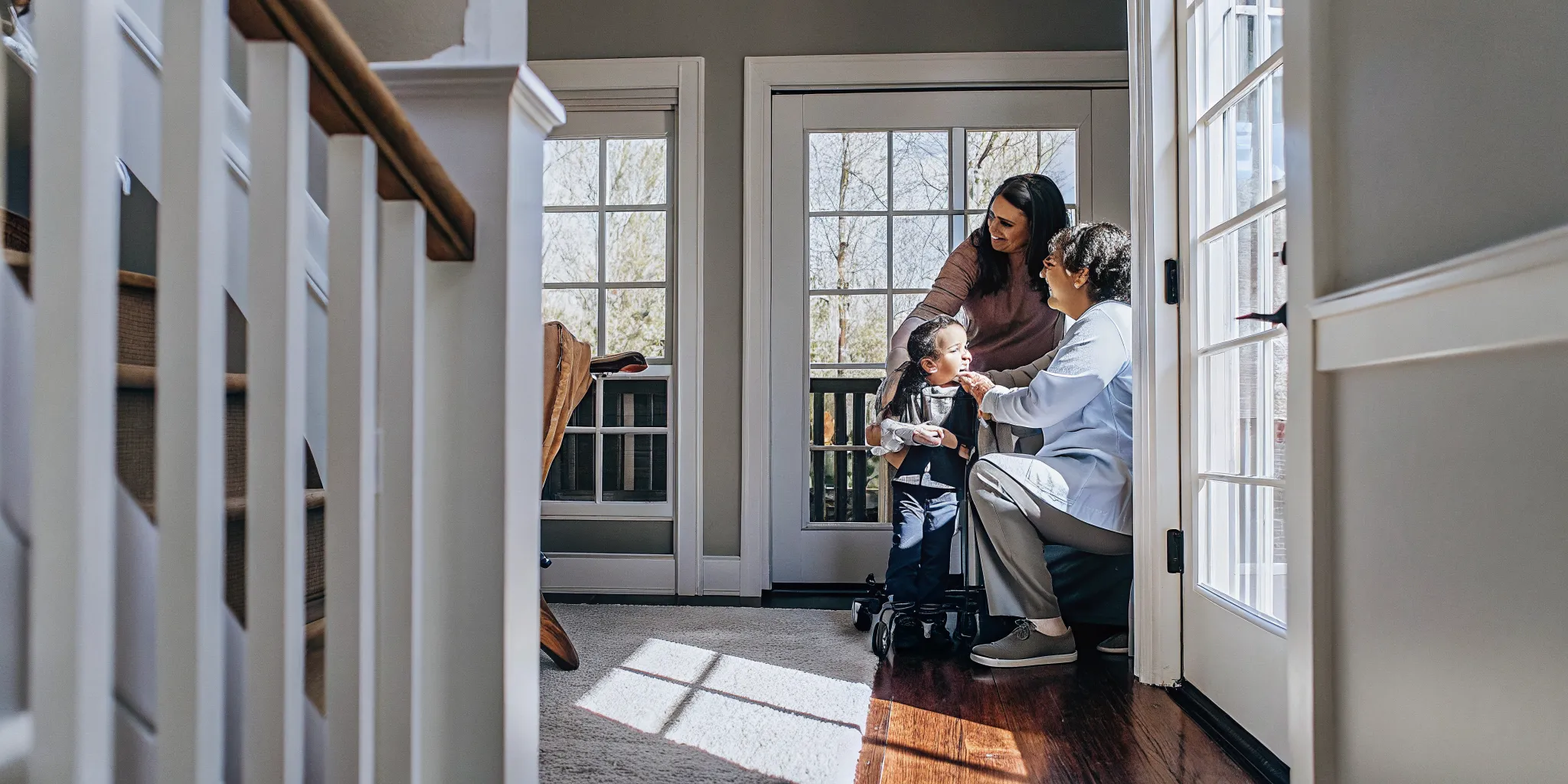
Having a nurse at home changes how a family lives. It allows the child to be in a familiar place with their own toys and pets. This home setting can help a child feel calm and happy. It also gives parents a chance to rest or play with their other kids. When a nurse is there, parents know their child is in good hands. This expert care also helps reduce trips to the ER. It helps kids reach their fullest while staying safe at home with the people they love.
Which conditions may require high-acuity pediatric home nursing?
Caring for medically complex children means managing health needs that change day by day. While every child is different, some health issues need more help than others to stay safe at home. High-acuity care brings skilled help to your door so your family can focus on living life together.
Technology-dependent care needs
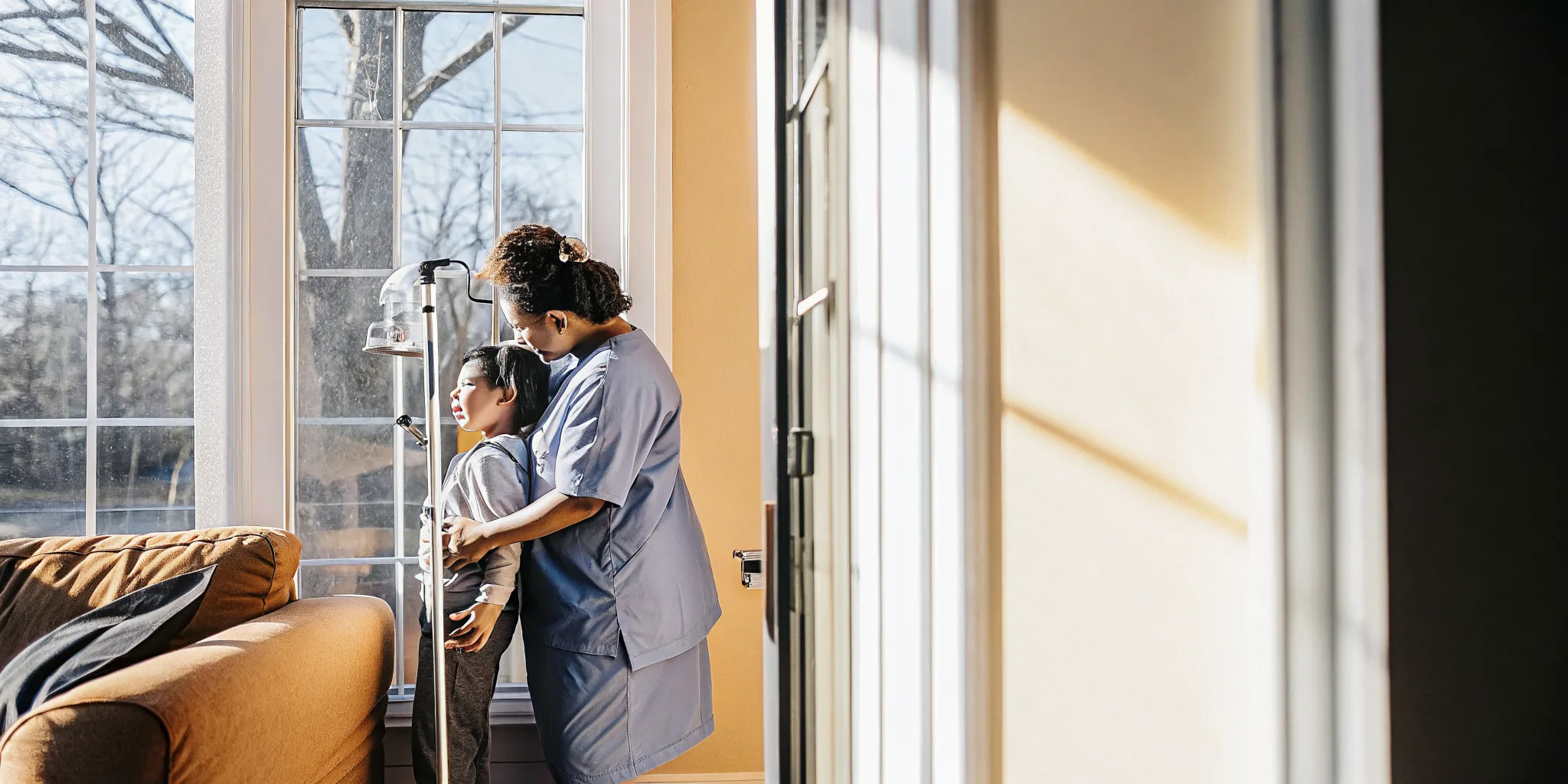
Many children who need high acuity pediatric home nursing rely on medical tools to breathe or eat. For example, a child with a tracheostomy might need a nurse to help with suctioning and skin care to keep their airway clear. If a child uses a ventilator, a nurse ensures the machine works right and monitors oxygen levels often.
Feeding tubes, such as G-tubes or J-tubes, also fall into this group. Nurses help by giving food and meds through the tube while watching for signs of skin trouble or tummy issues. This help keeps your child stable in their own room and can prevent trips to the hospital.
Neurological and neuromuscular conditions
Conditions like cerebral palsy or a brain injury can lead to complex health goals. Some children may have frequent seizures that need quick action and special meds. A skilled nurse can spot early signs of a seizure and give care right away. This level of support is vital for children with high medical complexity who face risks every day.
Neuromuscular issues, such as spinal muscular atrophy, also require a close watch. Nurses help with movement, lung health, and daily tasks that are hard for the family to do alone. This care helps your child stay active and comfortable at home.
Complex health needs and GAPP
In Georgia, the Georgia Pediatric Program (GAPP) helps families get this care. It covers services for children who have high-acuity needs but wish to stay at home instead of a clinic. This program is for children under age 21 who meet medical and financial rules. It allows you to get pediatric home nursing in Georgia without worrying about high costs.
Not every child with a health issue will need a nurse at home. A clinical assessment helps find out if your child qualifies for these services. This check looks at your child’s daily needs and how a nurse can best help your family stay stable at home.
What does a high-acuity pediatric home nurse do?
High-acuity pediatric home nursing in Georgia brings expert medical care to your child’s room. These nurses do far more than just watch your child. They give the life-saving help that lets medically complex children stay at home. Your child can grow up near family instead of living in a hospital. This care fits your life. It follows a plan made just for your child’s needs.
Clinical tasks and skilled care
A home nurse handles the hard parts of your child’s care every day. This often includes jobs that need special training and fast action. For many, high acuity pediatric home nursing means having a pro who can use medical tools and give medicine. They make sure all care is safe. They also make sure the nurse follows the doctor’s path for your child’s health.
The daily work of a nurse often includes:
- Checking and using breathing machines like vents.
- Cleaning trach tubes and clearing the airway.
- Giving food through tubes like G-tubes.
- Giving medicine through IVs or other lines.
- Care for wounds after a surgery or for skin issues.
Giving medicine is a key part of the job. Some children need many types of drugs at odd hours. The nurse keeps a strict log of each dose. They watch for side effects and tell the doctor if anything looks wrong. This level of care keeps your child’s health steady day and night. By doing these tasks, the nurse takes a big weight off your back as a parent.
Safety and health monitoring
When a child has a big health need, things can change in a blink. A nurse stays alert for small changes in how a child breathes or acts. This close watch helps stop trips to the hospital. In our state, pediatric home nursing in Georgia focuses on this work. It keeps your child stable and out of the emergency room.
Nurses also make a clear plan for when things go wrong. They know what to do if a machine stops or if a child gets sick fast. This plan helps parents feel less worried. The nurse writes down every small detail of the day. These notes help the whole medical team see how your child is doing. Doctors use these notes to decide on new ways to help your child feel better.
Medical tools can be loud and hard to use. The nurse knows how to fix common issues with pumps and monitors. They keep the gear clean and ready for use. This keeps the home safe and stops germs from spreading. A well-kept home ward is the best place for a child to heal and grow. It makes it easier for your child to reach their goals.
Family support and planning
Home nurses act as a link between the clinic and your home. They talk to all the different doctors and therapists. This makes sure everyone has the same info. They also spend time teaching you how to use the medical tools. This help makes you feel more sure of yourself when you care for your child. It makes the whole family stronger.
A good home nurse knows how to work in your house. They try to fit in so your child can just be a kid. This help cuts down the stress of having a child with big health needs. When the nurse does the hard medical work, you can focus on being a mom or dad. You get to spend more sweet time with your family. This is why expert care at home is so vital for many families.
How Georgia Medicaid and GAPP may support care
The state of Georgia has a vital program for families with fragile children. This program is called the Georgia Pediatric Program, or GAPP. It uses Georgia Medicaid to pay for skilled nursing at home. For many families, high acuity pediatric home nursing is how they keep their child out of a care center. This support helps your child stay safe in the house they love.
Managing a child’s health can be a huge task for any parent. Skilled nursing brings pro help into your home. This means you can focus on being a parent while a nurse handles the medical work. The program looks at each child’s health to see how many hours of care they can get. This aid is meant to help your family find more peace and stability each day.
Qualifying for GAPP and medical need
To get help through GAPP, a child must show a clear medical need for skilled care. This usually means the child has health issues that need a nurse’s eye. For example, a child might need help with a breathing tube or a feeding tube. These high-acuity needs are what the state looks for when they review a request. Each case is unique, and the state makes the final choice based on health notes.
The state uses a term called “medical necessity.” This means the care must be needed to treat or manage a health issue. It is not just about help with daily tasks like bathing. It is about skilled tasks that only a trained nurse can do. Studies show that many families have a hard time staffing the home nursing hours they are given. Having a good plan can help you get the most out of these hours.
A doctor must also sign off on the care plan. They will list the tasks your child needs and how often. This list helps the state decide if your child meets the rules. It is key to have all your health records ready when you start. Clear notes from your child’s doctors will make it easier to show why the care is needed for your child’s health journey.
The GAPP check and review process
Applying for pediatric home nursing in Georgia starts with a look at your child’s health. A nurse will visit your home to do a check. They will look at your child’s needs, their home, and the care they get now. This check is a big part of the process. It gives the state a full view of your child’s daily health needs and life at home.
After the home visit, the state reviews all the files. They look at doctor notes, the nurse’s check, and Medicaid rules. It is vital to know that the state has the final word. They decide if your child can join the program and how many hours they will pay for. This choice is never a sure thing until you get a formal letter. Every child must go through this review to get into the program.
Once you are in, the state will set a number of nursing hours for your child. These hours are reviewed often to make sure they still fit your child’s health status. If your child’s needs change, the hours might change too. This keeps the care tied to what your child needs most. Your nursing team will work with you to fill these hours with the right staff for your family.
How to pursue pediatric home nursing in Georgia
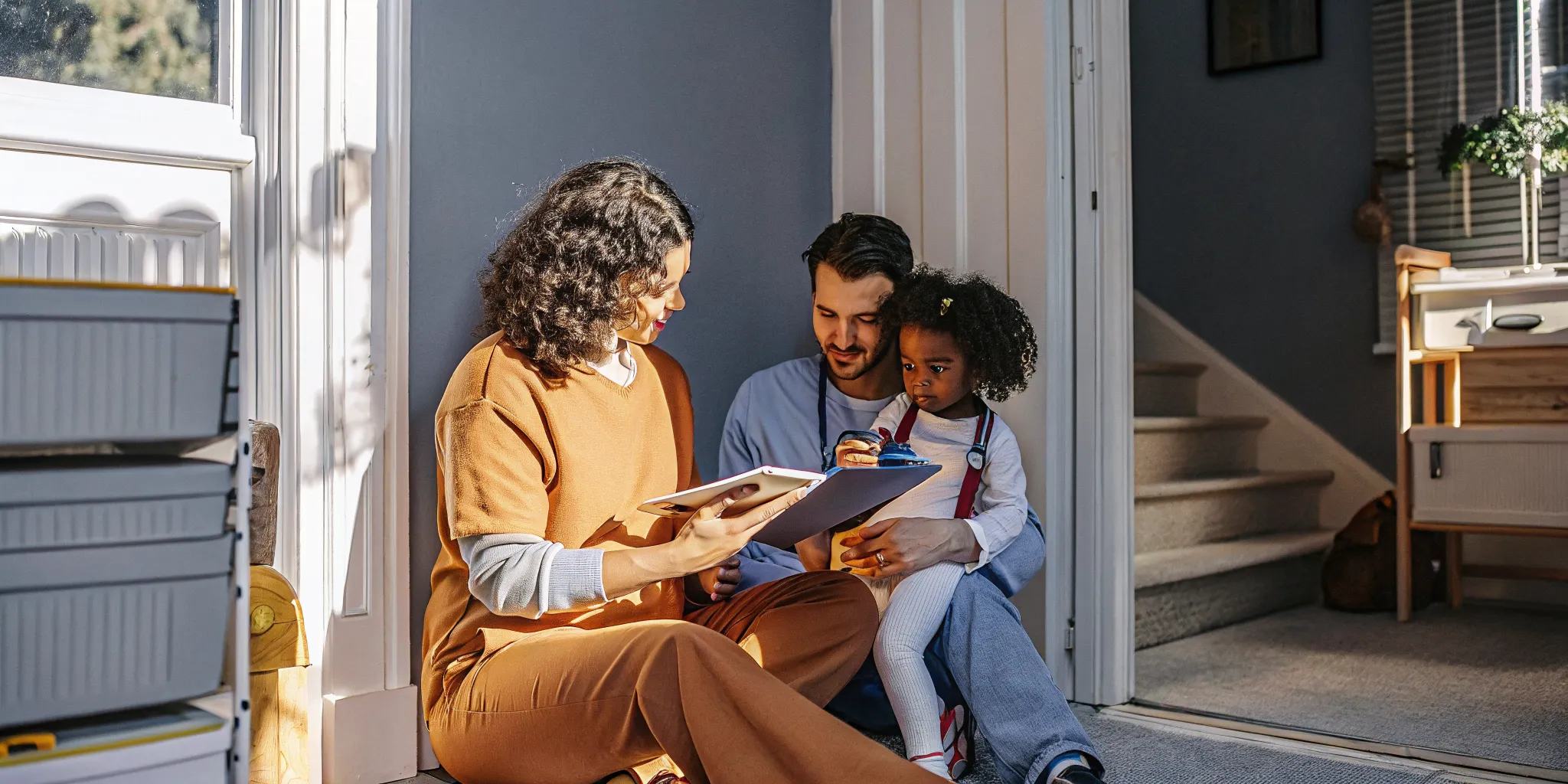
Getting skilled home care for your child can feel like a big task. You want the best support, but the path is not always clear. In Georgia, programs like GAPP help families get the care they need at home. This path has a few key steps to make sure your child gets safe and expert help. By following a clear plan, you can move from the hospital or clinic to home with less stress.
The goal is to build a team that fits your life. Expert care helps keep your child stable and lets your family focus on being together. You do not have to find the way alone. With the right records and a good nursing partner, you can get the help your child needs to thrive in their own home.
Getting your child’s records ready
To start, you must have all your child’s health facts in one place. This list should have clinic notes, hospital records, and a list of all current tools like pumps or monitors. Clear records help the state see why your child needs a nurse at home. Some children with complex needs must have home nursing to stay healthy and out of the hospital. Having these papers ready can make the whole process much faster.
Talk to your child’s doctors early. They can help you find the right words to describe your child’s care. When the records show a clear need for skilled nursing, it is easier to get the hours your family needs. Make sure to keep copies of every new test or note. These files are the key to showing that your child needs help to stay safe each day.
- Talk to your medical team. Start by asking your child’s doctors about high acuity pediatric home nursing. They can help you see if your child meets the state rules for home care.
- Get all medical files. You will need copies of recent tests and doctor notes. These files show that your child needs a nurse at home for safety and steady health.
- Apply for GAPP. The Georgia Pediatric Program (GAPP) is for children who need skilled care. You must show that your child has Georgia Medicaid to use this program.
- Have a clinical review. A state nurse will visit your home to check your child’s needs. They look at things like breathing help or feeding tubes to decide on your nursing hours.
- Choose a nursing provider. You can pick a company that fits your family’s life and style. Look for one that knows how to handle pediatric home nursing in Georgia with expert skill.
- Build a plan of care. Your doctor and the nursing team work together to write a plan. This list tells the nurses exactly what tasks to do each day to keep your child safe.
- Find the right staff. The home care company will match a nurse to your child. They look for someone who has the right skills and a bond that fits your home.
The GAPP review process
The GAPP review is a key part of getting your nursing hours. A state nurse will check your child’s daily health tasks. They look at how often your child needs help with high-acuity tasks. This can include things like trach care or using a ventilator. Be ready to talk about a typical day and all the care you give. This talk helps the state know how much expert help your family needs to stay safe.
During the visit, show the nurse all the medical tools you use. Explain how you manage care when things get hard. The more the nurse knows about your daily life, the better they can judge the level of help needed. Stay calm and focus on the facts of your child’s health. Clear facts lead to a better plan for your family.
Working with your nursing team
Once you have your hours, the goal is to use them all as planned. Families who get less than half of their approved hours often face more stress and money problems. It is vital to work closely with your home care company. Stay in touch about nurse schedules and any changes in your child’s health needs. Good talk with your team keeps the care steady.
A good bond with your nurses makes a big difference. When the staff feels like part of the team, the care is better for your child. Trust your team but also speak up if you see a problem. Open talk helps everyone stay on the same page. This team work is what makes home nursing work well for years to come.
What families can expect after care begins
Starting high-acuity care at home is a big change for any family. Our goal is to make this shift as smooth as possible by focusing on your child’s health and your family’s daily life. Once pediatric home nursing in Georgia begins, you will work closely with a team of skilled nurses to manage your child’s medical needs.
Building a nurse-family partnership
The first few weeks focus on building trust and a shared routine. Nurses do more than just medical tasks. They fit into your home to support family-centered care. This partnership helps your child stay stable and lets you focus on being a parent. Clear talk between you and the nursing team ensures everyone stays on the same page about your child’s well-being.
Daily routines and shift handoffs
Your child’s medical plan stays the same across different shifts through clear notes. Nurses track vital signs, feeding times, and medicine doses in a clinical chart. When a new nurse arrives, they review these notes during a shift change to keep care steady. This work is vital for children who rely on home nursing to maintain their health.
School and community life
High-acuity care does not have to stop at your front door. Many children can go to school or take part in local events with their nurse by their side. This support helps children with complex needs join in on more activities safely. Whether in class or at a park, the nurse stays focused on the child’s safety and clinical needs. This care aims to give your family a sense of normalcy in daily life.
Privacy and changing care needs
While having professional help at home is vital, we also value your family’s privacy. Nurses are trained to be helpful while respecting your home space. As your child grows or their health changes, their care plan will change too. We perform regular check-ins to see if shift hours or clinical tasks need an update. This ensures the high acuity pediatric home nursing your child gets matches their current needs.
Frequently Asked Questions
What is the highest level of pediatric nursing?
While advanced nurses have the most school, high-acuity home care relies on skilled private duty nurses. These experts provide the daily help that fragile children need to stay safe at home. They manage tasks like feeding tubes and breathing machines. This level of care is vital for children with severe needs. Based on facts from Greater Living Home Care, this nursing helps families avoid long stays in the hospital. It lets children stay in their own beds.
Can I be a paid caregiver for my child in Georgia?
Some Georgia programs under Medicaid waivers allow parents to be paid as caregivers. But these programs are often not the same as the nursing hours from the Georgia Pediatric Program. To get paid, you must meet certain rules and follow state laws. It is best to talk to a local expert to see if you can get these roles. This help can reduce money stress on your family while you care for your child at home.
Are there any out-of-pocket costs for GAPP services?
There are no out-of-pocket costs for services that the Georgia Pediatric Program covers. If your child is in GAPP, Georgia Medicaid pays the full cost of home nursing. This lets families get high-quality care without a money burden. You should check if your child can get this help with a medical test first. Once the state says yes, they pay for the expert support your child needs. This lets you focus on your family instead of medical bills.
What happens if my child’s nursing hours are not fully staffed?
When families do not get all the nursing hours they need, it can cause a lot of stress. Research in PubMed shows that understaffed home nursing leads to money problems for the family. It can also make it hard for parents to work or sleep. This is why finding a reliable agency is so important for your child’s health. A good agency works hard to fill every shift with a skilled nurse so that your child stays safe.
Ready to set up skilled home nursing for your child?
Waiting to set up care can lead to more stress and gaps in your child’s support. These gaps can affect their health and your own peace of mind. The sooner you start the process, the faster your family can get expert help. Schedule a time to talk to a nurse to move toward a more stable and safe home life. Our team knows how hard it is to manage medical needs alone. We can guide you through the GAPP program steps. Eligibility and approved nursing hours depend on Georgia Medicaid enrollment, medical necessity, and state review.
Contact Greater Living Home Care to discuss your child’s pediatric home nursing needs.
