A Complete Pediatric Home Care Nurse Job Description
Many nurses believe home care is a step down in intensity from a hospital setting, but the opposite is often true. In pediatric home care, you are the primary clinical expert in the home. You operate with a high degree of autonomy, making critical decisions and managing sophisticated medical equipment without a team of colleagues just down the hall. This role demands confidence, sharp problem-solving skills, and the ability to remain calm and effective under pressure. It’s a position for a self-starter who is not only comfortable with but also thrives on that level of responsibility. A standard pediatric home care nurse job description can only scratch the surface of this demanding and empowering role. Here, we’ll detail the independence and clinical judgment required to succeed.
Greater Living Home Care provides skilled in-home nursing to medically fragile children under 21 in Georgia — covered by Medicaid through the Georgia Pediatric Program (GAPP). Most families qualify within 30 days of applying.
Key Takeaways
- Combine advanced clinical skills with personal connection: This role focuses on providing dedicated, one-on-one care for a single child with complex needs, requiring you to manage specialized equipment like ventilators and tracheostomies while building a deep, trusting relationship.
- Empower families and coordinate care: Your responsibilities extend beyond medical tasks; you will teach and support the child’s family, building their confidence, and act as the central point of contact for the entire care team through clear communication and detailed record-keeping.
- Success requires both technical and personal strengths: This role requires technical qualifications, like an RN license and PALS certification, and essential soft skills, including clear communication, emotional stability, and the confidence to work independently.
What Is a Pediatric Home Care Nurse?
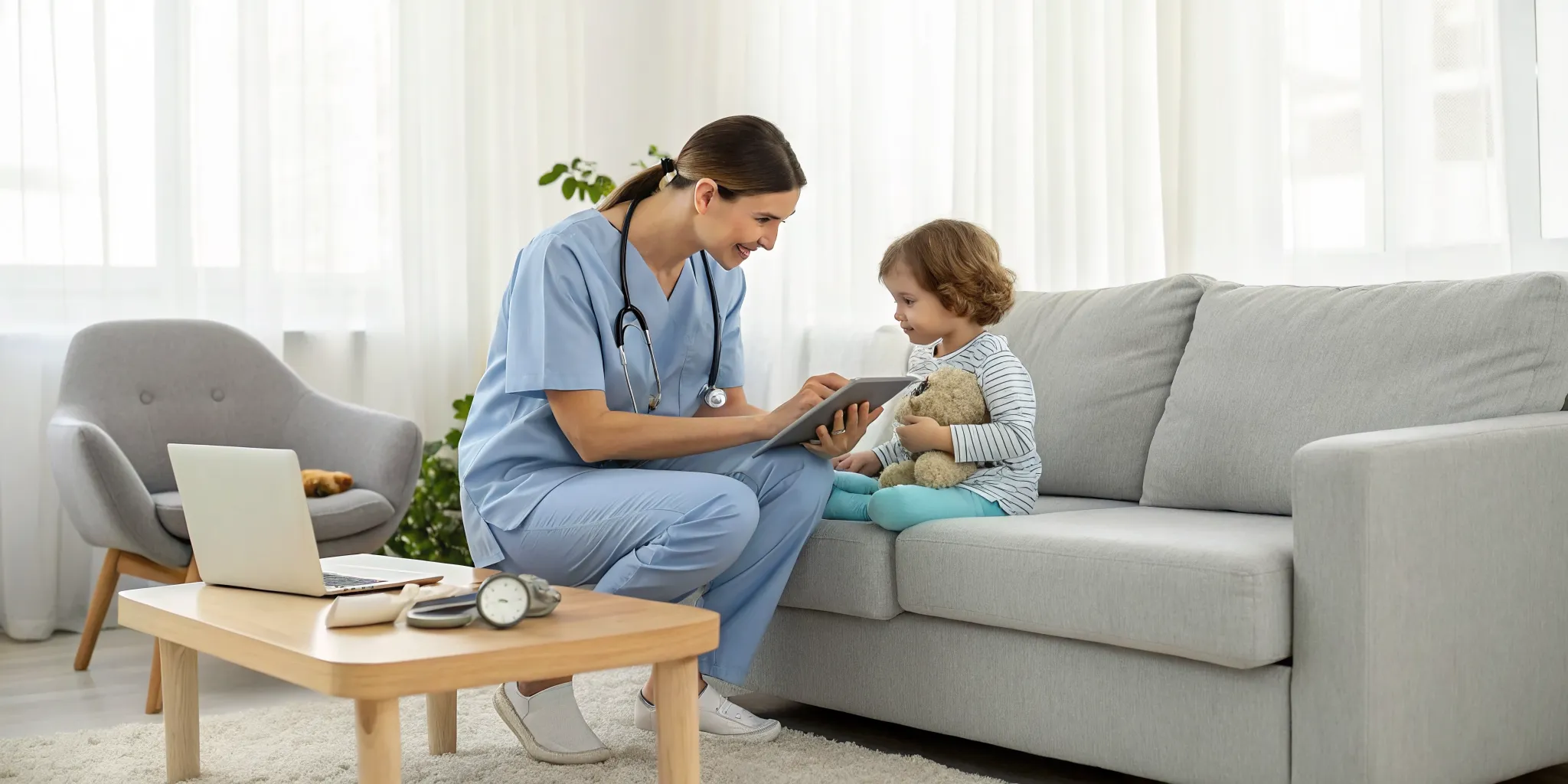
A pediatric home care nurse is a registered nurse (RN) or licensed practical nurse (LPN) who provides skilled medical care to children in their own homes. Instead of a hospital or clinic, your workplace is a child’s familiar, comfortable space. You become a vital part of their daily life, helping them manage health challenges while allowing them to grow and thrive where they feel safest. This role is a unique blend of professional skill, deep compassion, and personal connection, offering a profoundly different experience from traditional nursing settings. It’s a career path focused on providing dedicated, one-on-one support to medically fragile children and their families.
How It’s Different from Hospital Nursing
If you’re used to the fast pace of a hospital floor, home care offers a significant change of scenery and focus. The biggest difference is the shift from caring for multiple patients at once to providing dedicated, one-on-one care for a single child. This allows you to move beyond just managing tasks and truly get to know your patient on a personal level. You’ll learn their unique communication cues, their favorite activities, and what makes them smile. This deep understanding helps you provide more personalized and effective care. The role of the home care nurse is built on the foundation of this one-on-one relationship, creating a space for focused, high-quality clinical work without the constant interruptions of a busy unit.
Caring for Medically Complex Children
As a pediatric home care nurse, you will provide essential, high-quality care to children with complex medical needs. Your responsibilities are significant and require a high level of clinical skill. You may be managing a ventilator, monitoring a tracheostomy, administering medications through a feeding tube, or providing other critical interventions. Your day involves constant monitoring of your patient’s health, performing medical procedures, and carefully documenting their progress. You are the frontline expert, ensuring your patient’s well-being and stability at home. This guide on what pediatric home health nurses do offers a closer look at the specific duties you can expect to perform in this specialized field.
Debunking Common Myths About the Role
A common misconception is that home care nursing is somehow less challenging or significant than working in a hospital. In reality, the opposite is often true. This role requires a unique combination of clinical expertise, independence, and critical thinking. You are the primary medical professional in the home, and families rely on your judgment and skills. Far from being less meaningful, the work is incredibly rewarding. You build strong, trusting relationships with the children and families you serve, becoming an expert on your patient’s specific needs and behaviors. If you’re wondering if pediatric home nursing is right for you, consider the deep impact you can make by providing consistent, compassionate care in a child’s home.
Your Core Responsibilities as a Pediatric Home Care Nurse
As a pediatric home care nurse, your role is a unique and powerful blend of clinical expertise, heartfelt compassion, and steady leadership. You aren’t just performing tasks from a checklist; you are the vital link that allows a child with complex medical needs to thrive at home with their family. Your responsibilities go far beyond what you might experience in a hospital setting, where patient turnover is high. In home care, you have the time and space to build a deep, meaningful connection with one patient and their family. You become a trusted partner, a skilled manager of sophisticated medical technology, and a central coordinator for the child’s entire care team. This position requires you to be adaptable, confident in your skills, and deeply committed to your patient’s well-being. It’s a job where you’ll see the direct impact of your work every single day, providing not just medical care, but also comfort, stability, and peace of mind for the entire family. You are the steady hand and the calm presence that makes it all possible.
Managing Medical Care and Equipment
A primary part of your day involves direct, hands-on clinical care. You will be responsible for managing the specific medical needs of your patient, which are often complex. This includes administering medications, performing treatments, and constantly monitoring your patient’s health status. For many of our patients at Greater Living, this means you’ll become an expert in handling specialized medical equipment. You will confidently provide care for children with ventilators, tracheostomies, and feeding tubes (G-tubes). Your sharp clinical judgment is essential for recognizing subtle changes in a child’s condition and responding quickly and effectively. This is where your nursing skills truly shine, ensuring your patient remains safe and stable in their own home.
Educating and Empowering Families
One of the most rewarding aspects of this role is the opportunity to educate and empower the child’s family. You are more than a nurse; you are a teacher, a coach, and a source of support. You will teach parents and caregivers how to manage daily care routines, understand their child’s condition, and operate medical equipment. By building a strong, trusting relationship, you help reduce their anxiety and build their confidence. This partnership is fundamental to successful home care. When you empower a family with knowledge and skills, you give them a greater sense of control and help create a more stable and nurturing environment for the child to grow.
Coordinating Care and Keeping Records
In a home setting, you are often the central point of contact for the child’s entire healthcare journey. This means you’ll be responsible for coordinating care with doctors, therapists, and other specialists to ensure everyone is on the same page. Meticulous record-keeping is a critical part of this. You will document everything from medication administration and vital signs to the child’s daily activities and responses to care. This detailed charting ensures continuity and safety, especially during shift handoffs. Your day also includes making sure the child is clean, fed, and comfortable. Your thorough notes and clear communication provide a complete picture of the child’s health, making you an invaluable member of the care team.
What Skills and Qualifications Do You Need?
Becoming a pediatric home care nurse is a calling that combines deep clinical knowledge with a huge heart. While the core of the job is your nursing skill, this specialized role requires a specific set of qualifications and personal strengths to truly excel and provide the best care for medically complex children and their families. Let’s walk through what you’ll need to get started and succeed in this rewarding career path.
Your Education and License
Your journey begins with a solid educational foundation. To work in pediatric home care, you first need to become a Registered Nurse (RN). This involves earning either an Associate Degree in Nursing (ADN), which typically takes two to three years, or a Bachelor of Science in Nursing (BSN), a four-year degree. While both paths lead to becoming an RN, a BSN can often create more opportunities for career advancement down the line. After graduating, you must pass the NCLEX-RN exam and secure your state nursing license to practice legally. This license is your ticket to providing essential, skilled care in any setting, including a child’s home.
Certifications That Make a Difference
While your RN license is the essential starting point, earning specialized certifications shows your dedication and deepens your expertise in pediatric care. After gaining some clinical experience, you can pursue credentials like the Certified Pediatric Nurse (CPN) or the Pediatric Nursing Certification (RN-BC). These demonstrate a high level of knowledge in the field. Another crucial certification is the Pediatric Advanced Life Support (PALS), which equips you with the skills to respond effectively in pediatric emergencies. Holding these certifications not only strengthens your resume but also gives families extra confidence in your ability to care for their child’s complex medical needs.
The Soft Skills You’ll Need to Succeed
Beyond your degrees and certifications, your personal qualities are what will make you a truly exceptional pediatric home care nurse. Strong communication and listening skills are non-negotiable. You’ll be the main point of contact for families, so you need to explain complex medical information clearly and listen with genuine empathy to their concerns. Emotional stability is also key, as you will be supporting families through incredibly challenging moments. You must be able to make quick, sound decisions to ensure your patient’s safety while maintaining a professional and reassuring presence that helps build trust. These are the skills that turn good nursing care into great nursing care.
A Day in the Life of a Pediatric Home Care Nurse
If you’re wondering what a typical shift looks like, the truth is that no two days are exactly the same. Each child and family has a unique rhythm. However, most shifts follow a general flow that balances clinical responsibilities with compassionate, personal care. You become a steady, reassuring presence in the home, managing the day’s needs from start to finish. This structure helps you provide consistent, high-quality care while building a strong, trusting relationship with your patient and their family. Let’s walk through what you can expect during a standard shift.
Morning: Patient Assessments and Meds
Your day begins the moment you walk through the family’s door. The first step is always to connect with the outgoing caregiver, whether it’s another nurse or the child’s parent, to get a full report on how the night went. From there, you’ll conduct your own initial patient assessment, checking vital signs and making sure your patient is comfortable. The morning routine often involves helping with personal care like dressing, changing, and brushing teeth. You’ll also administer scheduled medications and manage any morning tube feedings. Your primary goal is to start the day on a calm, stable, and positive note for the child. Strong skills in communicating with families are key to making these morning handoffs smooth and effective.
Midday: Providing Care and Connecting with Family
As the day unfolds, your focus will be on providing continuous medical care while also enriching the child’s life. This is where the heart of pediatric home care truly shines. In between managing medical equipment, administering medications, and handling feedings, you’ll find moments to connect on a personal level. This might mean putting on their favorite music, doing a simple craft, or watching a beloved movie together. These activities are more than just fun; they are a form of therapeutic play that supports the child’s emotional well-being and development. You’ll also handle practical tasks like laundry and keeping the child’s area tidy, all while documenting their condition and activities throughout your shift.
End of Shift: Charting and Team Handoffs
As your shift winds down, your priority is to ensure a seamless transition for the next caregiver. You’ll make sure your patient is clean, comfortable, fed, and has received all their necessary medications for the day. This is also when you complete your charting, which is one of the most critical parts of your job. Your detailed notes create a clear and accurate record of the child’s day, tracking everything from vital signs and medication tolerance to their mood and activities. A thorough handoff report, often using a structured format like SBAR communication, ensures that the family or the next nurse has all the information they need to provide safe, continuous care after you leave.
The Rewards and Challenges of This Career
Like any nursing specialty, pediatric home care has its unique rewards and difficulties. This role asks for a special combination of clinical skill, independence, and heart. It’s a career that gives back in incredible ways, but it also requires resilience and a strong support system. Understanding both sides of the coin is the best way to decide if this path is the right fit for you. For the right person, the deep connections and autonomy are more than worth the challenges you’ll face.
The Reward: Building Deep Connections
One of the most fulfilling parts of being a pediatric home care nurse is the chance to form genuine, lasting bonds. Unlike the fast-paced hospital environment, you work one-on-one with a child in their own home. This unique setting allows you to truly get to know them and their family on a personal level. You’ll learn their favorite cartoons, the names of their stuffed animals, and what makes them smile. Over time, you become a trusted, consistent presence in their lives. Many nurses find they build strong, lasting relationships with the children and their families, often becoming a cherished part of the family unit. This deep connection is a powerful motivator and a source of immense job satisfaction.
The Challenge: Managing Emotional Demands
While building close relationships is a reward, it also brings emotional weight. You are caring for medically fragile children and supporting families who are under incredible stress. It’s natural to feel their anxieties and share in their struggles. This work requires a high level of empathy, but also the ability to maintain professional boundaries for your own well-being. Because the job can be stressful, it’s essential to take care of yourself and develop healthy coping mechanisms. Finding outlets outside of work and leaning on your personal and professional support systems are key to managing the emotional demands and preventing burnout in this deeply personal role.
The Challenge: Balancing Independence and Safety
As a home care nurse, you operate with a great deal of autonomy. You are the primary clinical expert in the home during your shift, which can be both empowering and demanding. You’ll need to be excellent at problem-solving and thinking critically, as you often work alone and must make quick, confident decisions about your patient’s care. This independence means you are responsible for everything from administering complex medical treatments and managing equipment to completing detailed charting and communicating with the broader care team. It’s a role best suited for nurses who are self-starters, highly organized, and confident in their clinical judgment.
Finding Support to Help You Thrive
You may work independently in the home, but you should never feel like you’re on an island. A great home care agency acts as your anchor, providing the training, resources, and backup you need to succeed. The best agencies understand that supporting their nurses is the key to providing excellent patient care. They offer comprehensive onboarding, ongoing clinical education, and a responsive team you can call 24/7. Some agencies even offer a Novice Nurse Training Program to give new nurses a full year of hands-on learning. When you’re considering an agency, always ask about their support structure. It makes all the difference.
Is Pediatric Home Care Nursing Right for You?
Thinking about a career in pediatric home care nursing is a big step. It’s a role that asks for a unique blend of heart and skill, going far beyond what you might experience in a hospital. You become more than a nurse; you become a trusted partner in a child’s daily life and a vital support for their family. This path isn’t for everyone, but for the right person, it offers a level of connection and fulfillment that’s hard to find anywhere else. If you’re wondering whether you have what it takes to not just succeed but truly love this work, let’s explore what it looks like to thrive in this role and how you can get started.
Who Thrives in This Role?
The nurses who find the most joy in this work genuinely love being around children. They’re curious about their patients’ worlds, whether that means knowing the names of cartoon characters or understanding their favorite video games. This job requires you to be both a compassionate caregiver and a sharp critical thinker. You’ll need to make confident, independent decisions to keep your patient safe and healthy in their home environment. It’s a role for someone who can build close relationships with families while maintaining professional boundaries, providing both expert medical care and a reassuring presence day in and day out.
How to Start Your Career in Pediatric Home Care
Your journey begins with a solid educational foundation. First, you’ll need to become a Registered Nurse (RN) by earning either an Associate Degree in Nursing (ADN) or a Bachelor of Science in Nursing (BSN). While both paths lead to licensure, a BSN can often open up more opportunities. After graduating, you must pass the NCLEX-RN exam to get your state nursing license. Once you have some experience, you can pursue specialized credentials that show your dedication. Earning a Certified Pediatric Nurse (CPN) credential or a Pediatric Advanced Life Support (PALS) certification will make you a standout candidate and prepare you for the unique challenges of this rewarding field.
Related Articles
- The Role of the Home Care Nurse
- What Do Pediatric Home Health Nurses Do?
- Is Pediatric Home Nursing Right for You?
- Day in the Life: Pediatric Homecare
- Therapeutic Play: What It Is and Why It Helps
Greater Living Home Care provides skilled in-home nursing to medically fragile children under 21 in Georgia — covered by Medicaid through the Georgia Pediatric Program (GAPP). Most families qualify within 30 days of applying.
Frequently Asked Questions
Do I need to have pediatric experience before I can apply for this role? Not necessarily. While previous experience with children is always a plus, your core nursing skills and your attitude are what matter most. Many excellent home care nurses transition from adult care. A great agency will provide comprehensive, hands-on training for the specific skills you’ll need, like managing trachs or vents. What’s truly essential is a strong clinical foundation, a genuine desire to work with children, and a willingness to learn.
What happens if there’s a medical emergency and I’m the only nurse in the home? This is a valid and important question. Your safety and your patient’s safety are the top priorities. Before you ever start, you will receive thorough training, including certifications like Pediatric Advanced Life Support (PALS), to prepare you for emergencies. You will also have clear protocols to follow and a clinical support team at your agency that is available 24/7. You are never truly alone; expert help is always just a phone call away.
How do you handle the emotional side of working so closely with a medically fragile child and their family? Building a strong connection is one of the best parts of the job, but it’s true that it requires emotional balance. The key is to maintain professional boundaries while still being compassionate. It helps to have a strong support system outside of work, including friends, family, and hobbies that help you recharge. It’s about learning to be fully present and empathetic during your shift, and then being able to step back and care for yourself when you go home.
Is pediatric home care a good option for a new nursing graduate? It can be, provided you join the right agency. This role requires a lot of independence, which can be tough for a new nurse. However, some agencies offer excellent novice nurse programs that provide structured mentorship and a full year of guided learning. If you’re a new grad, look for an agency that invests heavily in training and offers a slow, supported transition into working independently.
Besides clinical skills, what is the most important quality for a pediatric home care nurse to have? Adaptability. In a home setting, you are a guest, and every family has its own unique culture, schedule, and way of doing things. You have to be able to blend your clinical duties with the natural flow of the household. Being flexible, respectful, and a great communicator will help you build the trust needed to create a successful partnership with the family, which is the foundation of great home care.
