Pediatric Home Health Care Statesboro GA GAPP
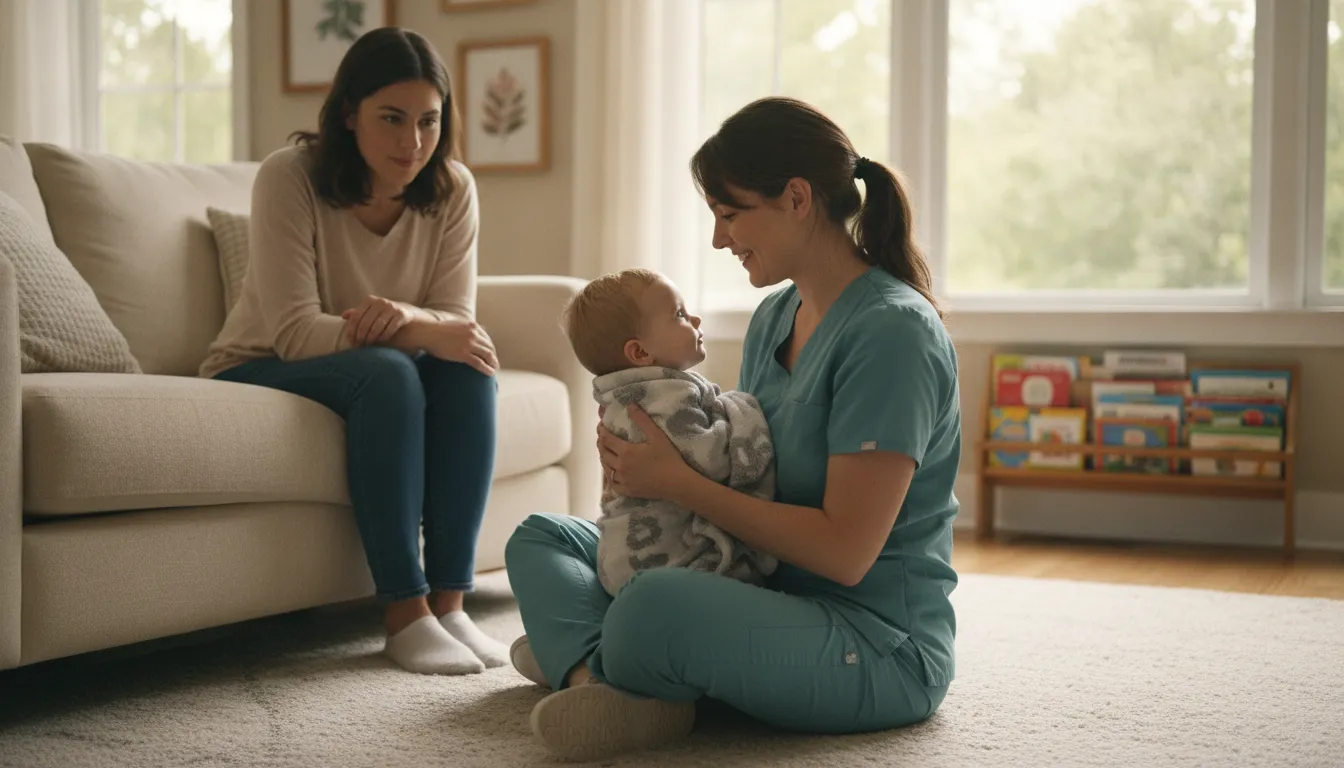
When a medically fragile child needs skilled care at home, families in Statesboro and Bulloch County need more than a list of names. They need a clear path through Georgia Medicaid and the Georgia Pediatric Program (GAPP), plus clinical guidance that fits daily family life.
For families exploring pediatric home health care statesboro ga gapp, GAPP may provide medically necessary in-home skilled nursing for children under 21 with high-acuity medical needs and Georgia Medicaid. Services can support complex care while the child remains at home, but eligibility and authorized services depend on medical necessity and program approval. Learn more in this Georgia pediatric home health care guide.
Contact a Statesboro Care Coordinator
Care becomes more manageable when an experienced RN helps coordinate the clinical details, communicates with the child’s healthcare team, and develops a plan around the child’s condition. That foundation matters as families evaluate GAPP pediatric home nursing across Statesboro and Bulloch County.
GAPP Pediatric Home Nursing in Statesboro and Bulloch County
For families in Statesboro and throughout Bulloch County, the Georgia Pediatric Program (GAPP) can help make medically necessary skilled nursing care part of a child’s home routine. GAPP provides in-home skilled nursing for children under 21 with high-acuity medical needs, including children whose conditions require substantial support but do not require inpatient hospital care. The Georgia Medicaid program describes the program in its GAPP program guidance, while the Georgia Department of Community Health summarizes its goals in the GAPP fact sheet.
That distinction matters. Private duty nursing is designed for medically fragile children who need more consistent support than typical intermittent home health visits. Depending on the child’s assessed medical needs and approved plan, skilled care may address respiratory support, tracheostomy care, tube feeding, complex medication management, and other clinical tasks. GAPP home nursing can help a child remain safely with family and participate in daily life at home and in the community. Rather than requiring care in an institutional setting.
What GAPP nursing looks like at home
Care begins with the child’s actual condition, not a one-size-fits-all schedule. Nursing support may include monitoring changes in health status, carrying out physician-directed interventions, and communicating important observations to the broader healthcare team. Parents and guardians remain essential participants in planning and decision-making. Pediatric nurses can also provide education and practical training so caregivers understand how to manage daily needs safely between nursing visits.
Greater Living Home Care serves this population as a private duty skilled nursing agency, not as a staffing or placement company. Its RNs coordinate care, help develop a Case Model of Care plan, and provide clinical oversight for the services delivered in the home. That structure gives families a clinical point of contact who can help connect the child’s daily nursing needs with the approved plan and healthcare team.
Serving families across Statesboro and Bulloch County
Families do not need to live in a major metro area to seek qualified pediatric home nursing. A Statesboro care plan should account for the child’s home environment, medical routines, caregiver needs, and communication with local providers. Greater Living’s pediatric focus supports families managing complex conditions while keeping care centered in the home. To understand how this local service fits into the broader care model, visit the Georgia pediatric home health care guide.
GAPP participation and nursing authorization depend on Georgia Medicaid requirements, medical necessity, and program confirmation. A provider can help a family understand the next steps, but no agency should promise eligibility before the child’s circumstances and documentation are reviewed. For Statesboro families exploring care, the practical starting point is a conversation about the child’s diagnosis. Current skilled needs, and the support required to maintain a safe home routine.
Who We Serve in Southeast Georgia
Greater Living Home Care serves parents, guardians, and caregivers of medically fragile or physically disabled children under age 21 throughout Statesboro and Southeast Georgia. Many of these children need skilled support for complex conditions, such as respiratory needs, tracheostomy care, tube feeding, frequent suctioning, neurological conditions, or complex medication routines. The level of care depends on each child’s assessed medical needs and care plan, not on a one-size-fits-all schedule.
Families typically begin by confirming that their child has Georgia Medicaid and may meet the medical-necessity requirements for the Georgia Pediatric Program (GAPP). GAPP is designed to support eligible children with high-acuity needs through medically necessary in-home skilled nursing. Eligibility must be confirmed through the appropriate Medicaid and GAPP process. A qualified provider can help the family understand the next steps without promising approval before the required review is complete.
Care for the child and support for the family
Complex pediatric care affects the entire household. Parents and guardians may coordinate appointments, medications, equipment, school needs, therapies, and daily clinical routines while also caring for other children and managing work or household responsibilities. In-home nursing can reduce the burden placed on family caregivers and help a child receive skilled support in a familiar environment.
That support should include the family in care planning. Family-centered care makes parents and guardians integral participants in decisions about daily routines, safety concerns, communication, and the child’s changing needs. The goal is not to remove the family from care. It is to give caregivers clearer guidance, practical support, and a coordinated clinical plan they can understand and use at home.
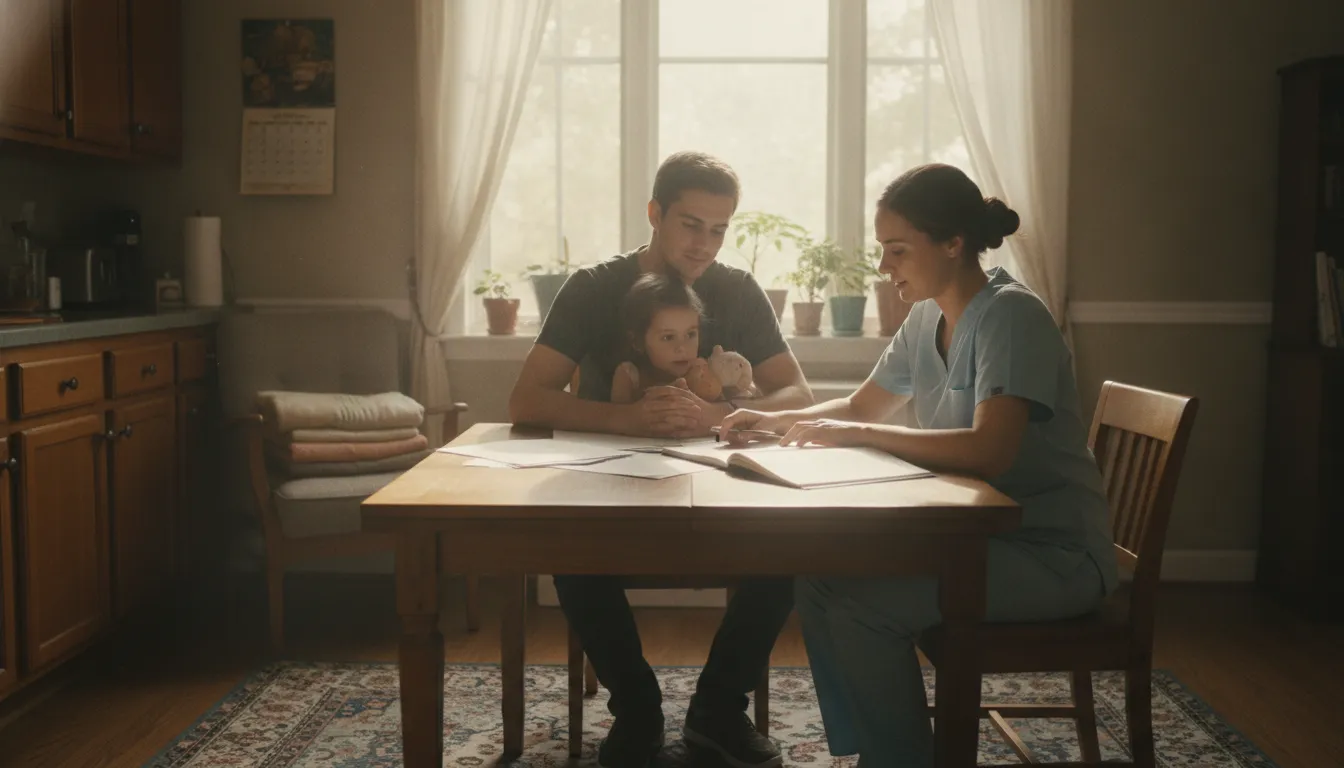
Specialized pediatric training and parent education
Pediatric nursing requires training beyond general nursing because children with chronic illness or high-acuity needs may have different clinical, developmental, and communication requirements. Nurses serving these families must understand the child’s condition, recognize changes in status, and perform skilled tasks according to the child’s established plan of care.
Parent education is another important part of the relationship. Pediatric nurses can teach and reinforce safe techniques for daily care. Help caregivers recognize changes that should be reported, and explain how nursing routines fit with the child’s broader treatment plan. Education should be practical and respectful of the family’s experience. Parents know their child best, while the clinical team contributes specialized assessment and nursing knowledge.
RN-led coordination across Southeast Georgia
Greater Living Home Care’s RNs lead care coordination for children who need high-acuity support. They help organize assessments, communicate with the child’s healthcare team, and develop a Case Model of Care plan that reflects the child’s clinical requirements. Regular review allows the plan to change as the child’s health status, treatments, or daily needs change.
For families comparing pediatric skilled nursing care, the distinction matters. Greater Living Home Care is a private duty skilled nursing agency, not a placement or staffing agency. The agency’s RNs provide clinical oversight and coordinate care rather than simply matching a family with an independent nurse.
Families in and around Statesboro can also review guidance about pediatric home health care near Statesboro when considering regional service options. Whether a child lives in Statesboro, Bulloch County, or another Southeast Georgia community. The first step is a careful conversation about medical needs, Medicaid status, family priorities, and the GAPP process.
Pediatric Home Health Care Statesboro GA GAPP Eligibility
Families in Statesboro generally begin with three questions: Is the child under 21. Does the child have Georgia Medicaid, and does the child need medically necessary skilled nursing at home? The Georgia Pediatric Program (GAPP) serves children under 21 with high-acuity medical needs who require in-home skilled nursing but do not need inpatient hospital care. Meeting these starting points does not guarantee approval. Georgia Medicaid and the program’s clinical review determine eligibility, covered services, and authorized hours.
The state’s GAPP program guidance describes medically necessary in-home skilled nursing for children with complex conditions. For a Statesboro family, the relevant question is not simply whether a diagnosis exists. Reviewers consider how the child’s condition affects daily health and safety, what skilled interventions are required, and whether those needs can be managed safely in the home. A qualified provider can help the family organize the clinical information without promising that the program will approve a request.
What documentation supports a GAPP request?
Medical necessity must be supported with current documentation from the child’s healthcare team. This may include the diagnosis, functional limitations, treatment history, physician orders, and a clear description of the skilled tasks the child needs. The DMA-6(A) instructions explain how the pediatric care form is completed. Families should ask the child’s physician and care team to provide complete, consistent information that reflects the child’s present condition rather than relying on a general diagnosis label.
Documentation should make the daily care needs understandable. Depending on the child’s condition, skilled care may involve respiratory support, tube feeding, frequent suctioning, or complex medication management. The goal is to show why trained nursing intervention is necessary and how it supports safe care at home. Greater Living Home Care’s RNs can coordinate with the family and the child’s broader healthcare team. Then help develop a Case Model of Care plan that reflects the approved clinical needs.
How do GAPP and self-directed options fit together?
Georgia Medicaid waiver programs, including GAPP, can provide pathways for eligible children with severe disabilities. Some families may also qualify for self-directed care options, which can give them more control over aspects of nursing management. The Georgia Medicaid waiver program information explains that these options still depend on program rules, assessment, and authorization. Self-direction does not remove the need to document medical necessity or follow the child’s approved plan.
Families can review the broader pediatric home health care guidance for Georgia families and learn more about the GAPP services Greater Living Home Care provides. The next practical step is to confirm Medicaid status, gather clinical records. And speak with a qualified provider about the appropriate application path for a child living in Statesboro. Eligibility must be confirmed through Georgia Medicaid and the applicable GAPP review process.
How to Apply for GAPP in Statesboro
Applying for GAPP nursing in Statesboro is a coordinated process, not a single form. The goal is to document your child’s medical needs clearly, confirm program requirements, and connect the family with an agency that can deliver safe care at home. These steps can help a parent or guardian organize the process while recognizing that Georgia Medicaid makes the final eligibility and service decisions.
- Confirm Georgia Medicaid eligibility. Start by verifying that your child has active Georgia Medicaid coverage or determining whether the family should apply. GAPP is part of Georgia Medicaid’s waiver-program structure, and children must meet program and medical criteria before services can begin. The state’s Georgia Medicaid waiver programs information provides official context about waiver services and may help you identify the appropriate next questions. A qualified GAPP provider can also help you understand what information to gather, but provider guidance does not replace an eligibility determination by the state.
- Gather current medical documentation. Collect diagnoses, treatment records, medication lists, hospital or specialist summaries, and the child’s recent care instructions. Ask the treating physician or another appropriate clinical professional to complete the required medical documentation, including the Pediatric Care Form DMA-6(A) when requested. The official DMA-6(A) instructions explain how the form supports review of the child’s condition and care needs. Clear, current records help reviewers understand why skilled nursing is medically necessary and what support the child requires each day.
- Obtain a care plan and Model of Care. Work with the child’s medical team and the selected care professionals to describe the tasks, monitoring, clinical risks, schedule, and caregiver education the child needs. For a medically fragile child, the plan should reflect real routines at home. Such as respiratory support, tube feeding, or complex medication management when those services are clinically prescribed. A thorough Model of Care gives nurses and family members a shared framework. It should be reviewed when the child’s health status or treatment plan changes.
- Choose a licensed GAPP provider. Compare qualified agencies serving Statesboro and surrounding Bulloch County. Ask how the agency handles clinical oversight, nurse supervision, care coordination, scheduling, caregiver communication, and collaboration with the pediatrician. Greater Living Home Care provides Georgia Pediatric Program services with RN-led coordination and a family-centered approach. Confirm that the agency understands your child’s needs and can support the approved service plan before making a selection.
- Begin in-home pediatric nursing after approval. Once Georgia Medicaid and GAPP requirements are satisfied and services are authorized, the provider can coordinate the start of care. The agency’s nurses should review the Model of Care, communicate with the child’s healthcare team, and provide the approved skilled interventions in the home. Parents and guardians remain important members of the care team. Ask questions, share changes in your child’s condition, and request education so daily care can be managed safely and consistently.
Because each child’s circumstances differ, a Statesboro family should confirm the current application requirements and authorization steps with Georgia Medicaid and its chosen GAPP provider. Keeping records together and responding promptly to requests can make the process easier to navigate.
Why Statesboro Families Choose Greater Living
Families caring for a medically fragile child need more than a schedule of nursing visits. They need a clinical partner who understands the child’s condition, communicates with the healthcare team, and keeps the plan of care connected to what happens at home. Greater Living Home Care provides private duty pediatric skilled nursing, with Registered Nurses on staff who coordinate care and oversee the services delivered to each child.
That distinction matters when care involves respiratory support, tube feeding, complex medication management, or other skilled tasks. These services require careful attention to the child’s changing condition and consistent communication with parents, guardians, and providers. Greater Living’s RN-led model gives the family a defined clinical point of accountability instead of leaving coordination to the family alone.
Clinical oversight that follows the child
Greater Living’s RNs develop and manage a Case Model of Care plan based on the child’s assessed needs. The plan can be updated as the child’s health status changes, helping nurses and caregivers work from current clinical guidance rather than an outdated checklist. Regular assessments help identify changes early, while ongoing communication with the broader healthcare team keeps in-home nursing aligned with the child’s treatment requirements.
This approach also supports parents and guardians as active members of the care team. Pediatric nurses can explain daily care tasks, reinforce safe routines, and provide education that helps caregivers respond with greater confidence. The goal is not to replace the family role. It is to give the family clinical support and a clearer structure for managing complex care at home.
| Care consideration | Greater Living, RN-led private duty skilled nursing agency | Placement or staffing agency match |
|---|---|---|
| Care coordination | Staff RNs coordinate the child’s services, communicate with caregivers and providers, and connect daily nursing work to the care plan. | The agency primarily matches a family with an available independent or contracted caregiver; the family may carry more of the coordination responsibility. |
| Clinical oversight | Staff RNs provide clinical oversight, perform regular assessments, and monitor whether care continues to fit the child’s needs. | Oversight may focus on staffing logistics rather than ongoing RN-led review of the child’s clinical needs. |
| Model of Care accountability | Greater Living develops and maintains a Case Model of Care plan that guides skilled nursing and can be updated as the child’s condition changes. | Responsibility for translating the child’s clinical needs into an accountable, maintained care plan may remain with the family or outside providers. |
For Statesboro families exploring GAPP pediatric skilled nursing, the provider relationship should be evaluated as carefully as the staffing arrangement. Georgia Medicaid and GAPP requirements still determine eligibility and authorized services, but the right agency can make the care process more coordinated and understandable. Greater Living’s focus is high-acuity pediatric care in the home, with clinical oversight that supports the child, the caregivers, and the larger care team.
Contact a Statesboro Care Coordinator
Choosing in-home nursing for a medically fragile child can raise practical and emotional questions. A conversation with a Greater Living Home Care care coordinator gives your family a place to describe your child’s needs. Understand the GAPP enrollment path, and identify the information needed for the next step. Families in Statesboro, Bulloch County, and surrounding East Georgia communities can begin by contacting our team or calling (912) 446-5838.
During the initial call, a coordinator will listen to your child’s diagnosis, daily routines, current treatments, and level of supervision. You can explain whether your child needs support with respiratory care, tube feeding, medication management, frequent monitoring, or other skilled tasks. This discussion is not a promise of GAPP approval. Eligibility and authorized services depend on Georgia Medicaid requirements, medical necessity, and the appropriate clinical review.
What to Expect During the Eligibility Review
The coordinator can help organize the questions that matter for a GAPP referral. That may include whether your child is under 21, has Georgia Medicaid, and needs skilled nursing in the home rather than inpatient care. The team can also discuss clinical documentation, physician involvement, and forms that may support a medical-necessity review. Families who want more background can review the Georgia Pediatric Program service information before or after the call.
Bring any details you already have, such as a current care plan, discharge information, medication list, nursing notes, or contact information for your child’s pediatrician and specialists. You do not need to have every answer ready before reaching out. Sharing what you know helps the coordinator explain which records may be relevant and what the family should confirm with Georgia Medicaid or the child’s healthcare providers.
Planning Care Around Your Child and Family
If the referral moves forward, Greater Living Home Care’s RNs review the child’s clinical requirements and coordinate with the broader healthcare team. They develop a personalized Model of Care plan that connects authorized services with the child’s day-to-day safety needs. Regular assessments help identify changes in health status, while communication with parents and providers keeps the plan aligned with the child’s treatment requirements.
This RN-led approach gives Statesboro families more than a list of potential caregivers. Greater Living Home Care is a private duty skilled nursing provider with clinical oversight built into the care process. Pediatric nurses can provide specialized monitoring and teach parents practical skills for managing daily care safely at home. That education supports the family caregiver without placing the entire clinical responsibility on one person.
For families across East Georgia, the goal is a clear, respectful next step. Whether you are beginning to investigate GAPP, preparing documentation, or seeking more consistent support after coverage is confirmed, a care coordinator can help you understand the process. Contact Greater Living Home Care to speak with a Statesboro care coordinator, or call (912) 446-5838 to discuss your child’s needs.
Frequently Asked Questions
What is the Georgia Pediatric Program (GAPP)?
GAPP is a Georgia Medicaid program that provides medically necessary in-home skilled nursing for eligible children under 21 with high-acuity medical needs. Services are shaped around the child’s clinical condition and care requirements. Georgia Medicaid explains the GAPP program here.
How do I qualify for pediatric home health care in Statesboro, GA?
Your child generally must be under 21, enrolled in Georgia Medicaid, and meet program requirements for medical necessity and high-acuity care. A physician or qualified medical professional must document the child’s needs, often through the DMA-6(A) pediatric care form. Eligibility must be confirmed through the appropriate Medicaid and GAPP process, not assumed based on diagnosis alone.
What nursing services are covered under GAPP in Georgia?
Care may include private duty nursing for complex needs such as respiratory support, tracheostomy care, tube feeding, seizure monitoring, and complex medication management. The specific services and hours depend on the child’s approved plan and medical necessity. A nurse-led assessment helps clarify which interventions fit the child’s needs.
Does GAPP provide private duty nursing in Statesboro?
Yes. GAPP can support private duty pediatric skilled nursing in Statesboro when a child meets program requirements and the care is approved. Greater Living Home Care’s staff RNs coordinate care, develop a Model of Care plan, and provide clinical oversight rather than simply matching a family with an independent nurse.
Can I direct the nursing care for my child under GAPP?
Some Georgia Medicaid waiver programs include self-directed options that give families a greater role in coordinating care. The available option, responsibilities, and clinical safeguards depend on the child’s approved program and plan. Ask your care coordinator or GAPP provider which choices apply to your family.
Contact us to begin GAPP home nursing in Statesboro
Every family deserves a clear next step when arranging skilled nursing support at home. Greater Living Home Care can help you discuss your child’s needs, understand the GAPP process, and identify the information needed to move forward without making assumptions about eligibility. Contact Greater Living Home Care to speak with a Statesboro care coordinator and get started. You can also call (912) 446-5838 with questions about beginning care for your child.
