Pediatric Home Health Care Valdosta GA: GAPP Nursing
When a child needs skilled nursing at home, families in Valdosta often need more than a list of agencies. They need a clear path through Georgia Medicaid, GAPP requirements, and care planning that reflects the child’s medical needs. Call us today at (912) 446-5838 to speak with a Valdosta care coordinator about your next step.
For families researching pediatric home health care valdosta ga, GAPP may provide medically necessary skilled nursing and personal care support for eligible children under 21. Eligibility depends on Georgia Medicaid enrollment, medical criteria, nursing home level-of-care approval, and current physician-ordered services. A Medicaid-approved GAPP nursing agency must request prior authorization before services begin.
Greater Living Home Care provides RN-led coordination and clinical oversight for families across South Georgia. Our pediatric home health care Georgia guide explains the broader program, while the sections below focus on how GAPP nursing can fit a Valdosta family’s care plan.
GAPP Pediatric Home Health Care for Valdosta, GA Families
The Georgia Pediatric Program (GAPP) provides medically necessary skilled nursing care and personal care support for eligible children under 21. For families comparing pediatric home health care in Valdosta, GA, the right service pattern depends on the child’s physician-ordered needs, clinical complexity, and approved care plan. Greater Living Home Care’s RNs coordinate care and develop a Case Model of Care plan rather than simply matching a family with an independent caregiver.
GAPP can support care in the child’s home through several service arrangements. The Georgia Department of Community Health describes GAPP’s covered scope in its official fact sheet. Families can also review the broader pediatric home health care Georgia service model before discussing a Valdosta care plan.
| Service | What it may provide | When it may fit |
|---|---|---|
| Private duty nursing | One-on-one skilled nursing in the home, with care matched to the child’s physician-ordered needs. | Children who need consistent clinical attention for complex or high-acuity conditions. |
| Intermittent skilled visits | Focused nursing visits for specific skilled tasks, assessments, or changes in the care plan. | Families whose child needs skilled clinical support at defined intervals rather than continuous coverage. |
| Personal care support | Assistance with approved daily care needs under the applicable program plan. | Children whose authorized plan includes personal care support in addition to, or instead of, skilled nursing. |
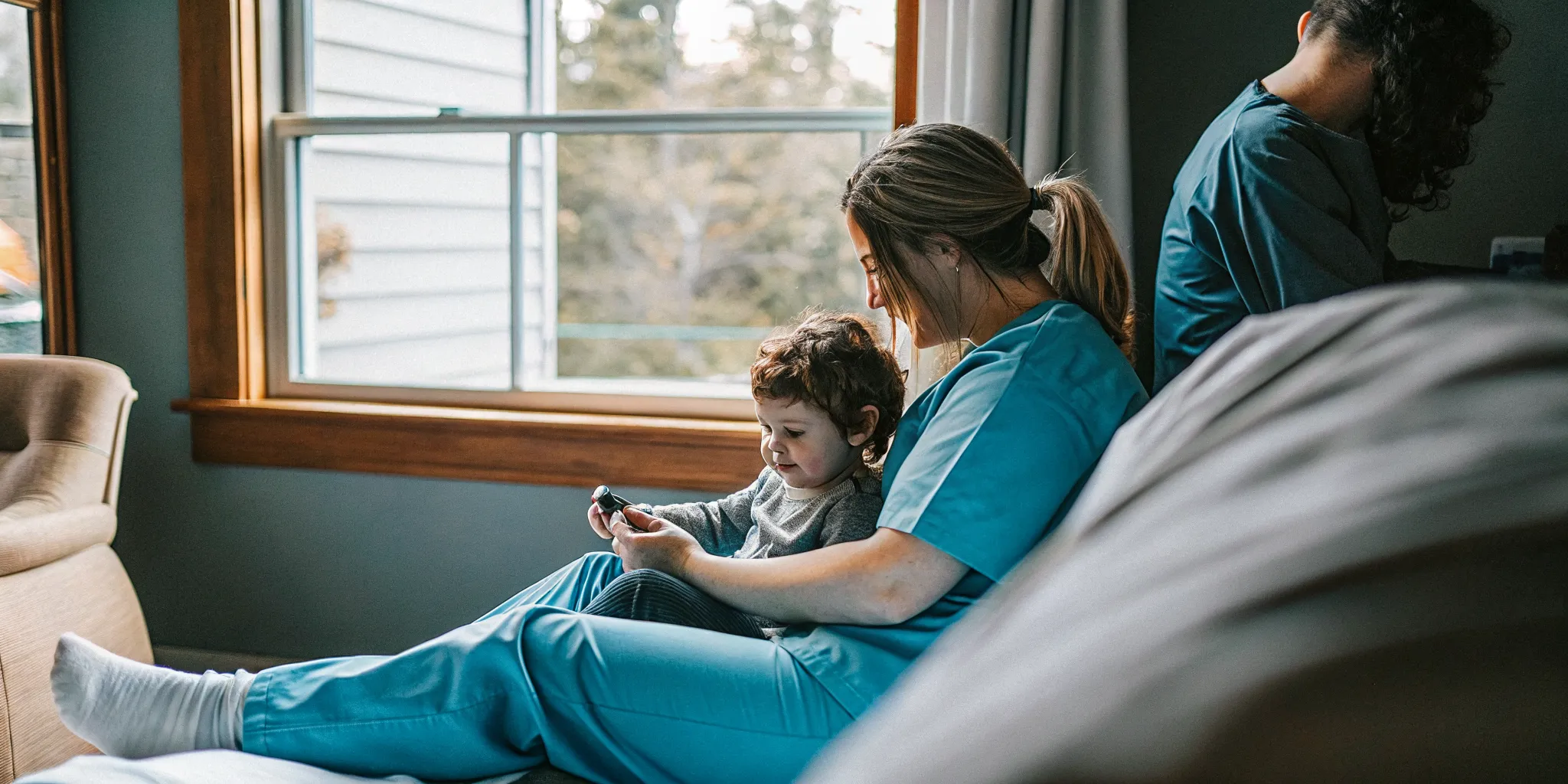
Greater Living can organize care from a one-hour minimum through 24/7 continuous coverage, based on the authorized plan and the child’s needs. Clinical staffing may include RNs, LPNs, CNAs, and PCAs, with assignments guided by the level of care required. This structure helps families distinguish skilled nursing from personal care when planning services.
GAPP services require prior authorization through a Medicaid-approved GAPP nursing agency. A care coordinator can explain which records, physician orders, and program details are needed before services begin, without promising approval before Georgia Medicaid confirms eligibility.
Who We Serve in Lowndes County and South Georgia
Families in Valdosta and throughout Lowndes County often seek pediatric nursing at home when a child has complex medical needs that require more than routine supervision. Greater Living Home Care serves families across South Georgia with an RN-led private duty model. Our RNs coordinate care, develop individualized Model of Care plans, and provide clinical oversight rather than simply matching a family with an independent caregiver.
Children with medically complex needs
GAPP is designed for eligible children under 21 who need medically necessary skilled nursing or personal care support. Georgia Medicaid and GAPP confirmation are essential before a family can determine whether the program fits a child’s situation. State guidance identifies Medicaid enrollment, age under 21, respirator or oxygen dependence, and approval for a nursing home level of care among the program’s eligibility conditions. Families can review the Georgia Medicaid GAPP eligibility requirements and discuss their child’s physician-ordered needs with a qualified agency.
Life-sustaining care at home
For some children, skilled support at home helps families pursue care in a familiar environment while maintaining a coordinated clinical plan. Georgia Medicaid waiver programs are intended to help eligible people with disabilities live in their homes or communities instead of institutions such as nursing homes. The appropriate services depend on the child’s assessed needs, orders, program status, and authorization. Greater Living’s team can help families understand the nursing structure being considered, including intermittent skilled visits, private duty nursing, and longer periods of in-home support when authorized.
When a child needs extensive coverage, families may also explore around-the-clock nursing for medically complex children. The care plan should reflect the child’s clinical needs and the services approved through Georgia Medicaid, not an assumed level of coverage.
Families navigating GAPP paperwork
GAPP enrollment can involve Medicaid documentation, clinical records, physician orders, assessments, and prior authorization. Families in Valdosta and neighboring South Georgia communities benefit from having one clinical point of contact who can explain which information is needed and how the care plan connects to the child’s needs. An RN-led agency can also coordinate with the family and medical team as the application and authorization process moves forward.
Greater Living Home Care does not promise eligibility before the required review. Instead, the team helps families identify the next appropriate step, confirm current Medicaid and GAPP status, and build a care plan grounded in documented clinical needs. That approach keeps support practical, local, and centered on the child and family.
How to Apply for GAPP Home Nursing in Valdosta
Applying for GAPP home nursing is a coordinated clinical and authorization process. Families in Valdosta can begin by organizing the child’s current records. Confirming the services ordered by the physician, and speaking with a care coordinator who understands Georgia Medicaid requirements. Approval depends on the child’s eligibility and the Medicaid/GAPP determination. No agency can guarantee approval.
These steps can help your family understand what happens next and what information may be needed.
-
Confirm Medicaid eligibility and current physician orders
Start by confirming that your child has active Georgia Medicaid coverage and reviewing the child’s current medical orders. GAPP eligibility includes several program requirements, including Medicaid enrollment, being under age 21, respirator or oxygen dependence, and approval for a nursing home level of care. The Georgia Department of Community Health also explains that eligible members should currently be receiving physician-ordered services for consideration under the program. These requirements are reviewed by the appropriate program and payer, so gathering updated orders and clinical records early can make the next conversation more productive. Read our pediatric home health care Georgia guide for broader program context.
-
Contact the Valdosta care coordination team
Reach out to Greater Living Home Care and describe your child’s diagnoses, daily care needs, current physician orders, Medicaid status, and preferred service location. A care coordinator can listen to the family’s priorities, explain the information needed for review, and identify the appropriate next step. This conversation is not a promise of eligibility or service approval. It is a clinical intake designed to determine whether the request should move forward for formal consideration.
-
Let the agency prepare the request
When the available information supports a potential GAPP request, the agency organizes the relevant clinical documentation and prepares the submission. That may include physician orders and records that describe the child’s functional limitations, skilled nursing needs, and level of care. Accurate, current documentation helps the reviewers understand why in-home support is being requested. Families should promptly share any updated orders or changes in the child’s condition so the request reflects the current situation.
-
Submit for prior authorization through an approved GAPP agency
All GAPP services require prior authorization through a Medicaid-approved GAPP nursing agency, according to the Georgia Pediatric Program fact sheet. Greater Living Home Care coordinates this agency-side process so the family does not navigate every submission step alone. Prior authorization must be granted before approved services begin, and requested care must stay consistent with program rules and the child’s documented needs.
-
Allow DCH and the payer to review the request
The Georgia Department of Community Health and the applicable payer review the request and supporting documentation. They determine whether the child meets program criteria and whether the requested services receive authorization. Review timelines and outcomes can vary. If additional information is requested, responding with complete, current records can help keep the review moving. The final decision belongs to Medicaid and the GAPP authorization process, not to the agency or care coordinator.
-
Develop the Model of Care plan after approval
If the request is approved, a Greater Living care coordinator works with the family and clinical team to develop the child’s Model of Care plan. The plan connects authorized services with the child’s documented needs, routines, safety considerations, and goals for care at home. RNs provide clinical oversight and help coordinate care so the family understands how the approved plan will be implemented. Services remain subject to the authorization and ongoing program requirements.
Starting with accurate eligibility information and current physician orders gives the care coordination team a clear foundation. For a Valdosta family, the next step is a conversation that explains the process without promising an outcome Medicaid and GAPP must determine.
Why South Georgia Families Trust Greater Living
Families caring for medically fragile or physically disabled children need more than a schedule of visits. They need a clinical team that understands the child’s needs, communicates clearly, and coordinates care around the family. Greater Living Home Care is a private duty pediatric skilled nursing agency, not a placement or staffing service. Its RNs remain involved in the clinical planning and oversight that guide in-home care.
RN-led clinical oversight
Greater Living’s RNs handle care coordination, develop each child’s Case Model of Care plan, and provide clinical oversight. That structure keeps nursing decisions connected to the child’s physician orders, daily needs, and approved care plan. It also gives parents and guardians a clear clinical point of contact when questions arise about care at home.
The approach reflects a documented challenge in pediatric home care: research in Health Affairs describes workforce gaps and policy questions that shape in-home care for children with medical complexity. Read the research on pediatric home health care and children with medical complexity.
A coordinated path through GAPP
Greater Living reports a 95% GAPP approval success rate based on its experience helping families navigate the application process. This figure is not a promise of approval, and eligibility still depends on Georgia Medicaid requirements, medical documentation, and program confirmation. The Georgia Pediatric Program serves eligible children under 21 who need medically necessary skilled nursing or personal care support. Families should confirm their child’s eligibility and current physician-ordered services before beginning care.
When a family pursues pediatric home health care in Valdosta, GA, RN-led case management can make the administrative and clinical steps easier to understand. The agency can help organize the information needed for a GAPP request while keeping the child’s care needs at the center of the conversation.
A tiered team matched to the care plan
Greater Living uses a tiered clinical staff structure that includes RNs, LPNs, CNAs, and PCAs. Each role contributes within its training, responsibilities, and the child’s approved Model of Care. This team approach can support care ranging from a one-hour minimum to continuous coverage, including 24/7 care when the authorized plan calls for it. The right level of support depends on the child’s needs, physician orders, program approval, and family circumstances.
For South Georgia families, trust grows from consistent communication, clinical accountability, and a care plan that recognizes the whole household. Greater Living’s goal is to provide skilled support in the home while helping parents and guardians make informed decisions about their child’s Georgia Medicaid and GAPP services.
Contact a Valdosta Care Coordinator
Families can begin a GAPP enrollment conversation before or during the eligibility process. Call us today at (912) 446-5838 to discuss your child’s needs with a Greater Living Home Care coordinator. Starting early can help you understand which records, physician orders, and program details may be needed as you explore pediatric care at home.
GAPP provides medically necessary skilled nursing care and personal care support for eligible children under 21. Eligibility and authorization depend on Georgia Medicaid and program requirements, so a conversation with a coordinator is an opportunity to review your situation, not a promise of approval. The official Georgia Pediatric Program fact sheet explains the program and its requirements.
A review centered on your child’s care plan
A care coordinator will ask about your child’s diagnoses, daily routines, current supports, and the level of clinical attention needed in the home. The coordinator can also review physician-ordered services and explain how those orders fit into the GAPP process. Current physician-ordered services are an important part of determining whether a child may be considered for the program.
Greater Living Home Care’s RNs handle care coordination, develop the Case Model of Care plan, and provide clinical oversight. This RN-led approach gives families one clinical point of contact while the agency evaluates the information needed to plan safe, individualized support. If your child is already receiving services, bring recent orders or care documentation to the conversation when possible.
What happens after you reach out
After the initial call, the coordinator can explain the next steps, identify missing information, and help clarify how prior authorization and nursing services fit together. GAPP services require prior authorization through a Medicaid-approved GAPP nursing agency, and the child’s eligibility must be confirmed through the appropriate process. Families in Valdosta and surrounding South Georgia communities can use the contact page to request more information or speak with the team.
Contact Greater Living Home Care at (912) 446-5838 to start your Valdosta GAPP care conversation today.
Frequently Asked Questions
Are pediatric home health services available in Valdosta, GA?
Families in Valdosta and Lowndes County can contact a Medicaid-approved GAPP nursing agency to discuss in-home skilled nursing and personal care for an eligible child. Service plans depend on the child’s medical needs, physician orders, and Georgia Medicaid approval.
What does a pediatric home health nurse do?
A pediatric home health nurse provides skilled care in the child’s home, follows the physician’s orders, monitors changes in condition, and communicates with the family and care team. Greater Living Home Care RNs also coordinate care and develop a Model of Care plan for each client.
Who may qualify for GAPP nursing in Georgia?
GAPP eligibility generally requires that a child is under 21, enrolled in Georgia Medicaid, dependent on a respirator or oxygen, and approved for a nursing-home level of care. A current physician order and prior authorization are also required. The Georgia Department of Community Health fact sheet provides the program’s eligibility guidance.
How do I start the GAPP application process in Valdosta?
Begin by gathering the child’s Medicaid information and current medical orders, then speak with a Medicaid-approved GAPP nursing agency. The agency can help organize clinical documentation and submit the request for prior authorization. Approval must come through Georgia Medicaid before covered services begin.
What is the difference between a pediatric home health aide and a nurse?
A nurse provides clinical services that require nursing judgment, while an aide or personal care worker supports approved daily care activities within the child’s plan. The appropriate care level depends on the child’s assessed needs and authorized services, so families should discuss the plan with a qualified care coordinator.
Ready to Discuss GAPP Nursing in Valdosta?
Understanding your child’s care needs and Georgia Medicaid program requirements can make the next step clearer. Greater Living Home Care can help you identify questions to raise with your child’s care team and explain how the inquiry process works. Call (912) 446-5838 or reach out through the contact page to speak with a Valdosta care coordinator.
