Pediatric Private Duty Nursing for Georgia Families
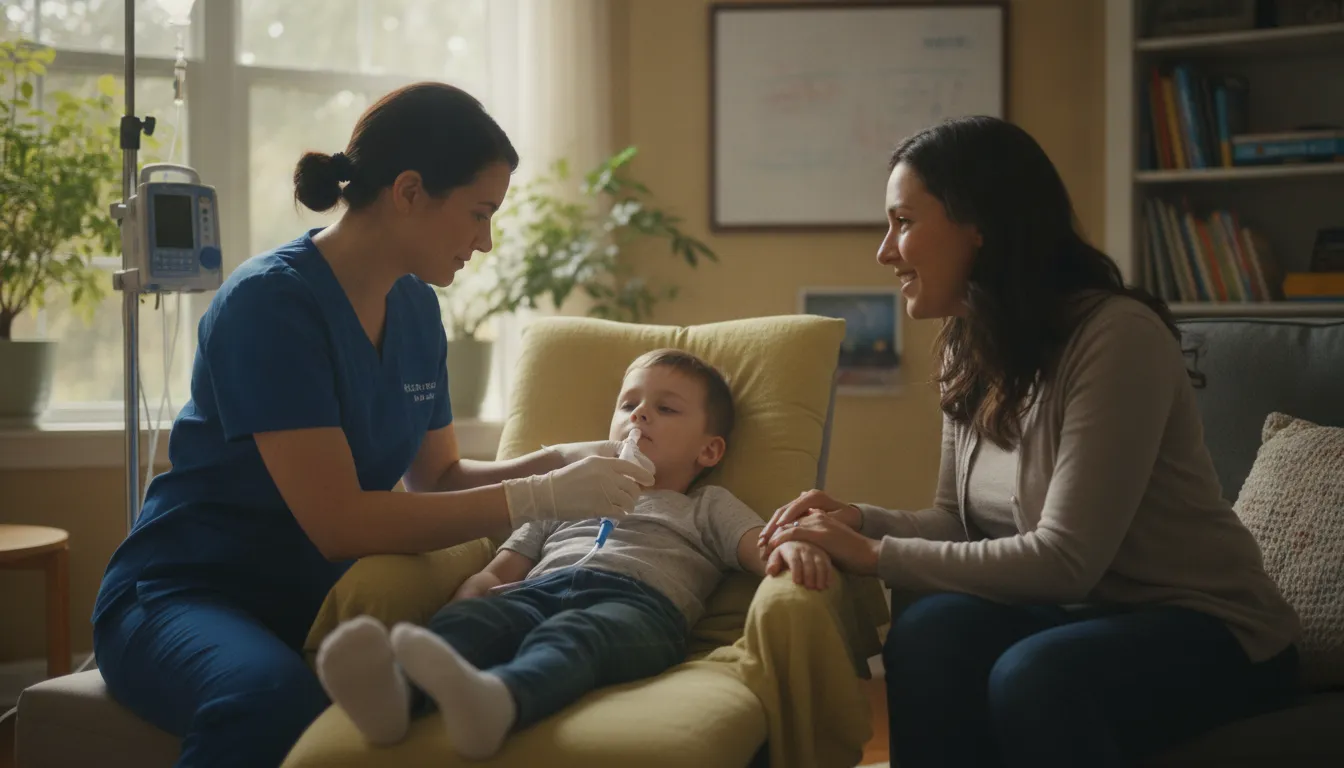
Families caring for a medically fragile child often need clear answers before they can plan the next step in pediatric private duty nursing. GAPP can help eligible Georgia children receive skilled nursing or personal care in the home, but approval depends on Medicaid status, age, medical necessity, and program review. For a care conversation, call us today at (912) 446-5838.
Pediatric private duty nursing provides individualized skilled nursing for eligible children with complex medical needs in their home. In Georgia, some children under 21 may receive support through Georgia Medicaid and GAPP, but approval depends on medical necessity and program review.
Contact Greater Living Home Care to discuss your child’s needs or call us at (912) 446-5838.
Understanding the program criteria can make conversations with a physician, discharge planner, or nursing agency more productive. Families can also review this guide to pediatric home health care Georgia as they consider what support may fit their child’s documented needs. The first step is knowing what GAPP covers and how skilled nursing differs from personal care support.
What Is Pediatric Private Duty Nursing?
Pediatric private duty nursing is skilled nursing delivered in a child’s home for a sustained period of authorized care, rather than a single short visit. An RN or LPN may provide clinician-ordered and authorized care under the approved plan, including clinical monitoring and response to changes. For eligible children in Georgia, services may be authorized through Georgia Medicaid and GAPP, but a diagnosis alone does not establish eligibility.
Private duty nursing differs from personal care support. Personal care focuses on authorized daily activities such as bathing, dressing, meals, and mobility. Private duty nursing addresses clinical tasks that require a licensed nurse’s training and judgment. Depending on the approved plan and the nurse’s scope of practice, tasks may include tracheostomy care and suctioning, oxygen or ventilator support, feeding-tube care, medication administration, wound care, or seizure monitoring.
It also differs from an intermittent skilled nursing visit. An intermittent visit addresses a defined assessment, treatment, or teaching task. Private duty nursing can provide sustained skilled attention during an authorized shift or schedule when a child needs ongoing monitoring or repeated interventions. The care plan sets the nursing tasks, precautions, documentation, and escalation steps. Services and hours depend on medical necessity and authorization, not a standard package or family preference.
| Support type | Primary focus | How it may fit |
|---|---|---|
| Private duty nursing | Skilled clinical care and monitoring | Supports clinician-ordered and authorized nursing tasks during home care. |
| Personal care support | Daily activities and routine assistance | Helps with authorized activities such as bathing, dressing, meals, or mobility. |
| Intermittent skilled nursing visit | Focused assessment, treatment, or teaching | Addresses a defined task during a scheduled visit rather than sustained shift care. |
What Does Pediatric Private Duty Nursing Look Like at Home?
Home-based nursing takes place where the child eats, sleeps, learns, and spends time with family. A nurse can observe equipment, routines, symptoms, and caregiver questions in the setting where care happens. Parents and guardians remain essential members of the team. Their observations help nurses recognize changes, communicate with medical providers, and follow the authorized plan consistently.
At Greater Living Home Care, RNs and clinical staff coordinate care and develop an individualized Model of Care plan rather than simply matching a family with an independent nurse. The plan can identify ordered tasks, precautions, documentation, and communication steps. Families considering care can ask which skilled services are being requested, what records or orders are needed, and how Georgia Medicaid and the GAPP program review determine eligibility and the services authorized.
What Does a Private Duty Pediatric Nurse Do at Home?
A private duty pediatric nurse provides skilled, individualized care in the child’s home. The nurse may monitor the child’s condition, perform ordered treatments, recognize changes, and communicate concerns to the family and clinical team. The goal is not simply to complete a checklist. Care follows the child’s physician orders, individualized care plan, nurse scope of practice, and approved authorization.
Respiratory and airway support
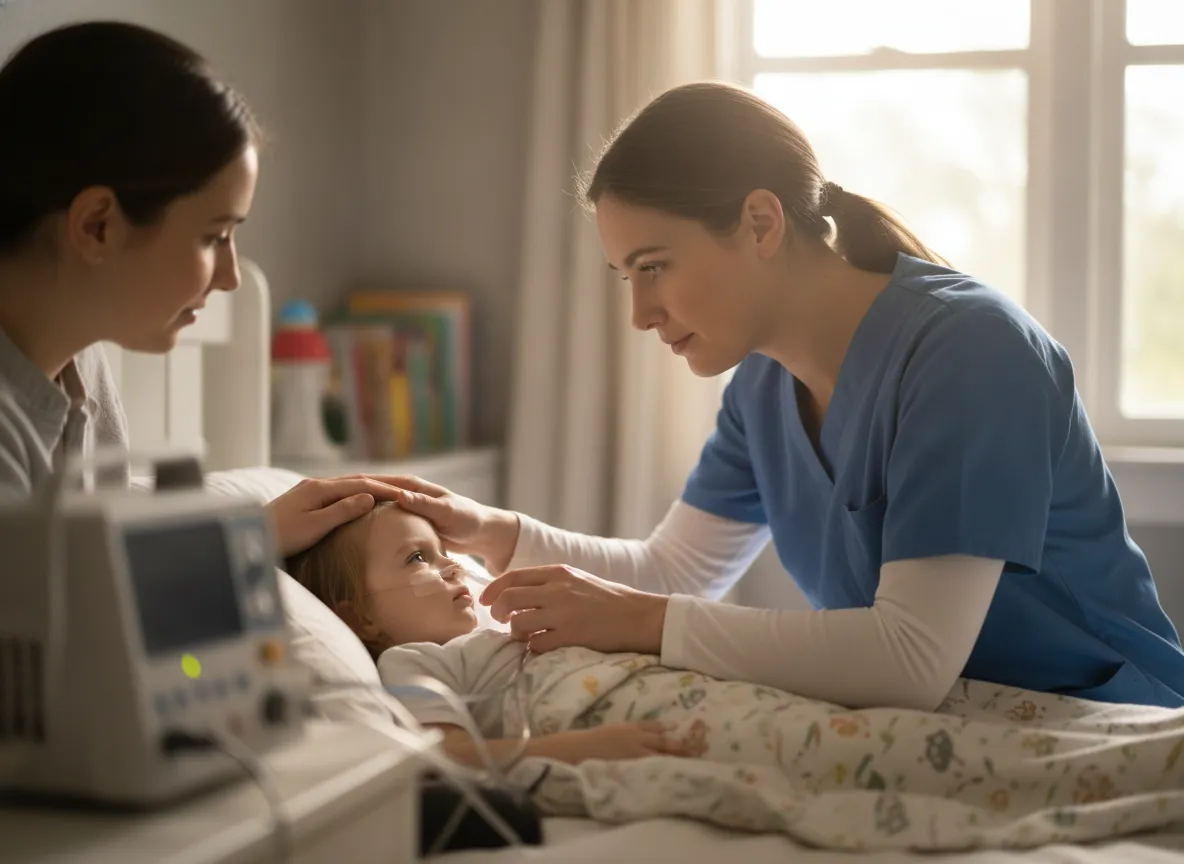
For a child with complex respiratory needs, nursing tasks may include tracheostomy care, suctioning, oxygen support, ventilator support, and nebulizer treatments when ordered. Suctioning helps clear secretions that could interfere with breathing. Tracheostomy and ventilator care require careful attention to the child’s equipment, airway status, and signs of distress. A nurse also documents observations and follows the escalation instructions in the care plan.
Nutrition, medications, and skin care
Some children need support with feeding tubes, including ordered enteral feedings and observation for problems such as intolerance or aspiration concerns. A nurse may administer medications according to the prescribed schedule, check for the expected response, and report concerning changes. Other clinical tasks can include wound care, dressing changes, infection-prevention practices, and monitoring skin integrity for children with limited mobility or complex medical needs.
Neurological monitoring and daily assessment
Seizure monitoring is another example of pediatric private duty nursing. The nurse can observe for changes, follow the child’s seizure action plan, administer authorized rescue medication when prescribed and within scope, and document what occurred. Depending on the child’s needs, the nurse may also monitor vital signs, medical equipment, pain, hydration, sleep, and other symptoms. These observations help the care team identify changes early and keep the family informed.
Every child’s service plan is different. The nurse may work alongside parents or guardians while supporting routines that matter to the child and family. Staffing and hours depend on medical necessity and authorization, not on a standard package. Families can learn more about the broader model of pediatric home health care in Georgia, including how skilled nursing and coordinated clinical support may fit together at home.
Greater Living Home Care’s role is direct clinical care and coordination, not simply matching a family with an independent nurse. RNs and other qualified staff help organize care around the child’s needs, document services, and maintain communication with the family and providers. The specific tasks remain guided by the child’s orders, care plan, authorization, and the assigned nurse’s qualifications.
How Does Pediatric Private Duty Nursing Connect to Georgia Medicaid and GAPP?
For many Georgia families, pediatric private duty nursing is connected to the Georgia Pediatric Program (GAPP), a Georgia Medicaid-funded program for eligible children who need skilled nursing or personal care support at home. GAPP connects documented medical needs with an individualized plan of care. A diagnosis alone does not prove eligibility. Families can review Georgia’s official GAPP program information, learn more about Georgia Pediatric Program skilled nursing services, and discuss their child’s circumstances with a qualified agency.
General eligibility considerations
GAPP generally serves children who are under age 21 and live in Georgia. The child typically must be enrolled in or eligible for Georgia Medicaid. There must also be a physical disability, medically fragile condition, or other medical circumstance that creates a need for medically necessary skilled nursing or personal care support. Examples may include complex respiratory needs, feeding-tube care, frequent suctioning, seizure monitoring, or other ongoing interventions identified by the child’s healthcare team.
These are general guardrails, not a determination that a particular child qualifies. A child may have a serious diagnosis and still need an individualized review of the actual level of care required. Conversely, a family may not recognize that daily medical tasks could warrant an assessment. The appropriate next step is to gather relevant clinical records and discuss the child’s functional and nursing needs with the care team and a GAPP provider.
Why medical necessity and authorization matter
Georgia Medicaid enrollment is one part of the process. Program reviewers also evaluate medical necessity, supporting documentation, and the services requested. GAPP administration and quality assurance fall under the Georgia Department of Community Health, while prior authorization and medical-necessity review involve the designated program process. The final decision about eligibility, service type, and approved hours comes through that review and authorization process.
Approved care is therefore based on the child’s documented needs and authorized plan, not simply on family preference or a standard number of hours. The plan may identify the nursing tasks, level of supervision, and schedule that fit the child’s condition. Parents and guardians should expect questions about current care needs, safety risks, physician recommendations, and how the condition affects daily life.
How a nursing agency supports the process
A pediatric nursing agency can help organize information, complete an initial needs assessment, coordinate with the family and healthcare professionals, and develop an individualized Model of Care plan. Greater Living Home Care’s RNs and clinical staff provide direct care coordination and ongoing oversight. They do not simply refer a family to an independent nurse. The agency can explain the next steps and support documentation, but Georgia Medicaid and GAPP reviewers determine eligibility and authorized services.
Who May Need Pediatric Private Duty Nursing?
Which children may need this level of support? Pediatric private duty nursing may be considered when a child has complex medical needs that require skilled nursing attention in the home. This is different from occasional help with routine activities. The need may be ongoing, related to recovery, or connected to a chronic condition that requires careful monitoring and clinical intervention.
Examples of needs that may prompt a family to ask about pediatric private duty nursing include:
- A tracheostomy that requires regular assessment and airway care.
- Oxygen dependence or ventilator support that requires monitoring and response to changes in breathing.
- Frequent suctioning to help maintain a clear airway.
- A feeding tube, nutritional support needs, or aspiration risk that requires skilled observation and prescribed care.
- Seizures that require monitoring, documentation, and response under the child’s medical plan.
- Multiple chronic conditions that interact and make daily care more medically complex.
These examples describe the kinds of high-acuity needs a pediatric nursing team may support. They do not establish eligibility by themselves. A diagnosis, medical device, or single symptom is not an automatic approval for services. The child’s overall condition, functional needs, required interventions, and level of medical necessity must be reviewed by the appropriate clinicians and program representatives.
How is the need evaluated?
For families exploring Georgia Medicaid and the Georgia Pediatric Program (GAPP), review generally considers whether the child is under age 21, lives in Georgia, has the required Medicaid status, and needs medically necessary skilled nursing or personal care support. Authorization depends on the program’s review and documentation. The Georgia Pediatric Program skilled nursing services page provides context, but it does not replace an official eligibility determination.
Families can bring questions to the child’s physician and a qualified pediatric home healthcare agency. A clinical team can listen to the child’s history, discuss the care tasks performed at home, and explain what information may be needed for assessment. Parents and guardians remain important partners in describing daily changes, safety concerns, equipment, medications, and the support the child needs across the day. The final decision about eligibility and authorized services belongs to the applicable Medicaid and GAPP review process.
How Does a Family Start Pediatric Private Duty Nursing?
Starting in-home nursing should give your family a clearer path forward, not add another layer of confusion. The process begins with understanding your child’s daily medical needs, current support, and the kind of skilled care that may be appropriate at home. A provider can help organize that information, but Georgia Medicaid and the applicable program review determine eligibility, medical necessity, authorization, and approved service hours.
- Begin with an initial call and needs assessment. Share your child’s diagnoses, treatments, equipment, medications, and recent specialist recommendations. Explain when care becomes most difficult. The assessment helps the clinical team understand whether your child may need tracheostomy care, suctioning, oxygen or ventilator support, feeding-tube care, medication administration, or seizure monitoring. It also gives your family an opportunity to ask practical questions.
- Complete an in-home visit. A nurse can review the child’s routine and care environment where services would actually occur. This visit helps identify safety considerations, equipment needs, caregiver priorities, and the level of hands-on assistance involved. It also allows the family to explain what works well and where additional support is needed.
- Develop an individualized Model of Care plan. The plan describes the child’s clinical needs, ordered tasks, precautions, goals for daily support, and responsibilities for the care team. Parents and guardians participate in developing the service plan, while medical staff tailor it to the child’s condition and routine. The plan should reflect the child’s actual needs rather than a standard package of visits.
- Coordinate with the family and medical providers. The agency may gather relevant records, communicate with physicians and specialists, and support the authorization process. For families using GAPP, eligibility and medical necessity review remain separate from the provider’s intake process. You can learn more about Georgia Pediatric Program skilled nursing services, including the program context for in-home support.
- Begin care with ongoing supervision and documentation. Once services are authorized and a care team is arranged, nurses provide care according to the approved plan and document relevant observations. Supervisory nurses conduct follow-up visits and help address changes in the child’s condition, family circumstances, or care needs. Service hours may range from limited scheduled support to more extensive coverage, but the amount depends on medical necessity and authorization, not family preference alone.
This step-by-step approach keeps the child’s clinical needs at the center while giving caregivers a defined role in planning and communication. It also creates a process for revisiting the plan when the child’s condition or daily routine changes.
Why Does Clinical Coordination Matter in Pediatric Home Nursing?
Children with complex medical needs often receive care from family members, nurses, physicians, therapists, and equipment providers. Clinical coordination helps those moving parts follow one individualized plan instead of leaving caregivers to connect every detail on their own. For pediatric private duty nursing, that coordination supports continuity in the child’s home and gives the family a clear clinical point of contact.
An individualized plan gives care a shared direction
An RN can assess the child’s needs, review available medical information, and help develop a Model of Care plan. The plan addresses the child’s routines and ordered services. It may account for respiratory support, suctioning, feeding-tube care, medication administration, seizure monitoring, or other skilled tasks. It should also reflect the family’s observations and practical priorities. Parents and guardians are not passive recipients of care. Their knowledge of the child’s baseline, communication, comfort, and daily patterns can help the team recognize changes and follow the plan consistently.
Documentation is another essential part of coordination. Clear records can show what care was provided and how the child responded. They can also show whether a change needs to be communicated to the supervising nurse or medical providers. Supervisory home visits provide an opportunity to review care in the home, answer questions, reinforce procedures, and identify when the plan may need review. Services and hours still depend on medical necessity and authorization.
Clinical oversight is different from a nurse referral
A private duty skilled nursing agency does more than simply give a family a list of independent nurses. Greater Living Home Care describes its model as direct clinical care and coordination by RNs and other qualified staff, with individualized Model of Care planning and ongoing oversight. That structure supports communication between the family and the agency while helping coordinate the nurses involved in the child’s care. Greater Living provides these services in the child’s home as part of its broader pediatric home health care in Georgia approach.
Call us today at (912) 446-5838 to discuss your child’s pediatric private duty nursing needs.
Frequently Asked Questions
Who may qualify for GAPP pediatric nursing services?
GAPP generally serves eligible Georgia children under age 21 who are enrolled in Georgia Medicaid, are medically fragile or physically disabled, and need medically necessary skilled nursing or personal care support. Physician orders, clinical records, and prior authorization are part of the review. A diagnosis or Katie Beckett Medicaid approval alone does not guarantee GAPP nursing approval.
What services can GAPP provide at home?
Depending on the authorized plan, GAPP may include skilled nursing for needs such as tracheostomy care, oxygen or ventilator support, suctioning, feeding-tube care, or seizure monitoring. It may also include personal care assistance with daily routines. The specific services and amount of care depend on medical necessity and the authorization decision.
How do families apply for GAPP?
Families can verify the child’s Georgia Medicaid status, speak with the child’s physician or discharge planner, gather medical records and orders, and contact a Medicaid-approved GAPP nursing agency. The agency can help organize the request, but the Prior Authorization Unit and Georgia Medicaid determine whether services are approved.
Can GAPP be approved while a Medicaid application is pending?
Georgia Medicaid procedure guidance states that GAPP services cannot be approved while a Medicaid application is pending. Families should address Medicaid eligibility first, then follow the GAPP application and prior-authorization steps that apply to the child’s situation.
Does Katie Beckett Medicaid automatically qualify a child for GAPP nursing?
No. Katie Beckett Medicaid eligibility and GAPP service eligibility are separate determinations. A child may still need to meet GAPP medical-necessity requirements and receive authorization for the requested services.
Ready to Discuss Your Child’s Care Needs?
Every child’s needs are different, and a conversation can help your family understand possible next steps for pediatric in-home skilled nursing. Contact Greater Living Home Care to get started or call (912) 446-5838 to discuss your child’s care needs with the team.
