Caregiver Burnout Medically Fragile Child Georgia: Signs and Support
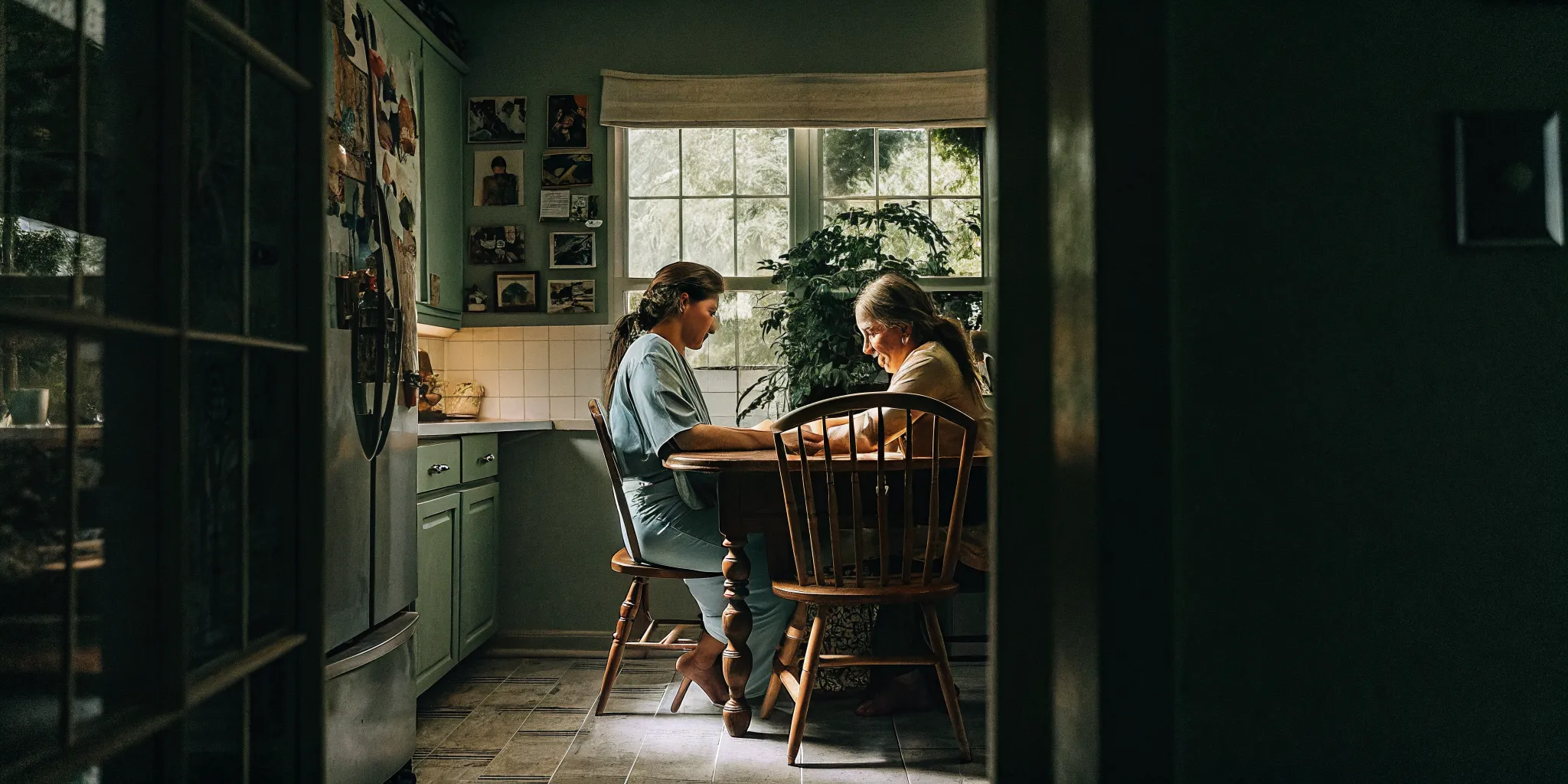
Managing a child’s ventilator or feeding tube 24 hours a day causes intense physical fatigue. If you feel like you are hanging on by a thread, please schedule a consultation to learn about high-acuity pediatric nursing care. Professional respite support helps Georgia families regain control of their lives.
Understanding caregiver burnout medically fragile child Georgia symptoms helps parents find professional support before they reach a physical and emotional breaking point. Caring for a child with complex medical needs involves constant vigilance, severe sleep deprivation, and managing equipment like ventilators or feeding tubes. A clinical study published on PubMed confirms that this constant strain causes profound emotional distancing, physical fatigue, and parental exhaustion. To help parents, the Georgia Pediatric Program (GAPP) offers a Medicaid pathway for children under 21 to receive skilled, in-home nursing care. This specialized nursing delivers essential respite, allowing exhausted parents to focus on their own health while their child receives expert clinical care at home.
If you feel completely overwhelmed by round-the-clock medical care, you may wonder how to protect your own well-being. To find a sustainable path forward, parents must first ask: What Is Caregiver Burnout and Why Is It Common for Parents of Medically Fragile Children?
Caregiver Burnout Medically Fragile Child Georgia: What Is Caregiver Burnout and Why Is It Common for Parents of Medically Fragile Children?
Caring for a child with complex medical needs is a full-time job. Many families deal with caregiver burnout when raising a medically fragile child in Georgia. This condition causes a severe state of physical and mental exhaustion. It is not just normal tiredness; it is a deep depletion of all your personal strength.
Defining caregiver burnout
Academic research describes parental burnout through specific signs. According to a study on caregiver burnout in mothers, this state has three main traits. It involves extreme physical and mental fatigue. It also causes emotional distancing, where parents feel detached from their child. Finally, parents feel a strong sense of ineffectiveness, feeling like they cannot do their job well.
Many parents feel they are at a breaking point or hanging on by a thread because of intense care demands. Over time, this chronic stress makes it hard to give basic daily care. It can affect how you relate to your child and family.
Why parents of medically fragile children face higher risks
The risk is not equal for all parents. For example, mothers of medically complex children experience more burnout symptoms than mothers of healthy children. Managing chronic health issues in the home takes a heavy toll on a mother’s mental health.
One major reason for this risk is the need for 24/7 medical monitoring. Caring for a medically complex child often needs constant vigilance to watch medical equipment. Parents must watch ventilators, feeding tubes, and oxygen support around the clock. This constant worry means they rarely get a full night of sleep.
Contributing factors to parental exhaustion
Because of these intense demands, caregivers often neglect their own health, which worsens their fatigue and burnout. When you spend every hour monitoring medical equipment, you do not have time to see a doctor or rest. This lack of self-care can lead to serious physical health problems for the parent. To manage these demands, families often need a care plan to reduce caregiver stress.
Many daily factors contribute to this heavy state of exhaustion. These daily challenges make it hard for parents to find relief:
- Constant vigilance to manage high-acuity medical equipment.
- Severe sleep deprivation from around-the-clock clinical needs.
- Isolation from friends who do not understand special-needs care.
- Neglecting your own medical visits and basic health needs.
- Difficulty finding trusted help for high-acuity pediatric nursing care in the local area.
Signs You Are Experiencing Caregiver Burnout
Caring for a medically fragile child can push parents to their limits. When you manage complex health needs around the clock, you may face the caregiver burnout medically fragile child Georgia parents often feel. Recognizing these early signs is essential for finding support and keeping your family strong.
Physical and behavioral warning signs
Raising a child with complex needs calls for a constant watch. This round-the-clock work can lead to chronic physical fatigue and severe sleep loss. You may find it hard to fall asleep even when your child is resting. Over time, you might feel a deep exhaustion that does not go away after a night of rest.
These physical signs often go hand in hand with changes in how you act. You may find yourself with a short temper or a reduced sense of patience. Some parents start to pull away from their social circles because they feel too tired to talk. It is easy to neglect your own health when your focus is on your child. But focusing on parental health and wellness is vital for your entire family.
- Extreme tiredness that sleep does not fix.
- Trouble falling or staying asleep.
- An angry temper or losing your patience fast.
- Pulling away from friends and family.
- Neglecting your own health and medical needs.
Emotional fatigue and mental distancing
The emotional toll of constant caregiving can be very heavy. You may feel like you are trapped in your care role with no way to get a break. This deep stress can cause you to pull back from others. Many parents experience emotional distancing as a way to cope with chronic caregiving stress.
You may also feel guilty when you think about your own needs. Many parents struggle to ask for help because they see self-care as a luxury. But taking care of yourself is not a luxury; it is a vital part of keeping your family strong.
A self-check for parents
To help you see if you are approaching a breaking point, take a moment to ask yourself these questions:
- Do you feel extremely tired even after a full night of sleep?
- Are you losing your patience or getting angry more often?
- Have you stopped reaching out to friends or family for support?
- Do you feel guilty when you spend even a few minutes on yourself?
- Do you feel like you are hanging on by a thread?
If you answered yes to some of these questions, you may be experiencing burnout. It is important to know that you are not alone, and asking for help is a sign of strength. Recognizing these early signs can help you get the support you need. In Georgia, your child may qualify for Georgia Pediatric Program (GAPP) support, which gives professional skilled nursing in the home to give you a much-needed break.
How In-Home Nursing Provides Genuine Respite for Caregivers
Daily burden of medical monitoring
Caring for a child with complex medical needs is a full-time job. Parents must watch equipment like ventilators and feeding tubes day and night. It is exhausting. Without help, family caregivers get little sleep and face deep fatigue.
When a child has complex needs, parents must act as clinical staff. They must learn to use ventilators, clear airways, and run feeding pumps. This role never stops. Parents are always on alert, even during the night. The lack of sleep builds up, which makes daily tasks hard to manage.
This is where skilled respite care is vital. It is not just about getting a short break. It is a needed medical support tool. Skilled in-home nursing support acts as a key way to find relief. Research shows that getting regular respite is a critical way to ease parental burnout and help families who feel alone. When parents can step back, they can rest and recover.
Family management versus professional support
Managing a child’s care alone means you must handle everything yourself. When a skilled nurse comes to your home, they take over the medical tasks. This shift gives you time to just be a parent. You do not have to do every clinical task on your own.
Here is what changes when you have support:
| Aspect | Managing Alone | With a Skilled Nurse |
|---|---|---|
| Medical monitoring | You must watch equipment 24/7 without a break | A licensed nurse monitors ventilators and feeding tubes |
| Sleep | Frequent night wakings to manage alarms and medications | Nurse handles night care so you can rest |
| Daily tasks | No time for errands, meals, or caring for other children | You can run errands, cook meals, or spend time with siblings |
| Emotional well-being | Constant alertness leads to isolation and burnout | Respite reduces stress and protects your mental health |
| Clinical expertise | You must learn and perform all skilled nursing tasks | An RN handles tracheostomy care, G-tube feeds, and medications |
Restoring a normal home environment
High-acuity care needs expert skills. That is why expert in-home care is vital for families in Georgia. A registered nurse at home handles the hard work of constant watch. They manage the daily treatments. This allows parents to step away, run simple errands, or sleep.
When a nurse is in the home, parents can spend time with their other children. They can have family meals without watching a monitor every second. This help makes the home feel like a real home. It reduces the clinical feel of the space and brings peace of mind.
To stop caregiver burnout medically fragile child Georgia families can turn to GAPP services. Our guide on high-acuity pediatric nursing care shows how this works. Skilled home care helps families keep a normal home life. Your house can feel like a home again, not just a clinic.
How GAPP Can Reduce the Burden on Family Caregivers
Caring for a child with complex medical needs is a full-time job that demands your time, strength, and constant care. When facing caregiver burnout, medically fragile child Georgia families can find relief through state programs. The Georgia Pediatric Program (GAPP) provides in-home nursing for medically fragile children under 21. This program can help ease your daily stress by bringing expert care right to your door.
What Is GAPP and Who Qualifies?
GAPP is a Medicaid-funded program in Georgia for children under 21. To qualify, your child must have Georgia Medicaid and need a skilled nursing level of care due to their medical condition. This means they need help with things like feeding tubes, oxygen, or tracheostomy care. Meeting these rules allows you to get expert care at no cost to your family.
Finding this support can be a huge help for parents. Research shows that getting regular respite and home support is critical to prevent parent burnout and social isolation. If you need help, finding Georgia Pediatric Program (GAPP) support is a great first step. The program bridges clinical needs and home-based support to make life easier.
Shifting the Clinical Weight to Nurses
Medically fragile children need constant watch. Parents often stay up all night to watch screens and machines. This round-the-clock work causes major sleep loss and physical fatigue. Without relief, this constant strain can lead to severe health issues for the parents.
GAPP matches your family with skilled pediatric nurses. These nurses take over the clinical tasks. They watch your child’s health, give medicine, and keep your child safe while you rest. This skilled pediatric nursing allows you to handle other family needs while your child receives expert care at home.
This in-home nursing support is a critical way to get respite. It bridges the gap between what your child needs and the help you have at home. When you have a nurse, you can sleep without fear. This support keeps the whole family unit healthy.
When a nurse is in your home, you do not have to be the sole clinical caregiver. You can step back and just be a parent again. You can spend time with your other children, run errands, or rest. This expert help lets you recharge your own health so you can care for your child for the long haul.
Resources for Parents of Medically Fragile Children in Georgia
Caring for a child with complex medical needs is a full-time job that can quickly lead to caregiver burnout. When you raise a medically fragile child in Georgia, the daily physical toll can feel heavy. Many parents try to carry this heavy burden alone, which only increases their daily stress. But finding support is not a sign of weakness. Knowing that you need help is the first step toward building a strong care network that keeps your family healthy.
The Power of Community Support
Caring for a child with complex needs can make you feel cut off from others. This feeling of being alone gets worse when you cannot find good respite care. Research shows that being alone and lacking backup care are major drivers of parental burnout. This chronic stress drains your strength and makes daily care feel heavy.
But you do not have to carry this load on your own. Joining local support groups and area networks can protect your mental health. Meeting other parents who face the same struggles gives you a safe place to share tips and find hope. These shared bonds help build a strong safety net for your home.
Georgia Resources and Medicaid Programs
Georgia offers key programs to help families with high-acuity care. The Georgia Department of Community Health runs services that help parents manage complex medical needs. The most vital help for many families is the Georgia Pediatric Program. This program funded by Georgia Medicaid gives skilled nursing care in the home for qualified children under age 21.
Local resources that can help your family include:
- The Georgia Department of Community Health: This state agency manages the Medicaid programs that fund in-home clinical care.
- The Georgia Pediatric Program (GAPP): This program delivers skilled in-home nursing support to kids under age 21 with high-acuity medical needs.
- Parent to Parent of Georgia: This local group connects families with local support circles, peer coaching, and health help.
Using these state programs is a key part of maintaining parental health and wellness. When a trained nurse helps with medical tasks, you get a break to rest and recharge. Local groups help families find local aid. They can guide you through the steps of signing up for state services and help you build a local support circle.
Taking the First Step Toward Respite
Many parents struggle to ask for help because they feel they should do it all. But seeking expert support is not a sign of failure. It is a sign of strength that protects your child’s well-being. Accepting help allows you to set up a lasting routine. Creating a healthy daily routine and using home support are proven ways to manage long-term care demands.
To start, you can work with a pediatric home health agency to design an individualized care plan. This custom plan outlines the exact nursing hours and clinical tasks your child needs. Accepting this external care is key to keeping your family strong. Taking this step ensures you can give high-quality care for your child over the long term without losing your own health.
Steps to Get Started with GAPP Support
- Verify your child’s Georgia Medicaid eligibility and confirm they meet the under-21 age requirement.
- Contact Greater Living Home Care at (912) 446-5838 for a free consultation about GAPP enrollment.
- Gather your child’s medical records, including diagnosis documentation and physician orders for skilled nursing.
- Schedule a nursing assessment where a clinical team evaluates your child’s care needs in your home.
- Receive an approved care plan with assigned nursing hours and begin in-home skilled nursing visits.
Frequently Asked Questions
Is caregiver burnout common among parents of children with special healthcare needs?
Yes, it is very common. Caring for a child with complex medical needs causes severe stress. According to research on PubMed, this burnout causes extreme fatigue, feeling distant from your child, and feeling like you are failing. Over time, this constant stress can make it hard for a parent to give the proper care their child needs.
How do I know if I have caregiver burnout?
You may feel constant fatigue, have trouble sleeping, feel easily angered, or pull away from friends and family. Finding these signs early is key. It helps you get support before reaching a breaking point. Families in Georgia can find help through state programs like the Georgia Pediatric Program to ease these daily pressures.
Does GAPP pay for in-home nursing in Georgia?
Yes. The Georgia Pediatric Program is a state Medicaid program. It covers the cost of in-home nursing for children under the age of 21 who need expert care. If your child has complex medical needs and has Medicaid, GAPP provides in-home nursing care at no cost to your family.
How does in-home pediatric nursing help with caregiver burnout?
Having a trained nurse in your home helps you take a break from constant care duties. It gives you time to rest, sleep, or care for other family needs. According to Greater Living Home Care, in-home nursing provides the expert medical care your child needs. This serves as a key respite strategy to reduce your daily stress and lower burnout.
Are You Ready to Get Pediatric Nursing Support in Georgia?
Caring for a medically fragile child without any skilled help can lead to deep physical and mental fatigue for your entire family. Delaying your search for support only makes your daily stress worse and can put your own health and wellness at great risk over time. By starting GAPP services today, you can quickly get skilled in-home nursing care and find the deep rest your family needs right now.
Our kind and supportive team in Georgia is ready to help your family find the best path forward. Ready to get support? Call (912) 446-5838 to reach out to Greater Living Home Care to learn more about GAPP eligibility and in-home nursing support.
