Down Syndrome Trisomy 21 Home Nursing Georgia Families Guide
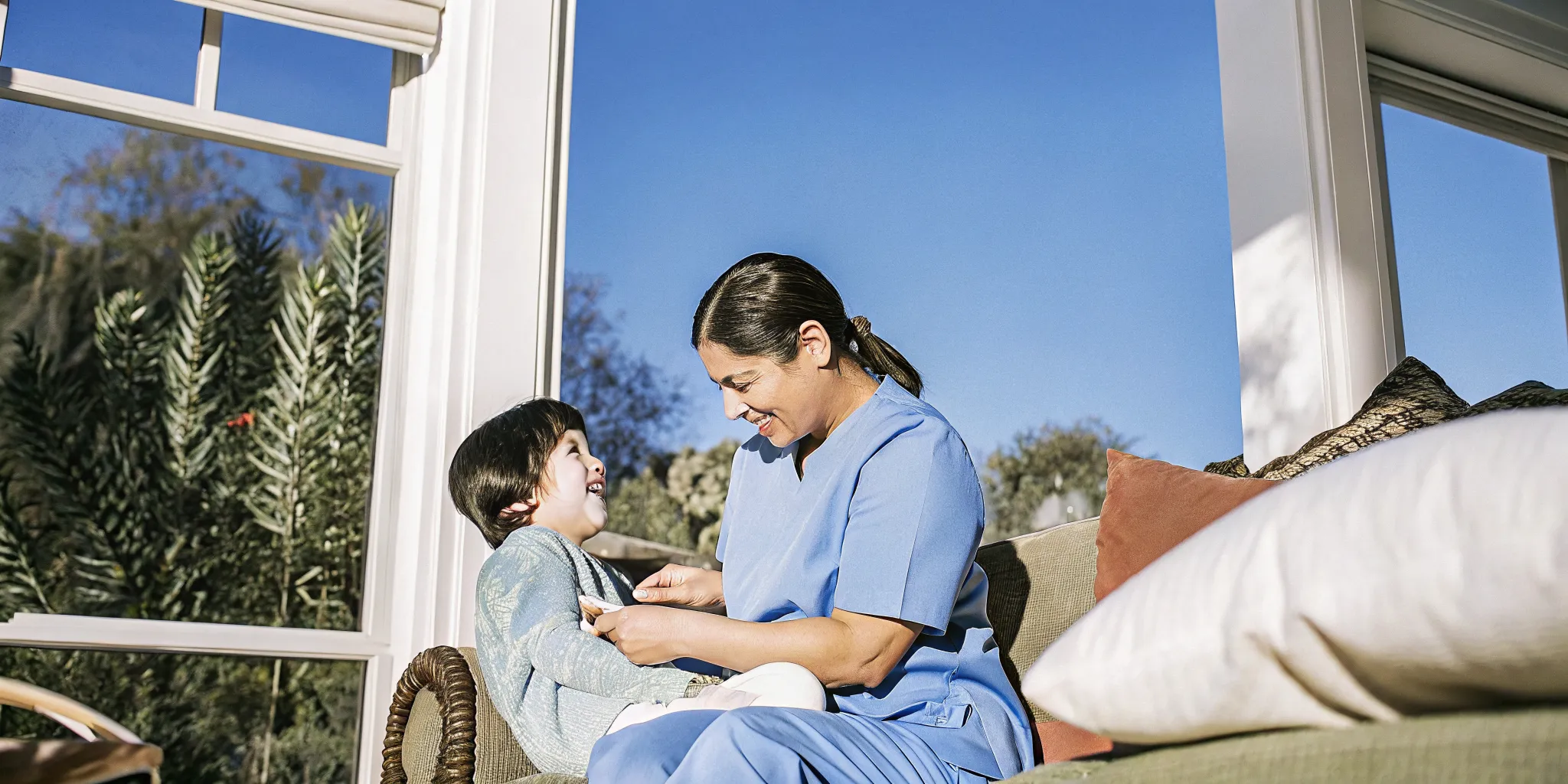
Caring for a child with complex medical needs requires specialized support and professional guidance. Georgia families often face high stress when managing daily medical challenges at home, but you do not have to walk this path alone.
Call us today at (912) 446-5838 to discuss your family’s home nursing needs.
Securing reliable in-home skilled nursing care in Georgia helps families get critical medical support for children with down syndrome trisomy 21 home nursing Georgia needs in the comfort of their homes. Children diagnosed with Trisomy 21 who have associated high-acuity medical conditions receive skilled care from registered nurses (RNs) and licensed practical nurses (LPNs). In Georgia, these clinical services are fully funded through the Georgia Pediatric Program (GAPP) for eligible children under 21 with Georgia Medicaid. Approved families face zero out-of-pocket costs.
Every child has a unique set of strengths and physical challenges that shape their daily care routine. Understanding the specific clinical supports that will help your child thrive is the first step toward building a successful home care plan. Let us examine the clinical conditions and daily medical care requirements that Georgia families commonly face.
Down Syndrome Trisomy 21 Home Nursing Georgia: What Are the Home Care Needs of a Child with Down Syndrome?
Children with Down syndrome often need specialized in-home nursing for congenital heart defects, respiratory issues, feeding difficulties, and developmental delays. A licensed nurse manages these conditions safely at home, reducing hospital visits.
Down syndrome, or trisomy 21, is a genetic condition caused by an extra copy of chromosome 21. This extra genetic material affects how a child develops physically and mentally, as noted by the Mayo Clinic. While some children with this diagnosis need only basic support, others have complex medical issues that require a high-acuity pediatric home nursing guide for Georgia families to manage safely at home.
Common Medical Issues and Comorbidities
Children with this genetic condition often face several health challenges at the same time. The Mayo Clinic states that about half of these children are born with congenital heart defects. They also frequently experience low muscle tone called hypotonia. This low tone can lead to severe feeding difficulties and swallowing issues. Many children also experience chronic respiratory problems, sleep apnea, and significant developmental delays.
The Role of Pediatric Home Nursing
Home care needs vary widely based on the medical complexity of each child. Some families can manage care with help from therapy and personal care assistants. However, children with high-acuity needs often require a customized in-home care plan. According to Georgia Medicaid guidelines, this support includes managing enteral G-tube feedings, providing complex respiratory therapy, and assisting with mobility issues. Having a licensed nurse in the home ensures clinical safety and prevents caregiver burnout.
When Does a Child with Trisomy 21 Qualify for GAPP Nursing?
A child with trisomy 21 qualifies for GAPP nursing in Georgia if they are under 21. Enrolled in Georgia Medicaid, and have medical needs requiring skilled nursing care such as G-tube management or respiratory therapy.
The Georgia Pediatric Program (GAPP) is a Georgia Medicaid program that provides in-home skilled nursing care at no cost to eligible families. If your child has complex health needs, they may qualify for this service and access skilled support without paying out of pocket.
Georgia Pediatric Program Requirements
To qualify for GAPP, a child must be under 21 years old and currently enrolled in Georgia Medicaid. The child must also require professional care that is medically necessary. Through Georgia Medicaid home nursing options, families can set up stable care in their own home.
Medical Necessity and Developmental Diagnosis
Down syndrome is recognized as a qualifying developmental diagnosis. The Georgia Department of Behavioral Health and Developmental Disabilities provides resources for families facing developmental challenges, but GAPP specifically addresses skilled medical needs. Under GAPP rules, the child must show a need for active skilled nursing such as help with feeding tubes. Managing breathing issues, monitoring heart defects, or giving complex medications.
Securing Approval for Your Child
Applying for GAPP can feel overwhelming, but you do not have to do it alone. Greater Living Home Care has a 95% success rate in helping families get approval for GAPP services. Our team assists with the application and coordinates with doctors to document your child’s medical needs. Check out our guide on Georgia Pediatric Program (GAPP) eligibility to see how we can assist your family.
Respiratory and Cardiac Nursing Needs in Children with Down Syndrome
About 50% of infants with Down syndrome have congenital heart defects, and many face respiratory challenges including sleep apnea and aspiration risks. In-home pediatric nurses monitor vital signs, manage medications, and provide respiratory therapy.
Children with Down syndrome often face complex medical challenges that require specialized attention in the home. Research shows that about 50% of infants born with this genetic condition have a congenital heart defect such as an atrioventricular septal defect (AVSD). Ventricular septal defect (VSD), or atrial septal defect (ASD). These serious conditions are a primary reason many families require professional pediatric skilled nursing care in Georgia for safe daily management.
Managing Congenital Heart Defects at Home
Because many infants with trisomy 21 have complex heart conditions, specialized home nursing becomes essential to prevent serious medical crises. Pediatric nurses assist families by monitoring oxygen levels, tracking heart rates, and assessing for signs of fluid overload or heart strain. Under the clinical guidance of regional experts like those at the Emory Down Syndrome Clinic or ADMH Marietta. A home nurse can administer complex cardiac medications and evaluate the child’s overall cardiovascular health. These interventions help keep children stable, reduce hospital visits, and support recovery after corrective heart surgeries.
To support this clinical oversight, home nurses coordinate closely with primary doctors and specialists. They track weight gain, watch for changes in breathing patterns, and ensure medical equipment functions properly. This continuous care bridges the gap between clinical visits.
Addressing Sleep Apnea and Aspiration Risks
Respiratory issues are also highly common in children with Down syndrome. Structural differences in the airway, combined with low muscle tone, increase the risk of obstructive sleep apnea and chronic lung infections. Swallowing difficulties can lead to food or liquid entering the lungs, which is known as silent aspiration. 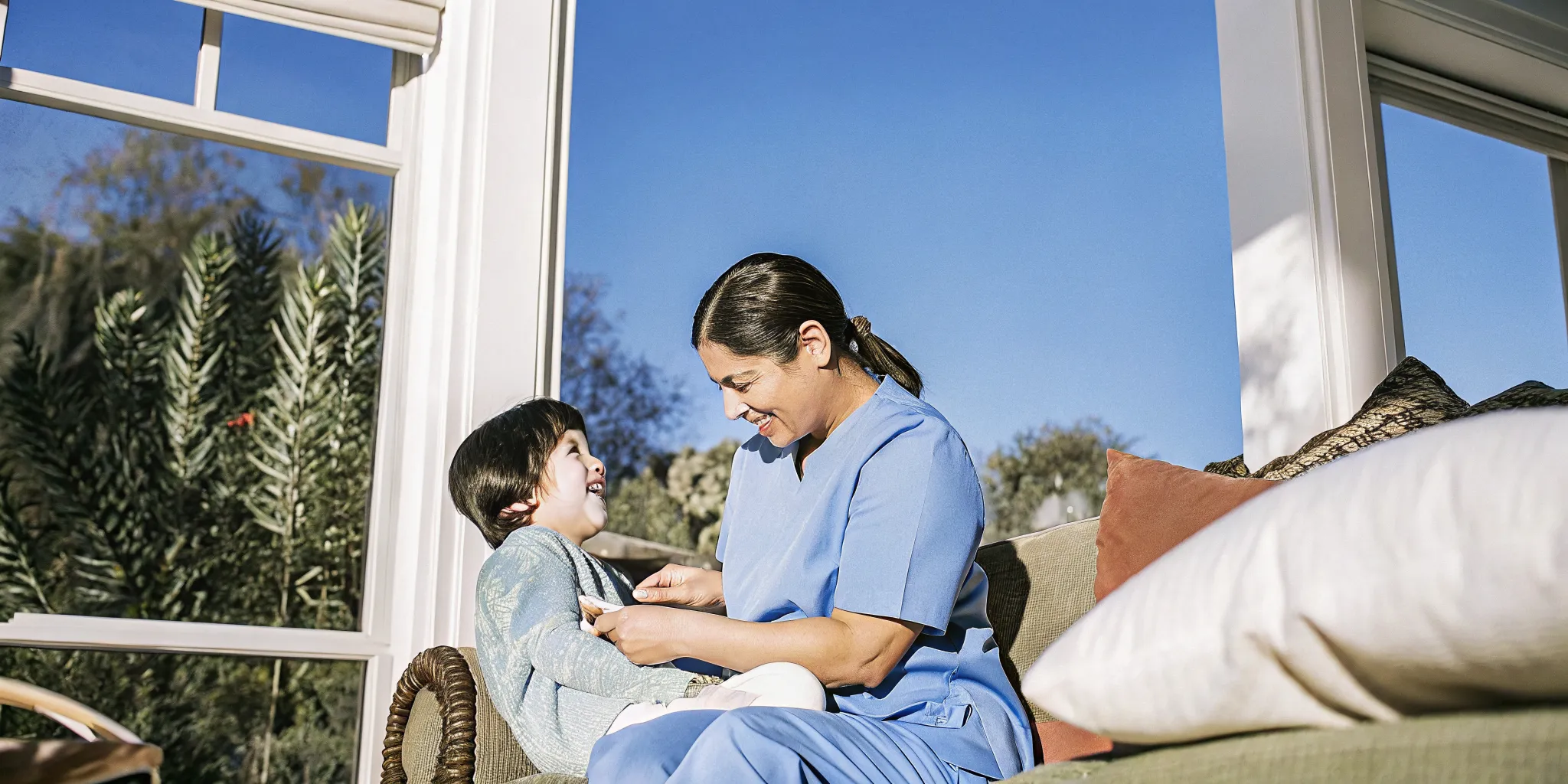 A pediatric home nurse provides respiratory therapy support, performs regular airway assessments, and uses pulse oximetry to track blood oxygen levels.
During daily care, the nurse performs chest physiotherapy, delivers breathing treatments, and assists with specialized feeding techniques to prevent choking. If a child uses a feeding tube or requires supplemental oxygen, the nurse manages this equipment safely. By addressing these airway risks early, home nursing reduces the frequency of pneumonia.
Our experienced team at Greater Living Home Care helps families across Georgia navigate these complex care needs. Read our high-acuity pediatric home nursing guide for Georgia families for more details.
CNA vs. RN Support: What Level of Care Does My Child Need?
In Georgia, children with Down syndrome and complex medical needs receive care from RNs, LPNs, or CNAs and PCAs depending on medical complexity. RNs provide the highest clinical oversight while CNAs assist with daily living activities.
The state of Georgia offers different tiers of nursing and care staff to help families. Understanding the exact role of each care level makes it easier to choose the right fit for your child. The key lies in matching your child’s medical fragility with the correct tier of professional support.
The Vital Role of Registered Nurses
A registered nurse (RN) provides the highest level of in-home clinical care. These licensed professionals evaluate your child, design care plans, and manage complex devices. If your child has congenital heart issues or needs a gastrostomy tube, an RN has the training to manage these needs safely. RNs also teach families how to use medical tools and notice small changes in a child’s health.
How Licensed Practical Nurses Assist
A licensed practical nurse (LPN) works under the supervision of an RN. LPNs perform many of the same skilled tasks such as giving medications and managing G-tube feeds. They follow the clinical care plan set by the RN to keep your child safe. LPNs are a great fit for families who need consistent skilled daily care and ensure your child receives safe pediatric skilled nursing care in Georgia without gaps.
Everyday Help from CNAs and PCAs
Certified nursing assistants (CNAs) and personal care assistants (PCAs) do not perform medical procedures. Instead, they assist with activities of daily living such as bathing, eating, dressing, and mobility. Their support gives primary family caregivers a much-needed break.
Comparing In-Home Care Tiers
| Care Level | Qualifications | Typical Tasks | When Your Child Needs This |
|---|---|---|---|
| Registered Nurse (RN) | Associate or Bachelor of Science in Nursing; active state license. | Clinical assessments, medication management, G-tube care, tracheostomy and ventilator care. | Your child has high-acuity medical needs, active heart or lung issues, or needs complex clinical monitoring. |
| Licensed Practical Nurse (LPN) | Practical Nursing diploma; active state license; works under RN supervision. | Administering medications, tube feedings, wound care, and routine clinical tasks. | Your child requires daily stable skilled medical care without constant clinical assessment. |
| CNA or PCA | State-certified training program (CNA) or basic home care training (PCA). | Assisting with bathing, dressing, feeding, transfers, and basic mobility. | Your child only needs help with daily needs, personal care, and activities of daily living. |
How to Apply for GAPP Services for a Child with Trisomy 21
Families apply for GAPP by confirming Medicaid eligibility, obtaining a physician’s prescription, and contacting a certified GAPP provider. Then they submit the application, complete a nursing assessment, and receive state approval.
The Georgia Department of Community Health runs GAPP, which provides Medicaid-funded home nursing for eligible children. Follow these six steps to apply.
- Confirm Georgia Medicaid eligibility: Ensure your child has active Medicaid coverage in Georgia. The program is for children under 21 who live in Georgia.
- Obtain a physician’s order: Get a formal prescription from your child’s doctor stating that your child needs skilled nursing care at home.
- Contact a GAPP provider: Reach out to a GAPP provider like Greater Living Home Care. Our team helps families with the entire enrollment process.
- Complete the GAPP application: Your provider will help you submit the official application packet including medical records, the prescription, and Medicaid details.
- Undergo a nursing assessment: A nurse will assess your child’s clinical needs at home to determine the number of approved nursing hours.
- Receive approval and begin care: Once the state approves your packet, in-home services begin. Learn more about Georgia Pediatric Program (GAPP) eligibility to ensure a smooth transition.
Frequently Asked Questions
Georgia families often have specific questions about home nursing for children with Down syndrome, what conditions qualify, and how to access GAPP funding.
Does a child with Down syndrome qualify for home nursing in Georgia?
Yes. A child with Down syndrome can qualify for in-home nursing under GAPP if they have Georgia Medicaid and show a medical need for skilled care. According to Georgia Medicaid, these services let children receive treatments at home.
What medical needs require home nursing for a child with Trisomy 21?
Many children with Trisomy 21 have conditions that need skilled monitoring. About half are born with congenital heart defects. Home nurses monitor vital signs, support G-tube feedings, manage oxygen therapy, and assist with respiratory care.
Are there early intervention programs in Georgia for infants with Down syndrome?
Yes. The state offers the Babies Can’t Wait program for infants and toddlers under age three with developmental delays. As noted by the Georgia Department of Public Health, this service helps families build a strong foundation of support.
How do families pay for pediatric home nursing in Georgia?
If your child qualifies for GAPP, Georgia Medicaid covers the full cost of skilled home nursing. Families do not pay out-of-pocket for these approved services.
Ready to Support Your Child with Skilled Home Nursing?
Delaying clinical care for a child with complex needs can increase the risk of avoidable hospital visits and medical setbacks. Starting professional care early ensures your child receives consistent health monitoring in the safety of your home. Our team guides your family through every stage of program enrollment.
Call Greater Living Home Care at (912) 446-5838 to learn if your child qualifies for GAPP-funded in-home nursing.
