
A Family Guide to the GAPP Model of Care Plan in Georgia
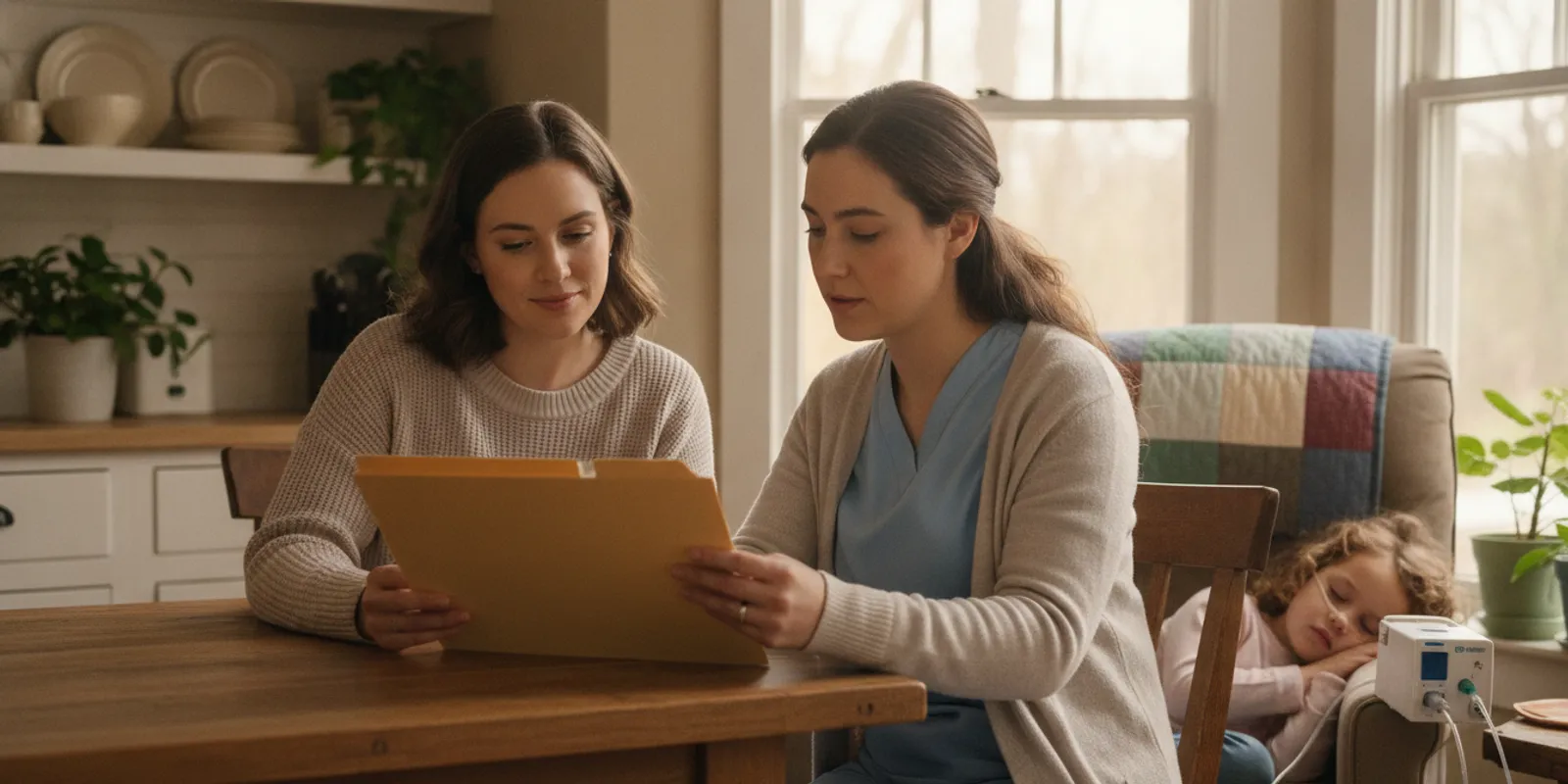
A GAPP Model of Care plan in Georgia is an individualized guide to a child’s health needs and the nursing support being considered at home. Families who search for the phrase “GAPP Model of Care plan Georgia” are usually asking how clinical planning fits with nursing support and program review. The plan does not, by itself, establish GAPP eligibility or guarantee authorized hours. Call Greater Living Home Care at (912) 446-5838 to discuss your family’s care-planning questions.
Talk with Greater Living Home Care about your child’s care-planning questions
For a broader overview of Georgia Pediatric Program (GAPP) services, start with the program context, then use this guide to prepare for a conversation about your child’s specific needs.
What Is a GAPP Model of Care Plan in Georgia?
A Model of Care plan describes how a child’s care needs, nursing tasks, family routines, and clinical oversight fit together. For a child who may receive in-home support through GAPP, a care plan can help the involved adults understand the child’s needs and the approach for providing care in the home. The details should reflect the child, not a generic checklist.
It is useful to separate three related ideas:
- The child’s care needs: What health conditions, daily care activities, monitoring, or skilled nursing tasks does the child need help with?
- The clinical plan: How will the care team organize and document care, coordinate with the family, and provide clinical oversight?
- Program decisions: Whether the child meets applicable GAPP requirements and which services, if any, are approved through the relevant Medicaid processes.
These ideas inform one another, but they are not interchangeable. A written plan can make a child’s needs easier to explain; it is not a promise that a particular service or schedule will be approved. Georgia’s published GAPP materials describe skilled nursing and personal care support for medically fragile children when medically necessary. Families can review the Georgia GAPP presentation and ask their care team how current requirements apply to their situation.
What Should Families Discuss in a GAPP Model of Care Plan?
There is no substitute for the child’s current clinical instructions and the care team’s assessment. Still, families can use a few broad topics to make a planning conversation clearer. The plan should help the people involved understand what the child needs, who is responsible for each part of care, and how to communicate when needs or circumstances change.
| Planning topic | What to discuss | What a family can prepare |
|---|---|---|
| Health needs and daily routines | Current diagnoses, typical routines, and the care activities that need support | A concise description of an ordinary day and any changes the family has observed |
| Nursing tasks and safety | Tasks that require a licensed nurse, monitoring needs, and existing clinical instructions | Current orders or instructions from the child’s treating clinicians, if available |
| Goals and priorities | What the family and clinical team want care to support in daily life | The family’s questions, priorities, and concerns about care at home |
| Communication and coordination | How the family and care team will share updates and clarify questions | Names and contact details for relevant providers, plus preferred ways to communicate |
| Review and changes | How the team will revisit the plan when needs or instructions change | A brief timeline of important changes, appointments, or new guidance |
This table is a discussion aid, not an official GAPP form or a list of required fields. Do not change a clinical instruction based on a general article. Ask the child’s clinician or nurse to explain any care direction that is unclear, and use the appropriate clinical contact if the child’s condition changes.
Families may find it helpful to ask how the plan will distinguish ongoing routines from tasks that happen only under specific circumstances. They can also clarify which details should be recorded by a caregiver, what requires a clinician’s direction, and how a question will be escalated if the assigned nurse or family is uncertain. The purpose is not to put every possible event into one document. It is to make roles, communication, and current instructions easier to understand.
Before a meeting ends, summarize what you understood and invite the team to correct anything that is inaccurate. Ask whether the plan will be shared with the family, how updates will be made, and who can answer follow-up questions. If the written plan uses unfamiliar terms, request plain-language explanations. Clear shared understanding can prevent family members and care professionals from assuming they have the same instructions when they do not.

How Does Clinical Planning Differ from GAPP Authorization?
Families often use “care plan,” “medical necessity,” and “authorization” in the same conversation. They refer to connected but different parts of the process. Clinical planning describes the child’s care needs and the way a team intends to address them. Program eligibility and authorization are administrative decisions made through the applicable Georgia Medicaid and GAPP processes.
The Georgia Medicaid policy page explains that a request for GAPP services is made when someone needs a particular medical service that is not usually covered by Medicaid, and it discusses prior authorization. Because rules and individual circumstances matter, families should confirm current requirements with the relevant Medicaid or GAPP contacts and the child’s care team, rather than treating an agency discussion as an approval. See the Georgia Medicaid GAPP policy for program policy context.
Greater Living Home Care’s RNs directly handle care coordination, Model of Care plans, and clinical oversight as part of its pediatric home nursing work. That is different from simply referring a family to an independent nurse. The child’s clinical plan can support coordination, while program reviewers determine eligibility and authorized services under applicable requirements. For an overview of the agency’s pediatric home care services, review the service information and ask how the process applies to your child.
What Information Can Parents Gather Before Planning?
You do not need to assemble a perfect binder before asking for help. A small, organized set of information can make it easier to explain your child’s needs and identify what the team still needs to clarify. If a document is unavailable, note that rather than delaying a conversation to locate it.
- Write a short child profile. Note the child’s age, major health needs, daily routines, communication preferences, and what support the family is seeking. Keep it factual and in your own words.
- List the care tasks that prompt questions. For example, note when the child needs monitoring or skilled support, what makes a task difficult for the family, and when help is most needed. Do not decide on a level of nursing or hours yourself; describe the situation for clinicians to assess.
- Collect current clinical information. If readily available, gather relevant clinician instructions, medication or equipment information, discharge summaries, and contact details for the child’s providers. Share only what the care team needs through an appropriate channel.
- Track changes over time. A dated note about a new routine, change in equipment, hospitalization, or clinician recommendation can help the team understand what has changed. Separate what you observed from what a clinician diagnosed or instructed.
- Prepare questions. Ask what information is missing, who will coordinate the next step, how changes should be reported, and whether any program forms or authorizations are needed.
Families seeking an overview of the application conversation may also use this GAPP application checklist. It can help organize questions, but the appropriate reviewer or care team should confirm which documents are required for an individual request.
How Can a Care Plan Reflect a Child’s Home and Family Routine?
A useful plan makes room for both clinical needs and the way a child lives day to day. Families know the child’s usual rhythms, communication cues, preferences, and the practical details of the home. The clinical team contributes assessment, nursing judgment, care coordination, and oversight. A productive discussion respects both perspectives while keeping medical decisions with qualified clinicians. For additional ideas about organizing a child-centered plan, see this guide to building a special needs care plan.
Consider describing a typical weekday and weekend, transitions such as getting ready for school, sleep routines, and the times when the family has the most questions. Explain how the child communicates discomfort or needs, if relevant, and how the family currently responds. Where medical equipment or technology is involved, identify what the family has been instructed to do and what still needs clarification.
Plans should be individualized rather than copied from another child’s experience. Two children with the same diagnosis may have different needs, routines, and clinical instructions. A diagnosis alone does not establish eligibility, determine a service schedule, or replace an assessment. Families can read more about the difference between diagnosis and program criteria in this guide to diagnoses and GAPP in Georgia, then seek confirmation for their own case.
It may also help to identify who should receive updates. Depending on the child’s situation, that may include a parent or guardian, the agency’s clinical staff, and the child’s treating clinicians. Ask the team what information can be shared, how to send it securely, and who to contact with routine questions versus urgent concerns. An article cannot provide emergency instructions; follow the child’s clinician-provided plan and local emergency guidance.
When Should a GAPP Model of Care Plan Be Reviewed?
Care planning is not a one-time exercise. A child’s needs, routines, clinical instructions, and family circumstances can change. Families should tell the appropriate clinician or care coordinator about important changes and ask whether the written plan, supporting records, or program request needs review. Do not assume that a plan or authorization updates automatically.
Examples of changes worth raising include a new clinician instruction, a change in equipment, a new or different nursing task, a discharge from a hospital, a major change in the child’s routine, or a concern that the documented plan no longer reflects what happens at home. These examples are prompts for communication, not a clinical checklist or a determination that a particular service is needed.
For a more focused discussion of preparation and review, see the guide to GAPP reassessment and pediatric nursing in Georgia. Ask the responsible team what process applies, what documents to provide, and who can confirm the status of any program review.
When you report a change, share the date it began, what you have observed, and whether a clinician has given new instructions. Keep the distinction clear: a family observation is important context, but it is not the same as a clinical assessment. Ask whether the team needs a copy of updated instructions or other records, and confirm how those materials should be sent. If the change affects a program request, ask who will explain any authorization or reassessment steps rather than assuming the clinical plan alone changes a program decision.
It can help to record the follow-up in a simple log: the date you contacted the team, the question you asked, the person who responded, and any next step or expected update. This is not a substitute for the agency’s records or official notices. It gives the family a clear reference during later conversations, particularly when several providers or caregivers participate. If you receive a decision or notice, read it carefully and direct questions to the contact listed on it.
How Can Families Ask Clear Questions About the Plan?
Planning conversations can feel overwhelming, especially when a family is coordinating care alongside school, appointments, and everyday responsibilities. A short written list can keep the discussion focused. Consider asking:
- What parts of my child’s care need skilled nursing or other support, and who determines that?
- Which clinical instructions should the plan reflect, and who should clarify them if they conflict or are unclear?
- What information is missing before the team can complete its clinical planning?
- Which decisions belong to the care team, and which require a Georgia Medicaid or GAPP review?
- How will we learn whether a request has been submitted, reviewed, or approved?
- Who should our family contact when our child’s needs or clinical instructions change?
- How can our child’s preferences and daily routines be included in the plan?
Keep a brief record of the date, the people you spoke with, any documents requested, and the agreed next step. If you do not understand a term, ask for it in plain language. If an answer depends on program rules, ask which office or reviewer can confirm it. Families can also consult the agency’s GAPP and home health FAQs for general background, while remembering that a general answer may not resolve a child’s individual case.
Contact Greater Living Home Care to discuss your family’s GAPP care-planning questions
Frequently Asked Questions
Does having a Model of Care plan mean my child qualifies for GAPP?
No. A care plan helps describe and coordinate care, but it does not determine eligibility or guarantee an approval. Georgia Medicaid coverage, the child’s circumstances, medical necessity, and applicable program review all matter. Confirm an individual decision with the responsible program or reviewer.
Is a Model of Care plan the same as a prior authorization?
No. A Model of Care plan is a clinical planning document or process. Prior authorization is a program review step for requested services when applicable. Ask the care team what documents support a request and the appropriate reviewer how to confirm its status.
Can parents contribute to a child’s care plan?
Parents and guardians can share information about the child’s routines, communication, preferences, and what they observe at home. Clinical assessment and medical directions should come from the child’s qualified care team. Ask how the team records family input and how to raise questions or corrections.
How often should we update the plan?
There is no single schedule that fits every child or every program situation. Contact the responsible clinical team when needs or instructions change, and ask whether the plan or any program documentation needs review. The team can explain the process for your child.
What if our family is unsure which document or step comes next?
Write down what you have already submitted and what question remains, then contact the agency care coordinator or appropriate program contact. Ask who owns the next step, whether anything is missing, and when to follow up. Clear documentation can help everyone discuss the same information.
A thoughtful care-planning conversation gives families and clinicians a clearer way to describe a child’s needs, but eligibility and service decisions still require confirmation through the applicable Georgia Medicaid and GAPP processes.
