
A Family Guide to GAPP Nursing Continuity of Care Georgia
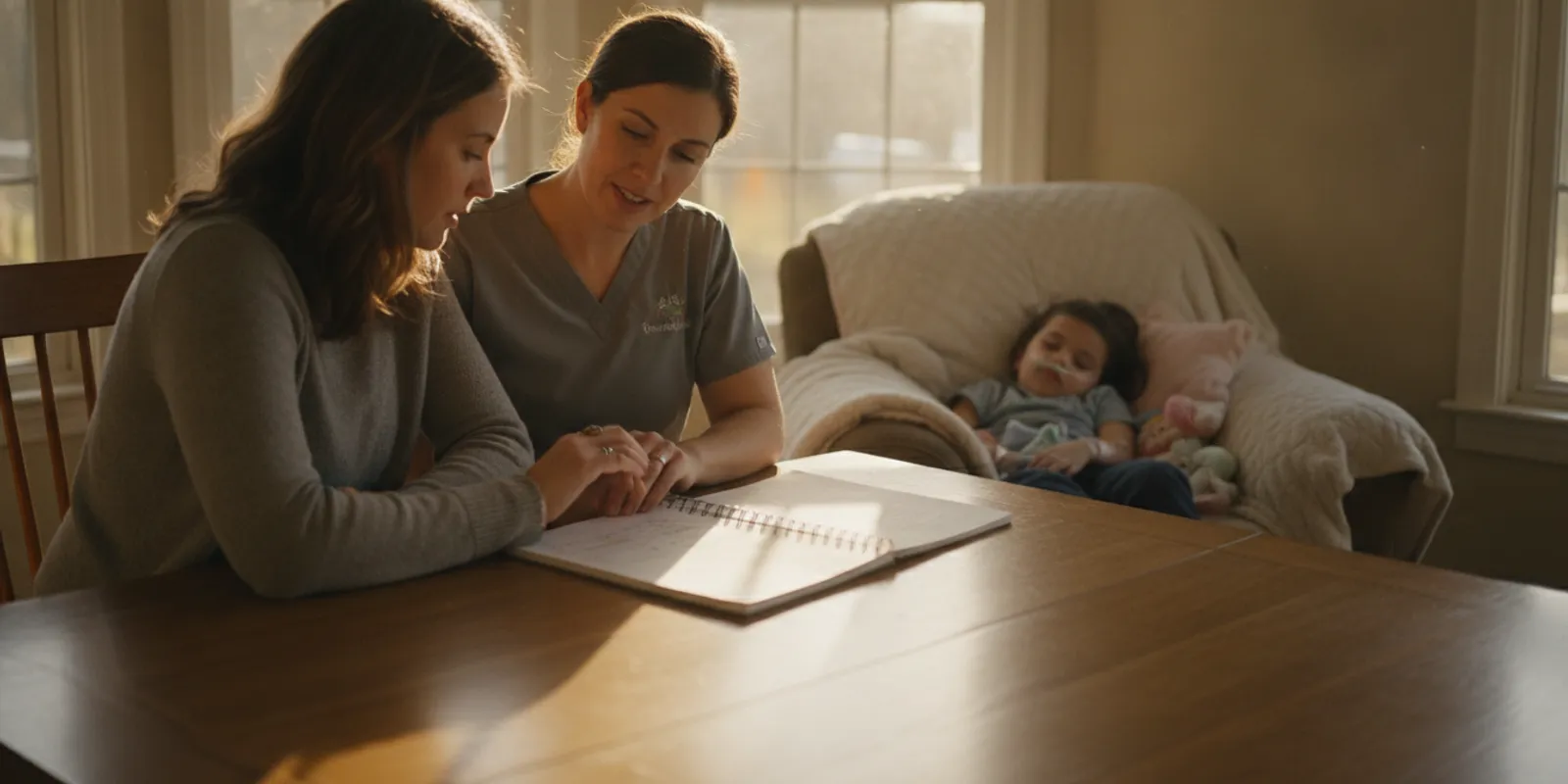
GAPP nursing continuity of care Georgia families seek means keeping a child’s care organized and consistent as nurses, schedules, or needs change. Families can support that process by documenting routines, confirming the current care plan, and coordinating questions with the child’s clinical team; talk with Greater Living Home Care about your child’s nursing needs. Greater Living’s Georgia pediatric home health care guide explains the broader in-home service context.
Talk with our team about your child’s nursing needs
What Does GAPP Nursing Continuity of Care Georgia Mean?
Continuity of care is the effort to keep important information, responsibilities, and agreed care practices connected over time. For a child receiving in-home nursing, that can include clear communication between the family, nurses, and the clinical team when a shift changes, a routine needs review, or the child’s condition or equipment changes.
Continuity does not mean that the same nurse is guaranteed for every shift, that every requested hour will be authorized, or that a family’s preferred schedule can always be staffed. GAPP services are subject to program requirements and individual review. A family should confirm its child’s eligibility, approved services, and current plan through the appropriate Medicaid and clinical channels. The Georgia Pediatric Program presentation describes GAPP as providing medically necessary skilled nursing and/or personal care support for eligible children.
In practical terms, continuity is less about a promise of an unchanged schedule and more about reducing avoidable information gaps. The next caregiver should know which current instructions apply, the family should know whom to contact about a change, and the clinical team should receive relevant updates. The exact process depends on the child’s authorized services and the agency’s clinical procedures.
Why Does Continuity Matter for a Child’s Home Nursing?
Children with complex needs may have routines involving medication administration, feeding-tube care, airway support, positioning, or observation for changes that the family and clinicians have discussed. A clear handoff helps a nurse understand what has happened during the prior shift and what questions need follow-up. It also helps families communicate the child’s usual patterns without asking them to repeat every detail from memory.
Continuity is also important when the care plan changes. A hospital discharge, new equipment, a change in the child’s baseline, or a new clinical instruction can make an old set of notes incomplete. Families should use the instructions from the child’s licensed clinicians and ask the clinical team to clarify anything they do not understand. An article cannot replace individualized medical direction.
When discussing GAPP services, distinguish among three related but different questions:
- Program eligibility: Does the child meet the applicable Georgia Medicaid and GAPP requirements?
- Authorization: Which services and hours, if any, have been approved for the child and for what period?
- Service delivery: What care can be scheduled and delivered by the provider under the current authorization and staffing situation?
These questions may involve different people and steps. A family should not assume that a discussion with an agency is itself an eligibility decision or authorization. For a wider comparison of program and service terms, see this guide to GAPP and Medicaid home health in Georgia.
Which Information Helps Connect One Nursing Shift to the Next?
A useful handoff is concise, current, and consistent with the child’s approved plan and clinician instructions. The family can ask the agency what format it uses and what information it expects families to report. Do not put sensitive health details in an unsecured place or share them with people who are not involved in the child’s care.
Depending on the child’s situation and the agency’s process, a handoff may cover:
- Any meaningful change from the child’s usual condition, along with when the family noticed it and whom they notified.
- Care tasks completed during the shift and any item that still needs follow-up.
- Current instructions relevant to the next shift, including where the approved care plan and emergency directions are kept.
- Equipment or supply concerns that should be brought to the family’s or clinical team’s attention.
- Appointments, recent discharge instructions, or updates from the child’s treating clinicians that have been shared with the agency.
- Practical details that help the nurse follow the family’s agreed routine, such as the child’s communication preferences or comfort cues.
A simple handoff can separate routine information from items that need action. For example, the family might note that a scheduled appointment is coming up, while separately flagging a new clinician instruction that the provider must review. Label dates clearly and identify who has already been notified. If a question remains unresolved, say so directly rather than leaving the next person to infer that it was handled. These habits make the communication easier to follow without asking families to make clinical judgments.
Families can also ask how handoff information moves when a nurse is absent, a shift is reassigned, or the child receives care from more than one team. The goal is not to duplicate every record in several places. It is to know which record is authoritative, which staff role receives updates, and how the family can verify that an important change reached the right person. The agency should explain its own documentation and privacy procedures.
Families should avoid treating a personal notebook or shift log as a substitute for the formal medical record, an agency reporting procedure, or the child’s care plan. Ask which information must be documented in the provider’s system and how urgent concerns should be communicated. If a child has a sudden or serious change, follow the clinician-provided emergency instructions and seek urgent help as appropriate rather than waiting for a routine handoff.

How Can Families Prepare for a Change in Nurse or Schedule?
A nurse or schedule change can feel disruptive, especially when the child depends on a carefully coordinated routine. Preparation does not guarantee a particular replacement, shift, or start date. It does give the family a clearer way to share essential information and identify unanswered questions.
- Confirm the current plan. Ask which version of the child’s Model of Care or other applicable care plan is current, where the family can review it, and whom to contact if the written plan does not match the instructions being discussed.
- Identify must-know details. With the clinical team, clarify the information a new nurse needs before providing care, such as documented care routines, communication needs, equipment-related instructions, and escalation contacts.
- Ask how the introduction will work. Find out whether the provider can arrange an introductory conversation or other transition steps. Availability and procedures may vary; do not assume a specific overlap or orientation period.
- Share updates through the right channel. Send new discharge documents or clinician instructions to the person or team designated by the provider, and ask for confirmation that they received them.
- Review practical arrangements. Confirm the planned shift, arrival expectations, how a late or missed shift is reported, and whom to call if the schedule changes. Keep emergency contacts separate and easy to locate.
It may help to prepare a one-page orientation for practical, non-clinical details: where the child’s approved plan is kept, how the child communicates discomfort or preferences, who is authorized to answer questions, and where the family expects the nurse to document routine notes. Confirm with the provider which information belongs in its official forms and which details are useful as a family reference. Keep the sheet current and avoid adding directions that conflict with clinician instructions.
Before a transition, ask what happens if a planned nurse cannot attend. Find out how the family will be notified, whether the agency has a way to discuss alternate coverage, and what the family should do if the child’s needs cannot be met safely while waiting. This conversation is a planning step, not a promise that backup coverage will always be available. Families should know their own emergency plan and use it when the situation requires urgent care.
Families preparing for a first or newly assigned nurse can also use the practical reminders in this guide to preparing your home for a pediatric nurse. Adapt any checklist to the child’s clinician-approved directions rather than copying a routine intended for another child.
What Should You Confirm When Care Needs Change?
When a child’s needs change, the care plan, authorization, and schedule may not all change at the same time. Contact the child’s treating clinician for medical guidance and follow the provider’s process for reporting clinical changes. Ask the agency’s clinical staff what records they need and whether the child’s Model of Care should be reviewed. For program-specific next steps, families may also find the explanations in the GAPP reassessment guide and the prior authorization guide helpful.
Use the table below to organize questions. It is not a substitute for the program’s decision, a clinical assessment, or an agency’s staffing confirmation.
| Situation | What to clarify | Who to contact |
|---|---|---|
| A new nurse is expected | Which current plan and handoff details the nurse should review; how the introduction is arranged | Agency clinical or scheduling contact |
| The child’s condition or routine changes | What clinical guidance applies and what information the provider needs to update its records | Child’s treating clinician and agency clinical team |
| Authorized hours or services are unclear | What the current approval states, its effective dates, and whether a review or renewal is pending | Relevant Medicaid/GAPP contact and agency team |
| A scheduled shift changes or is missed | How to report the issue, what coverage is confirmed, and what to do if the child’s needs cannot safely wait | Agency’s designated scheduling contact; emergency supports when needed |
| Instructions appear inconsistent | Which clinician-issued direction is current and how to get a clear, documented response | Prescribing or treating clinician and agency clinical lead |
How Do You Keep a Care Plan Useful as Circumstances Change?
A care plan should help the people involved understand the child’s assessed needs and the nursing tasks that are part of the authorized service. It should not become a family-created substitute for clinical assessment. If the family notices that the written plan no longer reflects the child’s current situation, request a review through the responsible clinical team.
It can help to keep a short change record with dates, such as when new clinician instructions arrived, when equipment changed, or when the family notified the provider. Keep copies of relevant discharge or specialist instructions and note whom the family contacted. Store records securely and ask the provider how to submit them. The purpose is to make conversations more accurate, not to decide independently whether a service qualifies for coverage.
Families can also note upcoming review or renewal dates shown in their program paperwork and ask who will alert them if additional information is needed. A calendar reminder does not extend an authorization or change the program’s deadline, so confirm dates and submission instructions with the responsible contact. If the family receives conflicting versions of a care document, ask which is current, when it took effect, and whether anyone else involved needs the updated copy. This small check can prevent people from discussing different versions of the plan as though they were the same.
When a child transitions home after a hospital stay, ask the treating team what discharge instructions should be shared with the home-care provider and how urgent questions should be handled. Do not assume the hospital discharge plan automatically updates GAPP authorization or the agency’s care plan. Confirm each step with the relevant clinical and program contacts.
Greater Living Home Care describes its model as one in which nurses coordinate care and develop individualized Model of Care plans, with clinical oversight. Families considering services can ask how a plan is developed, who reviews updates, and how information is passed among the people involved. The statewide pediatric home health guide provides an overview of the service context, while the GAPP and home health FAQ addresses common family questions.
What Questions Should You Ask a Pediatric Nursing Provider?
Families can compare providers by asking concrete questions about communication and coordination, not just whether a service is offered. Answers should describe the provider’s process without replacing Medicaid’s eligibility or authorization decision. Consider asking:
- Who is the clinical contact for questions about the child’s plan, and how should routine versus urgent concerns be reported?
- How does the provider collect and confirm updates from the family and the child’s clinicians?
- What happens when the assigned nurse changes or a scheduled shift cannot be covered?
- How can a family request a review of the Model of Care when the child’s needs change?
- Which records should the family provide, and how are those records protected?
- How does the provider distinguish confirmed authorization from a pending application or service request?
Write down the answers, the staff role or contact route provided, and any next step with its owner. If the agency gives a response that seems different from the child’s Medicaid or GAPP paperwork, ask for clarification from the appropriate program contact before relying on an assumption.
When comparing answers, listen for a clear distinction between what the provider can explain, what its clinical staff will assess, and what the Medicaid program must determine. Ask whether a statement about hours refers to a request, an approval, or a schedule the agency has actually confirmed. If a provider cannot answer a program question, ask which office or contact handles it rather than treating an estimate as a final decision. Clear ownership makes follow-up more manageable and helps avoid misunderstandings during transitions.
Frequently Asked Questions
Does GAPP guarantee that the same nurse will care for my child every shift?
No. Families should not assume that GAPP approval guarantees a particular nurse, continuous staffing, or an unchanged schedule. Ask the provider how it handles nurse transitions and schedule changes, and confirm what services and hours are currently authorized.
What should I do if a new nurse has not received an update?
Use the agency’s designated clinical communication process to share the concern and ask which current plan or instructions the nurse should review. For medical questions, contact the child’s treating clinician. If there is an urgent health concern, follow the clinician-provided emergency directions rather than waiting for a routine administrative response.
Can a change in my child’s needs change GAPP nursing services?
A change may be a reason to ask the child’s clinician and the agency about a care-plan review and to confirm the applicable authorization process. Whether services or hours change depends on the relevant assessment and program decisions; a change in need does not itself confirm approval.
Where can I ask about GAPP services for my child?
Families can review the state program information and discuss the child’s needs, documentation, and service questions with an appropriate GAPP contact and a pediatric home-care provider. Greater Living’s GAPP service page and contact page offer a starting point for learning about the agency’s services.
Contact Greater Living Home Care to discuss your child’s care coordination questions
Care is easier to coordinate when everyone knows which instructions are current, who owns each follow-up, and where to raise a concern. Families can begin by confirming those details with the child’s clinical team and the appropriate GAPP contacts.
