Traumatic Brain Injury Home Nursing Children Georgia: A Complete GAPP Guide for Families

Caring for a child with a traumatic brain injury in Georgia presents complex medical hurdles. Professional support helps families manage recovery safely at home. Call us today at (912) 446-5838 to learn about your options.
The traumatic brain injury home nursing children Georgia families rely on is typically provided through the Georgia Pediatric Program (GAPP) at no cost. This program pays for skilled nursing for children under age 21 who have complex medical needs. Allowing families to receive professional monitoring and medication management in a safe home setting. According to Dr. Tiffany Murphy, the Director of Operations and a specialist in High-Acuity Pediatric Home Nursing, nurses also assist with physical rehab to help children regain their strength over sessions ranging from eight to 24 hours a day. Working with a specialist helps parents finish the 30-day GAPP sign-up process so they can focus on their child’s healing instead of medical bills or complex paperwork.
Understanding the specific clinical requirements for your child is the first step in creating a safe home environment. We explore the home nursing needs after a pediatric TBI to help you prepare for this transition.
Traumatic Brain Injury Home Nursing Children Georgia: What Are the Home Nursing Needs After a Pediatric TBI?
A child returning home after a traumatic brain injury (TBI) often needs more than just basic help with daily tasks. Their recovery can be complex and requires specialized traumatic brain injury home nursing children Georgia support to ensure safety and clinical stability. Families caring for a child with a traumatic brain injury at home must manage a wide range of medical needs that require the skills of a licensed nurse.
Medication and Seizure Management
Seizures are a common risk after a brain injury in children. Nurses must watch for signs of seizure activity and give rescue medications exactly as ordered. They also handle daily drug schedules to manage pain, muscle tone, and mood. According to clinical standards from the Georgia Department of Community Health, proper oversight of these high-acuity cases is vital to prevent medical setbacks during the early months of recovery.
Respiratory and Feeding Support
Some children with severe TBI may need help to breathe or eat. This includes tracheostomy care, suctioning to keep the airway clear, and managing gastrostomy tubes (G-tubes) for food. Greater Living specializes in these high-acuity cases, providing pediatric private duty nursing services that many generalist providers cannot manage. Skilled nurses ensure that all medical devices are used correctly and help prevent infections or other health issues at home.
Mobility and Behavioral Monitoring
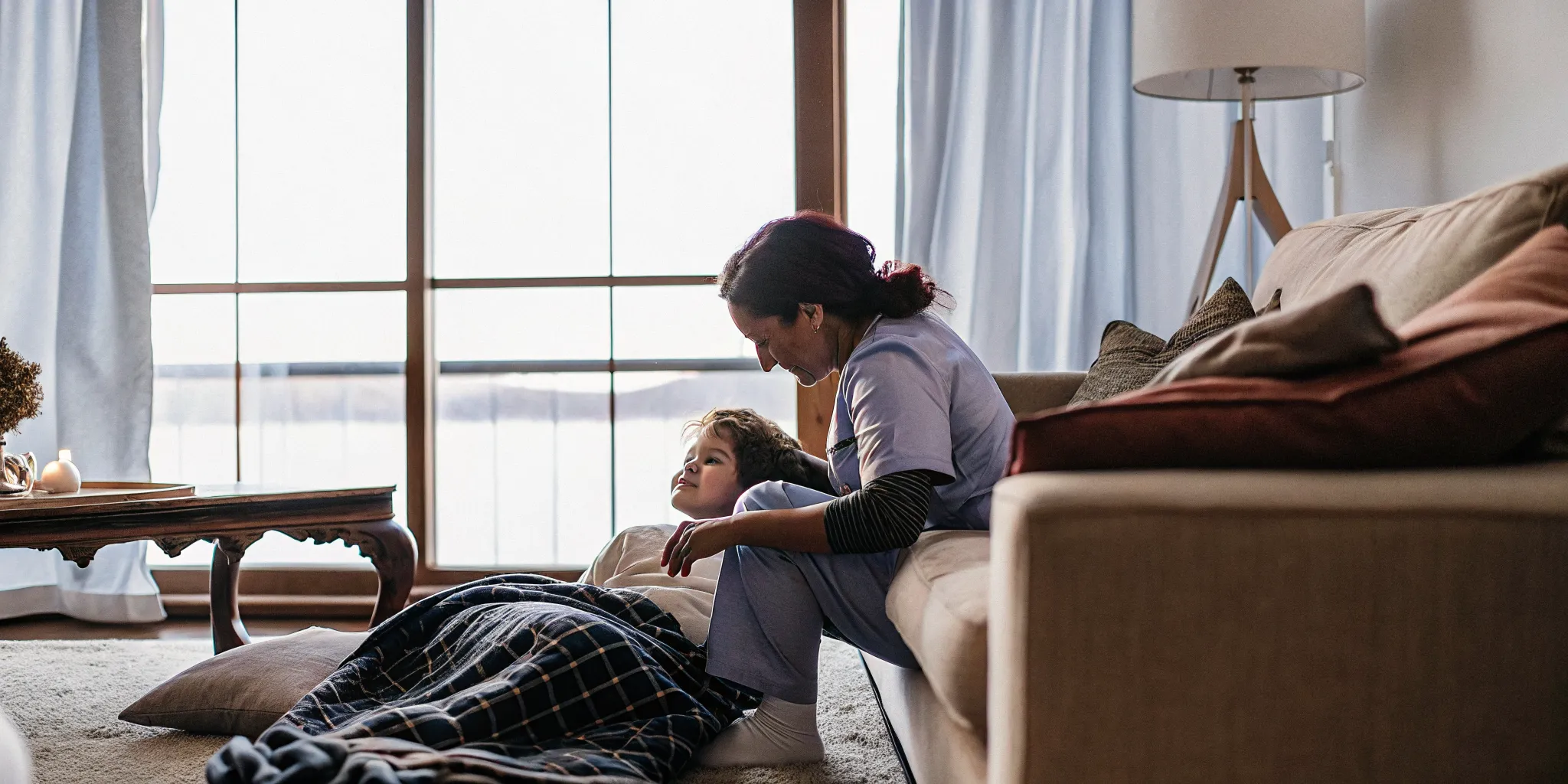
Physical and mental changes are frequent after a TBI. A child might have trouble with balance, motor skills, or memory. Nurses assist with range-of-motion exercises and help prevent falls by supervising all movement. They also track behavioral changes like mood swings or shifts in focus. Documenting these details is a key part of our clinical process, helping the medical team adjust the care plan as the child makes progress in their recovery journey.
How Does GAPP Cover Traumatic Brain Injury Home Nursing for Children in Georgia?
The Georgia Pediatric Program (GAPP) gives vital help to families after a child has a brain injury. Through this state plan, families get traumatic brain injury home nursing children Georgia at NO OUT OF POCKET COSTS. Since the program is fully paid by Georgia Medicaid, there are no fees for your family to pay. Call us today at (912) 446-5838 to start the intake process now.
GAPP Rules and Skilled Nursing Needs
To get home nursing, a child must be under 21 years old and live in Georgia. The child must also be in Georgia Medicaid and have a medical need for a nurse. For children with a traumatic brain injury (TBI), this often means help with monitors or complex medical gear. You can learn more about the Georgia Pediatric Program (GAPP) to see if your child can get these benefits.
The application steps are fast for families who need help. Once a pre-qualified person sends their forms, the 30-day approval time starts. Greater Living Home Care has a 95% approval rate for those who meet the basic rules. This high rate helps parents feel sure that their child will get care fast. The Georgia Department of Community Health sets these rules to ensure good care for every child.
Flexible Care Without Long-Term Contracts
A great part of this plan is how it can change with you. Families do not need to sign long-term contracts or stick to one plan for years. Care hours can be as short as one hour or as long as 24/7 nursing. This lets the care plan change as the child gets better. It is smart to learn how the GAPP program works when you pick how much help you need.
Unlike other state aid, GAPP does not make families wait for a waiver slot to open. Once you are approved, you can start to find a nurse who knows how to help with TBI. This means children can often leave the hospital sooner. Their care is ready for them at home. The program keeps families together while giving the best medical help to the child.
Nursing Support for Cognitive and Physical Rehabilitation at Home
Home nurses play a big role in the care of a child after a brain injury. In traumatic brain injury home nursing children Georgia, the goal is to bring expert care to the home. This care looks at two main parts: the mind and the body. By working in the home, a nurse can see how a child acts in their own space. This helps the nurse spot small changes that might be missed in a clinic. Skilled nursing makes sure that the child stays safe while they work to get their skills back.
Helping with Memory and Focus
A brain injury can change how a child thinks and acts. Nurses help with mind care by watching for changes in memory and how the child focuses. They keep track of how the child follows simple tasks. If the child seems confused or has a change in mood, the nurse writes it down right away. These notes are vital for the rest of the care team. Nurses also help the child play memory games or follow a set daily plan to build new habits.
Working with others is another big part of the job. The nurse works closely with speech and hand therapists to make sure the child hits their goals. Between therapy hours, the nurse helps the child use the tools they learned in rehab. This team approach is common for many conditions that qualify for GAPP in the state. By giving this constant support, the nurse helps the child make gains in their healing.
Physical Care and Safety at Home
Physical healing often takes a long time after a brain injury. Nurses give hands-on help with simple limb moves. These moves keep joints loose and stop muscles from getting too tight. The nurse also helps the child move from a bed to a chair or walk small steps. Safety is the top focus during these times. Since falls are a big risk, the nurse checks the home for dangers and stays close to the child to prevent any slips.
For children who have stiff muscles, the nurse helps with how they sit or lie down. They use pillows or braces to keep the body in the right spot. This stops pain and helps the child rest better. The nurse also watches how well the child moves their arms and legs each day. They tell the therapist so the care plan can be changed. This daily work at home is a vital part of the healing process.
Working with Georgia State Programs
Georgia has specific rules and programs to help families with TBI. The traumatic brain injury home nursing children Georgia network often works with state groups. For example, the Georgia Department of Community Health runs programs that check TBI centers and care rules. These groups make sure that home nursing meets high quality marks. Nurses help parents use these state tools so the child gets all the help they need.
Working with these state programs makes sure that the care is both safe and good. The nurse acts as a link between the family and the state rules. They make sure all paperwork is right and that the child meets the medical needs for care. This takes a big load off the parents’ shoulders. With a skilled nurse in the home, families can focus on their child’s growth rather than hard state forms.
Working with a Pediatric Home Nurse After Hospital Discharge
Moving a child from the hospital to the house is a big step for any family. When a child has a brain injury, they often need expert care at home to stay safe. Greater Living Home Care helps this move go well by providing skilled traumatic brain injury home nursing children Georgia families can trust. Our team follows a clear plan to make sure your child gets the help they need right away.
Initial assessment and care planning
The first step is a quick phone call to talk about your child’s needs. We look at the nursing tasks they need, such as seizure monitoring or help with medical gear. Then, our staff creates a custom plan just for your child. This plan follows rules from the Georgia Department of Community Health to ensure high quality and safety at every turn.
Caregiver matching and clinical oversight
We match your family with a nurse based on three main factors. We look at the nurse’s clinical skills, your child’s interests, and how well their personalities fit together. This process helps your child feel at ease while getting the best support. Dr. Tiffany Murphy leads our clinical team to make sure every nurse meets our high standards for TBI care.
- Initial Phone Call and Assessment: We talk with you to find out what help your child needs and check their medical status.
- Custom Care Plan Development: Our team builds a unique plan that focuses on your child’s recovery goals and daily health needs.
- Caregiver Matching: We pair you with a nurse who has the right skills and a personality that fits your home life.
- Ongoing Care Supervision: We use unannounced visits to check on care quality and make sure the plan is working well for you.
Our goal is to make home care easy and helpful. If you have questions about the next steps, you can learn more about caring for a child with a traumatic brain injury at home through our guides. We are here to help your child thrive while they recover in the place they know best.
Long-Term Home Nursing Planning for Children with TBI
Planning for the long-term needs of a child with a brain injury needs a high level of flexibility. Recovery from a brain injury can take a long time. Your family needs may change as your child grows and heals. Greater Living Home Care provides traumatic brain injury home nursing children Georgia families can adjust at any time. We do not use long-term contracts. This means you can change or stop your nursing services at any time without a penalty.
Flexible care hours and staffing
Each child has a unique recovery path. They may need different levels of help over time. We offer many choices for your schedule. These range from a 1-hour visit to full 24/7 care. This range lets you get the exact amount of help your child needs at each stage. If a nurse is not the right fit for your home, you can ask for a change. We want to make sure your child and family are happy with the team in your home.
Our clinical team helps you manage caring for a child with a traumatic brain injury at home as needs change. This support ensures that your child always has the right nursing care. Since these services are part of the Georgia Pediatric Program (GAPP), families in Georgia can get this care with no out-of-pocket costs.
Quality and nursing supervision
To keep care standards high, our Registered Nurses (RNs) make unannounced visits to your home. These visits help us make sure that the care plan is being followed. They also ensure your child is safe and well-supported. Our team gives you access to nursing notes in real time. This means you always know what is happening during a shift. This open flow of data helps parents stay informed and involved in every clinical choice.
If you have questions about program rules, you can find more answers in our FAQ section. The Georgia Department of Community Health sets the official rules for TBI services across the state. By following these strict state rules, we provide care that meets high medical standards for children with complex needs in Georgia.
Frequently Asked Questions
Does Georgia Medicaid pay for home nursing after a child’s brain injury?
Yes. In Georgia, the Georgia Pediatric Program, or GAPP, pays for in-home skilled nursing for children with a brain injury. This program is for children under age 21 who have Georgia Medicaid and a medical need for care. There are no out-of-pocket costs for families who qualify. According to the Georgia Department of Community Health, the state runs many programs that help children get the care they need at home.
Can my child get 24-hour home nursing for TBI recovery in Georgia?
Yes. Your child can receive anywhere from a few hours a week to 24-hour care each day. The amount of help depends on your child’s health needs and doctor’s orders. This type of skilled care covers tasks like watching for seizures and tracheostomy care. According to the BrainLine website, Georgia centers offer many services to help people with brain injuries live safely at home.
How long does it take to get GAPP nursing approval for a TBI?
The process for GAPP nursing care often takes about 30 days. Most families who work with a skilled agency see a 95 percent approval rate for their forms. You do not need to wait for a special waiver to start this process. Greater Living Home Care helps families by doing a phone check and making a custom care plan. This plan shows the state exactly why your child needs skilled nursing help to stay safe.
Who provides the actual medical care for children with TBI at home?
Home care for children with traumatic brain injury is given by licensed medical staff. This includes Registered Nurses and Licensed Practical Nurses who handle complex care needs. Certified Nursing Assistants and Personal Care Assistants can also help with daily tasks and physical safety. The Brain Injury Association of Georgia has a helpline to help families find the right support for their child’s healing.
Ready to schedule a free consultation for home nursing?
Waiting for the right support after a brain injury can slow down your child’s recovery. Every day without expert care is a missed chance for them to reach their goals. It also puts a heavy load on you as a caregiver. Our team in Georgia helps you learn how the GAPP program works so you can get help as soon as possible. We work to get your child high-quality home nursing at no out of pocket cost to your family. Most families we help get their approval in about 30 days. You do not have to handle this journey on your own.
Ready to schedule a free consultation for home nursing? Call (912) 446-5838 to talk to a specialist.
