
GAPP Reassessment Georgia Pediatric Nursing Guide
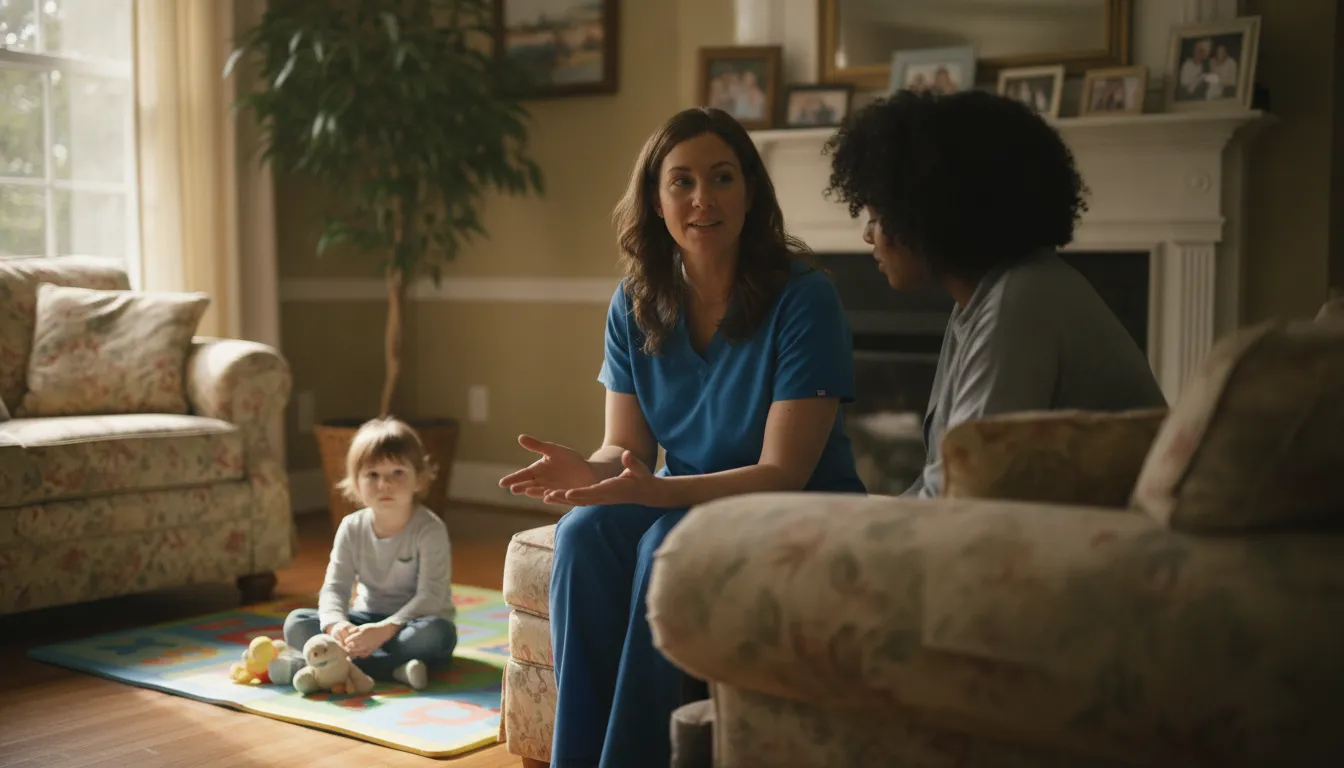
When a child’s daily care needs change, the details that seem routine at home can become important during a GAPP review. Families may notice new treatments, different safety concerns, or changes in how much support their child needs from skilled nursing.
A GAPP reassessment Georgia pediatric nursing review looks at the child’s current medical needs, daily care, and supporting documentation. It can help the care team organize an up-to-date clinical picture, but it does not guarantee continued eligibility, nursing hours, or authorization. Learn more about Georgia Pediatric Program (GAPP) services and confirm program decisions through the appropriate Medicaid process.
Preparing starts with separating what has changed from what has stayed consistent, then gathering clear examples that show how those needs affect care at home. That distinction helps families approach the review with focused questions and useful information.
What Is GAPP Reassessment Georgia Pediatric Nursing Meant to Clarify?
A GAPP reassessment is a structured review of a child’s current medical needs, daily care needs, and supporting information. It helps clarify whether the information on file still reflects the child’s situation and what care-plan context should be considered. It is not an automatic renewal, a promise of continued services, or a guaranteed authorization.
GAPP, the Georgia Department of Community Health program, serves eligible medically fragile children under 21. The program may support medically necessary skilled nursing care and/or personal care support. The official Georgia Medicaid GAPP overview also states that all GAPP services require prior authorization.
During a review, the relevant information may include current medical records, physician-directed care, changes in the child’s condition, and the practical support needed at home. Families may find it helpful to describe specific changes rather than relying on broad statements. For example, explain whether treatments, monitoring, safety concerns, or daily assistance have changed, and how those changes affect care at home.
This review should also distinguish two related but different questions. A clinical care-plan review considers the child’s needs and how care is organized. A Medicaid or GAPP eligibility and authorization decision must be confirmed through the appropriate program process. A reassessment does not by itself guarantee approval, continued eligibility, a specific number of nursing hours, or a particular result.
Families can learn more about Georgia Pediatric Program (GAPP) services and review broader information about pediatric home health care in Georgia. Current forms, timelines, submission instructions, and decision-making details should be verified with current Georgia Medicaid or GAPP program contacts. Eligibility and program decisions require confirmation through that process, not an agency promise.
What Changes Should Families Document Before a GAPP Review?
Start with a clear picture of what your child needs now, rather than relying on older records or memory alone. Gather current medical information and note meaningful changes in daily care, treatments, safety needs, routines, and caregiver observations. These details can help the care team understand the child’s individualized needs without assuming a particular program decision.
For a practical home-care checklist, families can also review how to prepare for a pediatric home nurse.
Current diagnoses, orders, and treatments
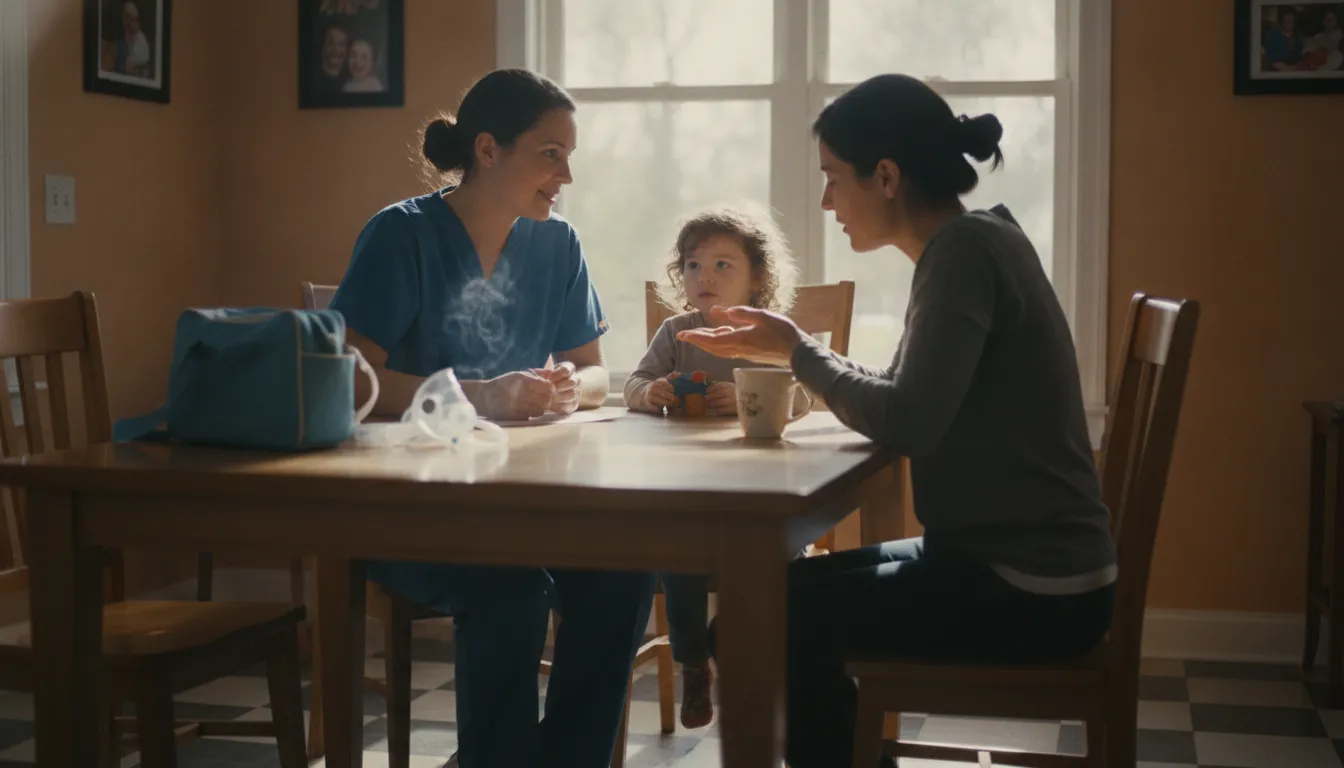
Organize recent diagnoses, physician orders, treatment changes, and instructions from the child’s care team. Note whether the child has new or changing needs involving tracheostomy or ventilator care, oxygen, feeding tubes, suctioning, or aspiration-risk monitoring. Do not interpret these details as proof of eligibility. They are background information for an appropriate review.
Daily care and safety changes
Describe what has changed at home. Examples may include more frequent assistance, added monitoring, changes in mobility or communication, difficulty with a routine, or new safety concerns. Specific observations are more useful than broad statements such as “care is harder.” When possible, record what happens, how often it happens, and what support is needed.
Caregiver, school, and routine observations
Include observations from parents and other regular caregivers about sleep, meals, medications, personal care, equipment, and transitions. If school attendance, transportation, classroom participation, or the daily schedule has been affected, write down how and when. Individual details may not appear in broader data, so a concise family record can help make the child’s lived experience visible.
Bring a short list of questions for the child’s care team and relevant program contacts. Confirm current forms, timelines, submission details, and decision-makers through official GAPP or Georgia Medicaid sources rather than assuming that a prior process still applies. A clinical care-plan discussion can inform preparation, but it does not guarantee authorization, continued eligibility, or a specific reassessment result.
Who Should Be Included in a Pediatric Nursing Reassessment?
The family is often the best starting point because caregivers see how a child’s needs change across the day, night, home, and community settings. Families can invite the clinicians and other supports who understand the child’s current care, but there is no single attendance list that applies to every reassessment. The goal is to bring together the people who can explain current needs clearly and identify questions that require confirmation.
Start with the family and clinical team
Parents or guardians can organize the discussion and share observations about daily routines, treatments, safety concerns, and changes since the last review. The child’s physician and other relevant clinicians may help clarify diagnoses, orders, or changes in treatment. Depending on the child’s situation, the nursing agency may also contribute documentation about individualized care and ongoing clinical oversight.
That agency role is distinct from the program decision itself. A clinical care-plan review considers how care is organized around the child’s needs, while Medicaid or GAPP contacts handle questions about program requirements, authorization, and related decisions. Families should confirm forms, timelines, submission details, and decision-makers with current official sources rather than assuming that a clinician or agency can answer every program question.
Include school and program contacts when relevant
If the child receives support at school, families may want to coordinate with the appropriate school-based staff, subject to the family’s permissions and the school’s process. The Centers for Disease Control and Prevention explains that chronic-condition care can involve both daily management and potential emergencies, and that in-school services are critical for helping students stay healthy and ready to learn. Those considerations may help families identify useful questions about consistency between home and school routines without turning the reassessment into a school evaluation.
Families can also write down questions for relevant GAPP or Georgia Medicaid contacts. Greater Living’s RN care-plan oversight can help explain the clinical coordination role, while official program contacts remain the appropriate source for current authorization or eligibility information. This shared approach supports coordinated, individualized care without promising a particular reassessment result.
CDC guidance on chronic conditions and school health
What Records and Questions Should You Prepare?
Thoughtful preparation can help your family describe your child’s current needs clearly. Start with information that reflects day-to-day care, then verify the current GAPP requirements with official Georgia Medicaid or program contacts.
- Gather current medical information. Collect relevant physician orders, recent clinical notes, medication information, treatment instructions, and other records that explain the child’s present care needs. The official GAPP overview says eligible members should currently receive physician-ordered services, but families should confirm how that guidance applies to their situation.
- Describe what has changed. Note changes in symptoms, treatments, equipment, safety concerns, or the amount of assistance your child needs during ordinary routines. Use specific examples rather than broad descriptions, such as changes in supervision, feeding support, suctioning, or other skilled care.
- Separate observations from decisions. Write down what your family and care team observe, while remembering that a clinical review of a care plan is not the same as a Medicaid or GAPP authorization determination. A nursing agency can help organize clinical information, but it does not guarantee the program’s decision.
- Confirm the submission pathway. The official overview states that requests are submitted through a Medicaid-approved GAPP nursing agency. Because forms, timelines, decision-makers, and submission details can change, confirm each requirement through current official contacts before relying on it.
- Keep a question record. Save the names or roles of the people contacted, the date of each conversation, and any follow-up requested. This creates a practical reference without assuming a fixed deadline or outcome.
Questions to ask before you submit information
- Which current records and physician orders should our family provide?
- Who can confirm the current GAPP reassessment requirements and submission process?
- Which parts of the discussion concern the clinical care plan, and which concern Medicaid or GAPP authorization?
- Where should we direct questions if the official guidance or our child’s needs are unclear?
The official GAPP overview provides program context, including physician-ordered services and Medicaid-approved GAPP nursing agencies. For a separate discussion of hours, see the GAPP nursing hours assessment, rather than treating that guidance as a substitute for reassessment preparation.
How Can a Reassessment Affect a Child’s Care Plan?
A reassessment may give the family and clinical team an opportunity to compare the child’s current needs with the existing care plan. The discussion can focus on what care is being provided now, what has changed, and whether the written plan still describes the child’s daily routines and safety needs. Greater Living emphasizes individualized care plans, clinical oversight, and documentation, but a clinical review does not guarantee a particular update.
Families may want to organize clear observations about skilled tasks, such as tracheostomy management, ventilator or oxygen support, feeding-tube care, suctioning, or aspiration-risk monitoring. The goal is not to predict an outcome. It is to help the team understand the child’s current situation and identify questions that need clinical follow-up.
| Review area | What to organize | Question to ask |
|---|---|---|
| Current clinical needs | Recent changes in symptoms, treatments, equipment, routines, or skilled nursing tasks. | Does the care plan accurately describe the child’s current clinical needs? |
| Safety planning | Known risks, warning signs, emergency steps, and situations that require caregiver or nursing support. | What safety instructions should be clarified or reviewed with the care team? |
| Caregiver observations | Patterns noticed at home, difficult parts of daily care, and changes in the child’s tolerance or response. | Which observations should be documented or discussed with the clinician? |
| Documentation and follow-up | Current medical information, physician orders, care notes, and unresolved questions. | Which records or next steps should be confirmed with the appropriate program contact? |
This clinical care-plan conversation is separate from a Medicaid or GAPP eligibility, prior-authorization, or service determination. The official GAPP program overview explains the program’s authorization framework, but current forms, timelines, submission details, and decision-makers should be confirmed through current official sources. A family can also review pediatric home health care in Georgia to understand the broader in-home care context.
Greater Living can help organize clinical information as an in-home pediatric nursing agency, but it does not control or guarantee a Medicaid or GAPP determination. Any plan revision and any program decision must be confirmed through the appropriate clinical and Medicaid/GAPP processes.
What Happens After the GAPP Reassessment?
After the reassessment, write down what was discussed while the details are still fresh. Record questions about the information reviewed, any follow-up requested, the next contact to expect, and whether you need to provide updated medical records or other documents. If a form, deadline, reviewer, or submission step was mentioned, confirm it with the appropriate official GAPP or Georgia Medicaid contact before relying on it.
Keep the follow-up notes with your child’s current care information. The GAPP overview states that services require prior authorization, but the reassessment conversation itself is not a guarantee of approval, continued eligibility, nursing hours, or a particular result. Current program guidance should control questions about authorization and documentation. Review the official Georgia Medicaid GAPP overview for program-level information.
Separate clinical recommendations from program decisions
Your child’s clinician or nursing team may recommend changes based on current symptoms, treatments, safety concerns, or daily care needs. An agency may help organize clinical information, update an individualized care plan, and explain what documentation describes the child’s needs. Those clinical recommendations are different from a Medicaid or GAPP authorization decision.
Eligibility and program decisions require confirmation through the appropriate Medicaid/GAPP process. Greater Living Home Care provides in-home pediatric services and does not control or guarantee the determination. If you need background on the initial application and review pathway, read the Georgia GAPP approval process. That resource addresses initial approval; this article focuses on what families can organize after a reassessment.
Contact Greater Living Home Care to discuss your family’s next questions, or call (912) 446-5838.
Frequently Asked Questions
What is GAPP?
The Georgia Pediatric Program (GAPP) is a Georgia Department of Community Health program for eligible medically fragile children under 21. It may support medically necessary skilled nursing and/or personal care services. Read the official Georgia GAPP overview for program information, and confirm a child’s circumstances through the appropriate Medicaid and GAPP process.
What should families prepare for a GAPP reassessment?
Gather current medical information, physician orders, care-plan materials, and a practical description of changes in your child’s daily needs. Include treatments, safety concerns, caregiver observations, school-related considerations, and questions about coordination. Examples may include tracheostomy or ventilator care, oxygen, feeding tubes, suctioning, or aspiration-risk monitoring, when applicable to your child.
Does a GAPP reassessment guarantee continued services?
No. A reassessment does not guarantee continued eligibility, authorization, nursing hours, or a particular result. It reviews current information, while program decisions and service authorization must be confirmed through the appropriate Medicaid and GAPP process. The official overview states that GAPP services require prior authorization.
Who can confirm current GAPP requirements?
Confirm current requirements, forms, submission details, and decision-related questions with Georgia Medicaid, the Georgia Department of Community Health, or the appropriate Medicaid-approved GAPP nursing agency. A pediatric care team or nursing agency can help organize clinical information and explain care-plan considerations, but it does not control the program determination.
Contact us about your next GAPP questions
A reassessment can raise practical questions about current needs, care-plan information, and coordination. Greater Living Home Care can help your family discuss pediatric nursing support and identify questions to bring to the appropriate GAPP or Georgia Medicaid contacts. Contact us to talk with Greater Living Home Care, or call (912) 446-5838 using the number shown here. Program decisions and authorization remain with the appropriate reviewing process.
