
How to Prepare for a Pediatric Home Nurse at Home
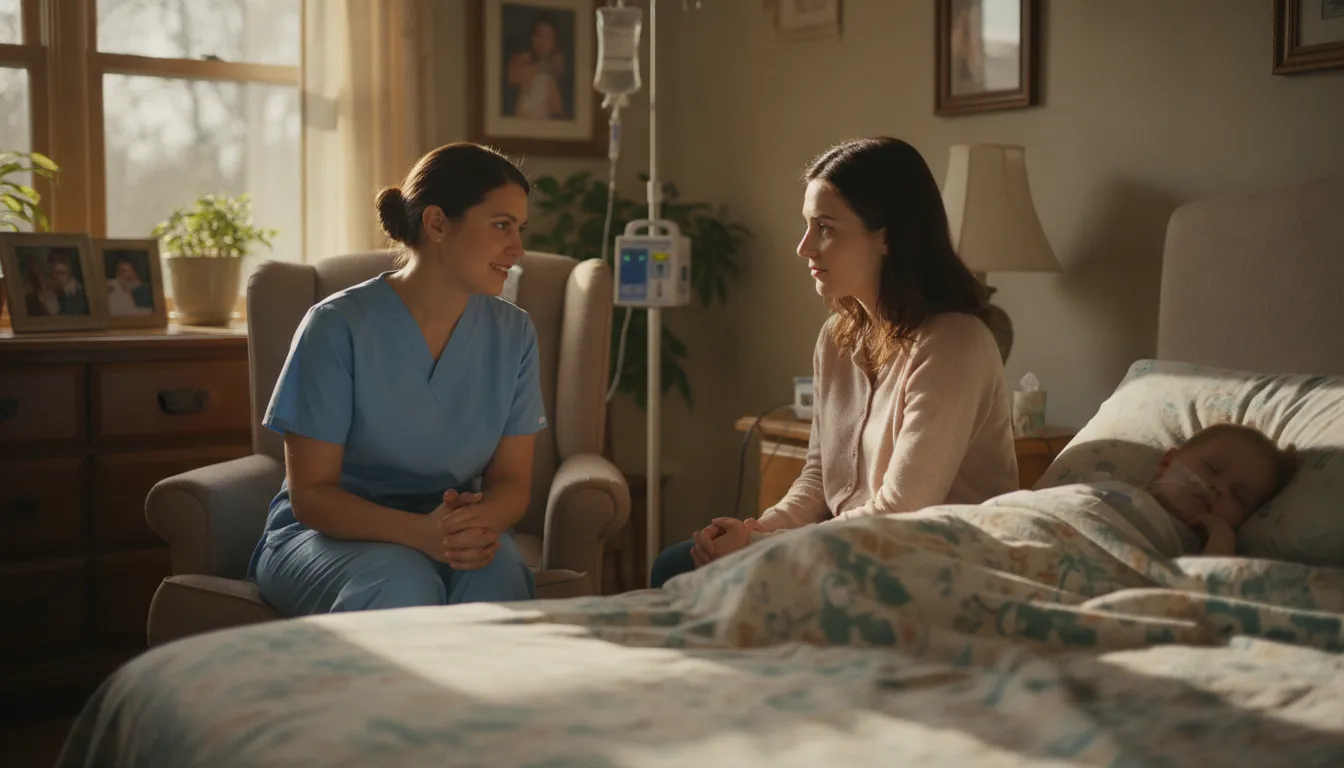
When skilled nursing moves into the home, everyday details matter: where the nurse can work, how your child’s routine usually unfolds, and who to contact with questions. You do not need to make the home look clinical; a clear, workable space and a conversation with the care team are a useful place to start.
To prepare for a pediatric home nurse, organize a comfortable area, gather the current care plan and important contact information, and note your child’s routines and family preferences. Confirm equipment setup, supplies, and safety procedures with the clinical team rather than guessing at medical instructions.
Every child’s needs are different, so preparation should support an individualized plan, not replace it. Greater Living Home Care explains its approach to pediatric home health care in Georgia. Understanding the nurse’s role can help families decide what to prepare and which questions to bring to the care team.
What Does a Pediatric Home Nurse Do During In-Home Care?
A pediatric nurse brings clinical care into a child’s home, with responsibilities shaped by the child’s needs and care plan. Depending on the service, a nurse may assess the child, give prescribed medications, monitor health, provide specialty treatments, or teach a family about care. The specific tasks vary by provider and service type, so families should confirm what is included in their child’s plan with the care team.
For example, registered nurses (RNs) and licensed practical nurses (LPNs) may provide medication administration, tube feeding, health monitoring, respiratory care, or ostomy and catheter care, depending on their scope and the plan. These are skilled nursing activities because they involve clinical training and care decisions. Routine support, such as help with bathing, dressing, or mobility, is a different kind of assistance and may be provided through personal care services. The roles and services available can vary by location and provider. The American Academy of Pediatrics’ overview of pediatric home health roles explains common provider types and tasks.
In a coordinated agency model, clinical staff develop an individualized plan with input from the family and help oversee care. At Greater Living Home Care, RNs handle care coordination and clinical oversight rather than simply matching a family with an independent nurse. The plan helps guide the care team while reflecting the child’s situation; home nursing is not a one-size-fits-all checklist.
Research on pediatric home health care describes the process as identifying needs, considering care options, developing a plan, starting services, and adapting as needs evolve. It also identifies communication, coordination, skilled providers, and the parent-provider relationship as important foundations. The review of pediatric home health care underscores why a family’s knowledge of the child’s routines and needs matters alongside clinical expertise.
This individualized approach also shapes what is useful to prepare at home. A nurse may need to carry out tasks in a particular space or work around the child’s established routines, but the appropriate setup depends on the care plan. Understanding how pediatric home nursing roles differ can help families frame questions about who will provide care and how coordination works.
How Can You Make a Safe, Comfortable Space for a Pediatric Nurse?
A useful care space does not have to be a separate room or look like a clinic. Start with what helps your child and the nurse move through the care routine comfortably. A clear path to the child and the areas used during care can make it easier to bring in needed items and reduce everyday obstacles. Think about mobility equipment, doors, and the family’s normal routines, then ask the nurse or clinical team whether the arrangement works for your child’s plan.
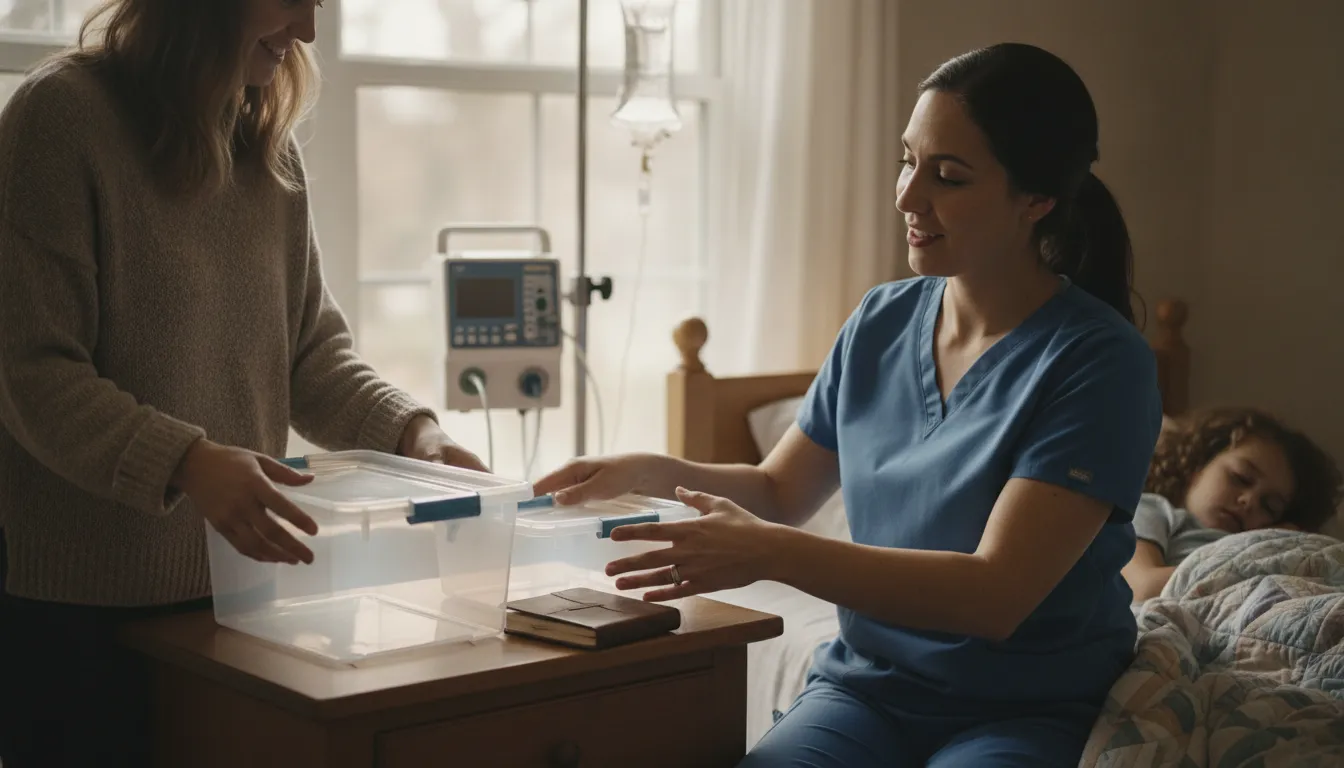
Agree on a comfortable, accessible place for care-related conversations and tasks. Depending on your home and your child’s needs, this might be beside the child’s usual care area or at a nearby table. Consider lighting, seating, privacy, and whether a caregiver can stay close. These are practical options to discuss, not agency requirements. The right setup may change with your child’s routines or equipment, so keep the conversation open rather than trying to make the home fit a fixed checklist.
Ask where supplies should be kept so family members and the nurse can find them without searching. A basket, shelf, or drawer may help group items already identified in the care plan. Keep household items separate if that makes the area easier to use, and confirm with the team how any medical equipment or supplies should be stored or positioned. Do not adjust equipment placement or setup based on a general article; follow the child’s instructions and confirm questions with the nurse.
For everyday cleanliness, the CDC says regular cleaning of household surfaces helps remove germs, dirt. And other impurities; disinfecting is not usually needed unless someone in the home is sick. Follow the product label for the surface, and ask the child’s nurse or care team about any additional cleaning guidance specific to the child’s needs. This general household advice is not an infection-control plan. Read the CDC’s guidance on when and how to clean and disinfect your home.
If nursing begins after a hospital stay, your home setup is just one part of the transition. You may also find it helpful to review this guide to pediatric home care after hospital discharge, then bring any questions about space, supplies, or routines to the child’s care team.
How to Prepare Your Home for a Pediatric Home Nurse: A Practical Checklist
A little preparation can make the first conversations easier and help the nurse understand how your household works. Treat these ideas as a starting point, not a clinical checklist or a set of agency requirements. Your child’s care team should guide any decisions about medical equipment, safety procedures, or care tasks. Research on pediatric home health care identifies early planning and communication between families and providers as important parts of the process (pediatric home health care planning review).
- Make the arrival and work area manageable. Choose a practical area where the nurse and your child can talk or work comfortably. Move everyday clutter from the route to that space, and consider whether a chair, mobility aid, or other household item needs room. You do not need to reorganize the entire home or make structural changes just because nursing care is starting. If you are unsure what space is needed, ask the nurse or care coordinator.
- Gather the information you already have. Put the current written care plan and relevant contact details in a place you can find easily, whether on paper or in a secure digital location. Include the best way to reach the child’s parent or guardian and any existing instructions from the child’s clinicians. Do not create a substitute plan or change written medical directions. If a document seems outdated or conflicts with what you have been told, flag it for the care team to clarify.
- Write down your child’s usual routines and preferences. Note the rhythms that matter to your family, such as when your child is most comfortable. How they communicate preferences, and what helps make a new interaction feel familiar. Share what you know about the child’s day in your own words. These details give the nurse a fuller picture of the household and make space for a two-way conversation about care.
- Prepare questions before the visit. Keep a short running list so you do not have to remember everything at once. You might ask who to contact with a non-urgent question, how updates will be shared, and which topics need to be reviewed together with the clinical team. Save questions about equipment, emergency procedures, or medical tasks for the nurse and the child’s clinicians rather than relying on general online advice.
- Agree on where supplies belong. Before moving or arranging any care-related supplies, ask the nurse which items should stay accessible and where the family can store them. A simple agreed location can help household members find things without guessing. Follow the care team’s directions for any item that requires special handling, and mention space or storage concerns early.
Preparation does not need to be perfect. A clear path, useful notes, and honest questions are enough to begin a practical conversation tailored to your child and home.
What Should You Discuss With the Nurse Before Care Begins?
Before the first visit, it can help to turn uncertainties into questions for your child’s nurse and clinical team. Home equipment teaching, delivery, and setup may be part of some agencies’ planning, but arrangements differ. Ask who will explain the equipment your child uses, whether any delivery or setup needs coordination, and how its placement should fit the written care plan. Johns Hopkins Medicine notes that care plans can adjust as treatment needs change, so ask how updates will be shared and which version your family should refer to.
- Equipment and setup: Where should each item be kept, and who will review its setup and use with our family? Are there specific space or access considerations for our child’s equipment?
- Power and backup: Which equipment needs power, and what backup arrangements, if any, should we discuss for our child’s specific plan? Who can answer questions about those arrangements?
- Emergencies: What situations are covered by the written emergency plan? Whom should we contact, and where can we find the current instructions? Ask the clinical team to explain any steps that apply to your child rather than relying on general advice.
- Infection prevention: What cleaning, hand hygiene, or other infection-prevention practices should visitors and household members follow around this care? Are there child-specific precautions the nurse wants everyone to understand?
- Supplies: Which supplies are part of the care plan, where should they be stored, and whom should we contact if something is running low or missing?
- Household routines and visitors: What routines help your child feel comfortable during care? Should we discuss pets, visitors, or household activity with the nurse, and are there preferences to record in the plan?
- Communication: Who is the best contact for routine questions or a change in your child’s needs? How should the family share updates, and where will the current care-plan information be kept?
You can also ask how the planned visit times may fit around sleep, school. Therapies, or other regular activities, and what the family should do if a routine changes. The goal is not to make the household follow a rigid schedule. It is to let the clinical team understand what matters in your child’s day and discuss workable arrangements.
You do not need to have every answer before asking for care. Sharing your family’s routines, concerns, and what has worked for your child can help the team discuss a plan that fits the home. A pediatric home nurse’s work and visit schedule are guided by the child’s needs and physician’s medical orders, and care plans may change over time. Confirm any clinical, equipment, or emergency detail with the child’s care team and current written plan, not a general checklist.
How Do Georgia Medicaid and GAPP Shape Home Nursing?
Preparing your home is a family-centered process, but it is separate from deciding which services a child may receive. Georgia’s Pediatric Program (GAPP) serves eligible children under 21 who are medically fragile and need medically necessary skilled nursing and/or personal care. The program overview also states that services must be physician-ordered and receive prior authorization through a Medicaid-approved GAPP Nursing Agency. These rules describe the program framework, not a guarantee that a particular child or service will be approved. Read the Georgia Department of Community Health’s GAPP overview for the source details.
Families can still prepare by sharing what they know about the child’s routines and discussing practical arrangements with the nurse. The distinction below can help keep household planning collaborative while directing medical and program questions to the appropriate care team.
| Household preparation | Clinical and program decisions |
|---|---|
| Plan collaboratively. The family and nurse can discuss the child’s usual routines, where care-related items are kept, and what would make the home arrangement workable. Share questions and preferences so the nurse can coordinate with the child’s care team as appropriate. | Follow the care team and GAPP process. Medical need, physician orders, the services requested, and prior authorization are handled through the child’s clinical and GAPP process. A household conversation cannot establish eligibility or approval. |
| Prepare information, not medical instructions. Families may gather relevant care-plan information and identify topics to clarify, including equipment placement or supplies. Confirm any setup or care directions with the child’s clinician and written plan. | Confirm the approved plan. The child’s care team and Medicaid-approved GAPP Nursing Agency can address how physician-ordered services and authorization apply. Ask them to clarify the plan rather than assuming a particular service or schedule. |
If you are learning how in-home nursing fits into the broader care picture, explore pediatric home health care in Georgia. You can also review information about Georgia Pediatric Program (GAPP) services. These resources can help you prepare questions for a conversation with your child’s care team; they do not replace a program determination or individualized clinical guidance.
How Can Families Build a Clear Nurse-Family Routine?
A predictable communication routine can help parents and a pediatric home nurse stay aligned while leaving clinical decisions with the care team. Start with a shared, easy-to-find place for practical information: the current written care plan. The family’s preferred contact method, and questions to discuss with the nurse or supervising clinical team. Research on pediatric home health identifies communication, coordination, and the parent-provider relationship as important foundations of care (pediatric home health care review).
Keep a simple schedule of the child’s usual rhythms and household preferences, such as school or therapy times, sleep patterns, and who should be contacted about routine updates. Treat it as a conversation aid, not a substitute for the authorized nursing schedule or care instructions. The number and length of visits are personalized to a child’s needs and physician’s medical orders, and care plans may change as those needs evolve (Johns Hopkins overview of pediatric home health care).
Agree on a handoff that works for your family and the nurse. At a shift change or visit, share observations, questions, and any practical changes at home that could affect the routine. Ask what should be documented, who will review it, and how the family can access care notes. If something about the child’s condition or care needs changes, tell the nurse and follow the care team’s direction. Do not change medication, equipment settings, treatments, or other clinical instructions on your own; request clarification and have the authorized team update the written plan when appropriate.
A contact sheet can reduce guesswork during a busy day. With the clinical team, confirm which number to use for routine questions, who handles scheduling, and which clinician or service to contact for urgent concerns. Keep the contact details and the latest care-plan version accessible to the family members who help with care, while following the family’s privacy preferences.
Families preparing for a return home from the hospital may also find this guide to pediatric home care after hospital discharge useful. Discharge planning focuses on the transition from hospital to home; the routine described here supports ongoing communication once home nursing is in place.
Frequently Asked Questions
What should I have ready before the first nursing visit?
Keep the current care plan, important contact information, and any routine notes the nurse should know in an easy-to-find place. You can also identify a comfortable, accessible area for care and make a short list of questions. Ask the clinical team what information they need; there is no universal household checklist.
Should I set up or move medical equipment before the nurse arrives?
Do not change equipment settings or move essential devices based on general advice. Ask the child’s care team where equipment and supplies should stay, whether power or backup arrangements need review, and who will explain setup. The family and nurse can agree on practical storage that follows the child’s written plan.
Who should be home during a nursing visit?
Confirm attendance and handoff expectations with the care team before services begin, since they depend on the child’s plan and the visit. Tell the nurse who knows the child’s routines, how the family prefers to communicate, and how to reach the appropriate caregiver if plans change.
Does Georgia GAPP guarantee a specific amount of nursing care?
No. Georgia’s Pediatric Program serves eligible children under 21 who are medically fragile and need medically necessary skilled nursing and/or personal care. Services require prior authorization through a Medicaid-approved GAPP Nursing Agency, so eligibility and approved services must be confirmed for each child. Georgia DCH GAPP overview.
Contact Us to Discuss Your Child’s Home Nursing Needs
Talking through your child’s routines, home setup, and questions with the care team can help you identify what to review together. Contact Greater Living Home Care to discuss your child’s in-home nursing needs and next steps. You can also call (912) 446-5838.
