G-Tube Care at Home for Children Georgia Families Trust

A gastrostomy tube provides needed food for children who cannot swallow safely. This device allows medically fragile children in Georgia to grow and thrive at home. Managing this care alone can feel hard for even the most dedicated parents.
Schedule a free GAPP consultation today to see if your child qualifies for no-cost G-tube nursing care at home in Georgia.
G-tube care at home for children in Georgia involves managing a gastrostomy tube to deliver food and medicine directly to the stomach. This expert service is needed for medically fragile children who have trouble swallowing. In Georgia, families can access this skilled nursing support through the Georgia Pediatric Program (GAPP) at no out-of-pocket cost. Home nurses help with daily tasks like tube site cleaning, pump use, and fixing clogs or leaks. This support allows children with complex needs to live safely at home rather than in a medical center. According to MedlinePlus, caregivers must clean the skin around the tube site up to three times per day to prevent infections. A trained nurse ensures these steps are followed while giving parents peace of mind. Learn more about our high-acuity pediatric home nursing services in Georgia.
Many parents feel anxious when they first bring a child home with a feeding tube. Understanding the basics is the first step toward building confidence. To help you, we will look at What Is a G-Tube and Why Do Some Children Need One? The path begins with
What Is a G-Tube and Why Do Some Children Need One?
A G-tube, or gastrostomy tube, is a feeding device surgically placed into a child’s stomach to deliver nutrition directly when they cannot safely eat by mouth. This tube provides a lifeline for children with swallowing disorders, neurological conditions, or chronic illnesses that make oral feeding risky or impossible.
A gastrostomy tube, or G-tube, is a soft, plastic tube that a doctor puts into a child’s stomach. Its main job is to give food and medicine to medically fragile children eligibility in Georgia when they cannot chew or swallow safely. A pediatric surgeon puts the tube in place during a short surgery. They make a small opening in the belly to reach the stomach. This tool ensures that kids get the energy they need to grow. You can learn more about this from the University of Chicago Medicine.
Common medical needs
Many health issues make it hard for a child to eat by mouth. Some kids have brain or nerve issues like cerebral palsy that affect how they swallow. Others may have heart problems that make them too tired to eat enough. Lung issues can also make it tough to breathe and eat at the same time. In these cases, a G-tube takes the stress out of mealtime. It helps a child get full meals without the risk of choking. It also keeps food from going into the lungs by mistake.
Short term and long term use
A G-tube can be a short-term or long-term tool. For some kids, it is a temporary help while they heal from a surgery or illness. Once they can eat enough on their own, a doctor can take the tube out. For others, the tube is a permanent part of their life. About 3 to 8 weeks after the first surgery, the long tube may be swapped for a small “button” like a MIC-KEY. This button sits flat against the skin and is easy to hide under clothes. According to MedlinePlus, this change happens once the site has healed.
Why home nursing helps
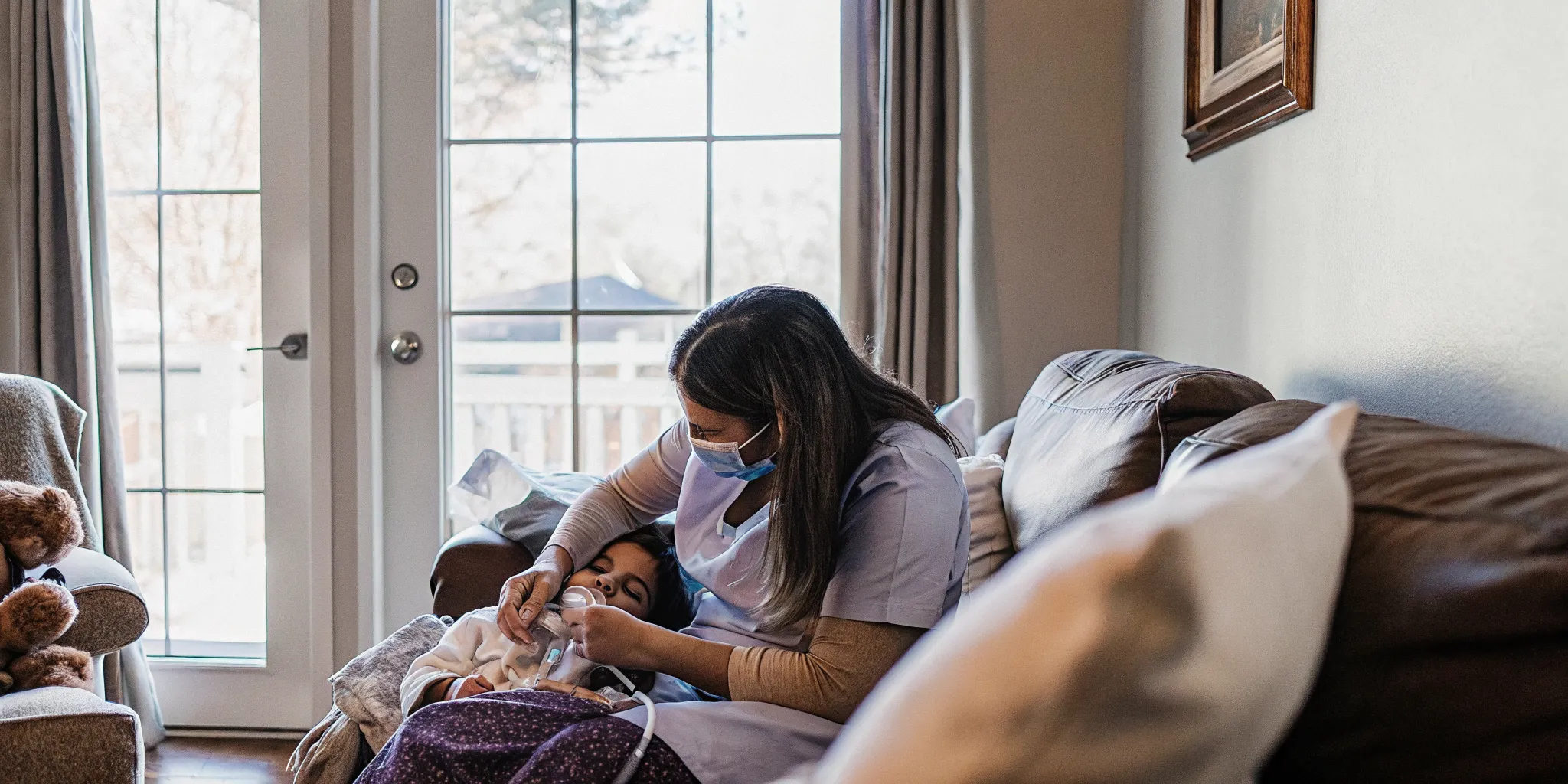
Taking care of a G-tube at home involves many steps. A child with a tube often needs 15 to 20 medical tasks each day. These tasks include cleaning the skin, checking the tube, and using a pump. This is why many families in Georgia use expert help. Greater Living Home Care focuses on high-acuity pediatric nursing to help with these needs. Our team works with parents to manage daily care. This keeps children safe and happy in their own homes.
How Does a Home Nurse Manage Enteral Nutrition?
A home nurse manages enteral nutrition by following a doctor-ordered feeding plan, operating the pump, monitoring the child’s tolerance, and keeping the tube site clean and infection-free. This skilled care ensures children receive proper nutrition while parents gain confidence and relief.
Managing food through a tube at home takes more than just turning on a pump. A skilled pediatric nurse helps your child get the right food while keeping the G-tube site safe. This expert help lets Georgia families focus on their child’s care while a pro handles the hard tasks.
- Tube feed preparation – Nurses warm formula to safe temperature and check for expiration before each feeding session.
- Positioning and monitoring – Children remain upright during feeds to prevent aspiration, and nurses watch for signs of discomfort.
- Site inspection – Every visit includes checking the stoma for redness, drainage, or irritation that could signal infection.
- Equipment maintenance – Pumps, bags, and syringes are cleaned and cycled per manufacturers’ guidelines to prevent bacterial growth.
- Parent education – Nurses teach families how to recognize early warning signs and manage routine care between visits.
Giving and checking feedings
Home nurses follow a set plan to give feeds and check how your child feels. During each meal, the nurse keeps the child in a safe spot. Most children should be sitting up in a high chair or held in a parent’s arms during the feed. If a child cries or fusses, the nurse can pinch the tube to stop the flow until the child is calm.
To make the meal feel good, the nurse will warm the food by taking it out of the fridge two to four hours before use. A typical feed lasts about 20 to 30 minutes. This is about the same time as a regular meal. Nurses use this time for talk and play to make mealtime a happy part of the day for the family.
Daily feeding steps
A daily plan helps stop germs and keeps the tools in top shape. Skilled nursing care supports the family by doing these steps with care.
- Clean the G-tube site. The nurse cleans the skin around the tube one to three times each day using mild soap and water to stop germs.
- Check the skin and tube. Any crust or fluid is gently wiped away, and the skin is patted dry with a clean towel.
- Change the pad. If your child uses a soft pad or gauze at the site, the nurse changes it each day or when it gets wet or dirty.
- Set up the pump. The nurse sets up the feed pump and makes sure all tools are ready for the set meal time.
- Wash the tools. After the feed, all tools are washed with warm, soapy water and hung to dry for the next use.
Pump care and parent support
Fixing pump issues is a big part of the enteral nutrition services given at home. Nurses know how to find and fix clogs or leaks that might stop a feed. This skill cuts stress for parents who are new to using medical tools for their child.
Beyond direct care, home nurses give training to help parents feel ready. They teach families how to handle common G-tube needs and manage the daily plan. This teaching ensures that parents feel sure about their child’s care while having a help team nearby in Georgia.
Common G-Tube Complications and What to Watch For
Common G-tube complications include skin irritation at the stoma site, tube clogs, leaks around the valve, and dislodgement. Early recognition of warning signs helps families prevent infections and avoid emergency room visits.
Managing a feeding tube at home can feel like a big job for families in Georgia. While most children do well with a G-tube, small issues can come up. Knowing the signs of a problem helps you keep your child safe. Skilled nurses help families spot these issues early during their daily visits.
Signs of Skin Irritation and Infection
The skin around the tube site is called the stoma. It is normal to see a small amount of clear or light yellow fluid. But skin redness, swelling, or pain can be a sign of a medical complication. To help prevent infection, you must keep the area clean and dry. Standard care rules say that daily site cleaning is the best way to stop germs from growing.
Families should avoid using creams, powders, or sprays around the tube unless a nurse says it is okay. These items can trap moisture or hurt the skin. If the site feels hot to the touch or if your child has a fever, call your care team fast. Experts at MedlinePlus advise that pain or bad smells at the site need quick medical help.
Handling Tube Clogs and Leaks
A clogged tube is a common issue that can stop your child from getting food or medicine. Clogs often happen if the tube is not flushed well after each use. Home nurses provide in-home nursing support for medically fragile children to help families fix these problems. They teach you how to flush the tube safely and what to do if food does not move.
Leaking around the tube can also occur if the tube is loose or if the skin is sore. While a tiny bit of leak is common, a large leak can cause skin sores. If the tube falls out, this is a medical emergency. You must contact your medical team or go to the hospital right away. This keeps the stoma from closing. Our nurses offer 24/7 support to help Georgia families manage these urgent needs.
Normal vs. Warning Signs: When to Call the Nurse
It helps to know what is normal and what needs a call to your team. Use this guide to help you check your child’s tube each day.
| Condition | Normal Sign | Warning Sign (Call Nurse) |
|---|---|---|
| Stoma Color | Pink or light red skin | Dark red or purple skin |
| Drainage | Small amount of clear fluid | Thick green, yellow, or bloody pus |
| Skin Texture | Smooth and dry skin | Swollen, crusty, or bumpy skin |
| Tube Placement | Snug and secure fit | Tube falls out or feels very loose |
| Child’s Comfort | No pain when touched | Crying or pulling at the tube site |
How to Coordinate G-Tube Care Between Hospital and Home
Coordinating G-tube care between hospital and home requires a structured discharge plan that includes equipment delivery, nurse assignment, caregiver training, and a written feeding protocol from the child’s medical team.
Moving a child with a G-tube from the hospital back to home can feel like a big task. It takes a solid plan to make sure your child stays safe and gets the right food. In Georgia, the transition is helped by expert teams who set up a safe home for your family. Great in-home nursing support for medically fragile children often starts before you even leave the hospital room. Our high-acuity pediatric home nursing team coordinates every step of the transition.
Discharge planning and clinical coordination
The work starts with a clear plan made by hospital staff and your home care team. They work together to make sure all tools are ready for your arrival. This includes feeding pumps, tubes, and formula. A nurse from the hospital will talk to the home care team to share facts about your child’s needs. This step helps stop any gaps in care when you get home.
The four-step intake process
Greater Living Home Care uses a clear path to help families start. This helps each child get a plan built for their own life. We follow these four steps to help you:
-
Free in-home assessment: A nurse visits your home to learn about your child’s health. They check your home and talk about what tools you need for medically fragile children eligibility in Georgia support.
-
Custom care plan: We build a plan based on the orders from your child’s doctor. This plan lists the feeding times and the steps our nurses will follow every day.
-
Caregiver matching: We find a nurse whose skills and style match your family. We look at their medical work and your daily schedule to find the best fit for your home.
-
Ongoing supervision: Our managers visit your home to check the quality of care. This ensures that the Georgia Pediatric Program (GAPP) care services your child gets stay at a high level.
Training for parents and caregivers
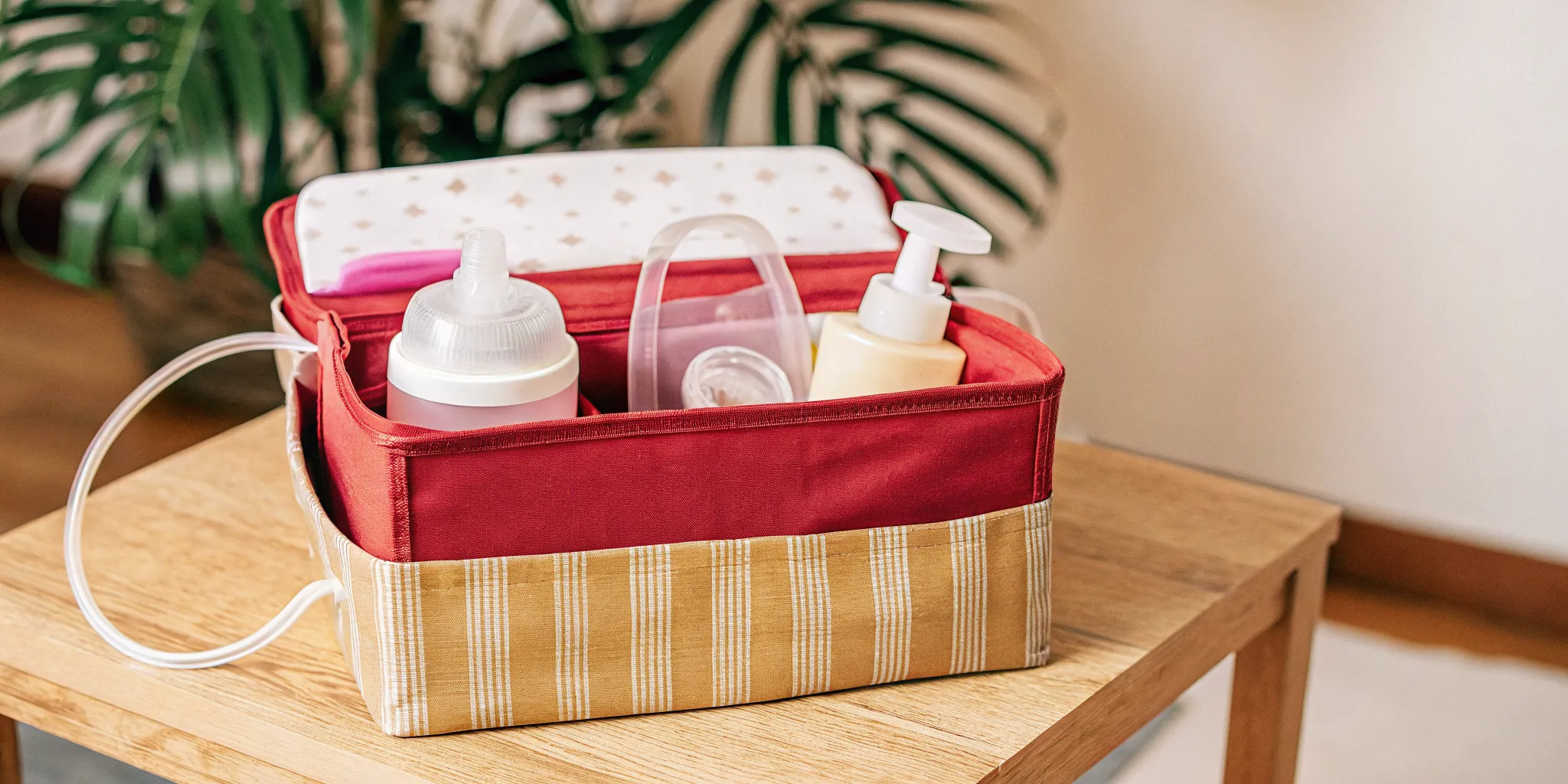
Many Georgia home care teams offer training to help parents feel ready to manage G-tube feedings. Nurses will show you how to clean the tube site and use the pump the right way. You will also learn what to do if the tube clogs or if the skin looks red. This help is vital for your child’s safety. Special nurses can also give you help as your child grows and their needs change.
Care is flexible to meet the needs of each family. Some families only need a few hours of help each day, while others need care all day and night. This support helps keep families together at home. Whether you need a one-hour visit or full-time nursing, the goal is to make home the best place for your child to grow.
Does GAPP Cover G-Tube Nursing Care for Children?
Yes, the Georgia Pediatric Program (GAPP) covers G-tube nursing care for eligible children under age 21 who are Georgia Medicaid recipients. Services include daily tube feeding management, site care, and medication administration at no out-of-pocket cost to qualified families.
The Georgia Pediatric Program (GAPP) helps families get skilled nursing at home for children with complex needs. Many families in Georgia wonder if this program covers G-tube care. The good news is that GAPP often pays for in-home nursing support for medically fragile children when they need help with feedings or tube site care. These services aim to keep children safe and healthy in their own homes.
Medicaid and GAPP support for G-tube care
GAPP is a program funded by Medicaid that provides nursing care at no cost to families who qualify. This program covers nursing care for children who need a gastrostomy tube to get their food. Nurses can help manage daily feedings, check the tube site, and give medicine through the tube. This care follows a plan set by your child’s doctor to get the best results.
To get these services, your child must be a Georgia resident and be under 21 years old. They must also be enrolled in Georgia Medicaid. While GAPP offers wide support, families must meet Medicaid/GAPP eligibility requirements based on medical need. A child may qualify if they have a condition that needs skilled nursing care every day, such as a need for regular enteral nutrition management.
The path to getting GAPP services
The process to start GAPP services usually takes about 30 days. It begins with an intake and a medical check to find the right level of care for your child. Families can often get flexible coverage that ranges from a few hours a day to full 24/7 support. The goal is to provide enough help so that parents do not have to manage complex medical tasks alone. Since GAPP is part of the state’s Medicaid program, there are no long-term contracts for families to sign.
It is important to know that each case is unique. Families should not assume they are eligible without a formal review. You can contact our care team for a free assessment to see if your child qualifies for these services. We help families navigate the rules and paperwork so they can focus on their child’s health. While we cannot promise an outcome, we can guide you through each step of the process in Georgia.
Frequently Asked Questions
How long does a G-tube feeding session usually take?
Most pediatric G-tube feeding sessions take about 20 to 30 minutes. This is very similar to the time it takes for a child to eat a normal meal by mouth. According to MedlinePlus, these sessions should be a social and happy time for your family. Making this time fun with gentle talk or play helps your child feel relaxed while getting the food they need to grow and thrive.
Can my child switch from a G-tube to a button?
Yes, a child’s first G-tube can often be changed to a low-profile device called a button. This change usually happens about 3 to 8 weeks after the first surgery once the site has healed. As noted by medical experts, these buttons sit flat against the skin. They are often easier for active children to manage. Your care team can help find out if a button is the right choice for your child’s needs.
How often should I change G-tube feeding bags?
For safety and hygiene, you should change G-tube feeding bags every 24 hours. Reusing bags for too long can lead to the growth of germs that might make your child sick. Health guidelines suggest that all tools should also be cleaned with warm, soapy water and hung to dry between uses. Keeping a clean routine helps ensure your child stays safe while getting their home nursing care in Georgia.
Is a G-tube permanent for a child?
Whether a G-tube is permanent or temporary depends on the medical needs of your child. Some children may only need the tube for a short time to help them get enough food during recovery. Others might use it as a long-term tool for managing chronic health issues. Experts at UChicago Medicine state that your doctor will review your child’s progress to decide if the tube is still necessary.
Does GAPP cover G-tube care at home with no cost?
Yes, the Georgia Pediatric Program (GAPP) provides skilled nursing services for G-tube care at no cost to families who qualify. This program ensures that medically fragile children in Georgia can get top care in the comfort of their own homes. According to Greater Living Home Care, families who meet the medical and financial rules can get help. This ensures they do not have to worry about the high costs of private nursing.
Schedule a free GAPP consultation for G-tube home care
Delaying expert home nursing can put a strain on your family and increase the risk of G-tube issues for your child, often leading to burnout. Managing medical needs alone leads to clear health risks that you can avoid with the right skilled support by acting now to begin GAPP approval. Our Georgia team can help your child receive in-home nursing support with zero out-of-pocket costs to ensure a steady care plan is in place soon. Starting the process today ensures that your child has the support they need to stay safe and healthy as soon as the state gives approval.
Ready to schedule a free GAPP consultation for in-home G-tube nursing care? Contact Greater Living Home Care to talk to our expert care team today.
