In Home Nursing for Children with Cerebral Palsy Georgia

Managing daily medical needs for a child with cerebral palsy can overwhelm caregivers. Professional support ensures your child receives high-acuity care at home. This article is part of our High-Acuity Pediatric Home Nursing: Condition-by-Condition Care Guides for Georgia Families.
Qualified in home nursing for children with cerebral palsy Georgia is available through the Georgia Pediatric Program (GAPP). This program provides essential medical support at no cost to families. This Medicaid-funded plan covers in home nursing such as G-tube feedings and breathing care for fragile children under age 21. According to the Georgia Pediatric Program, these services allow children with complex needs to live safely at home.
Families must have Georgia Medicaid and show a medical need for skilled nursing care to qualify. By working with a licensed provider, parents can secure a custom care plan. This plan addresses your child’s unique needs while improving the quality of life for your family.
Ready to get started? Contact Greater Living Home Care today to learn how GAPP-covered in-home nursing can support your child with cerebral palsy. Our team handles the paperwork and matches your family with a skilled nurse.
In Home Nursing For Children With Cerebral Palsy Georgia: What Are the Home Care Needs of Children with Cerebral Palsy?
Children with cerebral palsy often have complex care needs ranging from mobility help to high-acuity medical support. In home nursing for children with cerebral palsy Georgia families choose through GAPP covers G-tube feedings, seizure management, breathing support, and daily personal care. The level of care depends on the severity of the child’s condition.
Cerebral palsy is a lifelong condition that affects how a child moves and maintains balance. While there is no cure, early identification and treatment can improve quality of life. The home care needs vary based on how severe the symptoms are. Some children only need help with daily tasks. Others require high-acuity skilled nursing care to stay safe at home.
Managing Mobility and Daily Tasks
Many children with this condition face big challenges with movement and posture. This often makes it hard to walk, sit, or use their hands for simple tasks. In-home care helps families manage these daily needs by providing mobility support and safety supervision.
Caregivers assist with bathing, dressing, and hygiene. These services help a child stay comfortable and healthy. They also help a child navigate their home and join in family life.
Complex Feeding and Nutrition Needs
Feeding difficulties are common for children with more severe forms of the condition. Many children have trouble swallowing, which can lead to choking or poor nutrition. In these cases, a child might need a gastrostomy tube (G-tube) to get enough food and medicine.
Under the Georgia Pediatric Program, families can get help with G-tube feedings and medication from skilled nurses. This clinical support ensures the child gets proper nutrition without needing to stay in a hospital.
Care for Seizures and Breathing Issues
High-acuity needs often include managing seizures or breathing problems. Children with the most severe symptoms may be respirator or oxygen dependent. These children require constant watch from a nurse.
Professional in home nursing allows parents to manage these complex medical tasks safely. Nurses monitor vital signs and act fast if a seizure or breathing issue occurs. This level of care is key for keeping medically fragile children at home with their families in Georgia.
What Types of Nursing Support Do Children with CP Need?
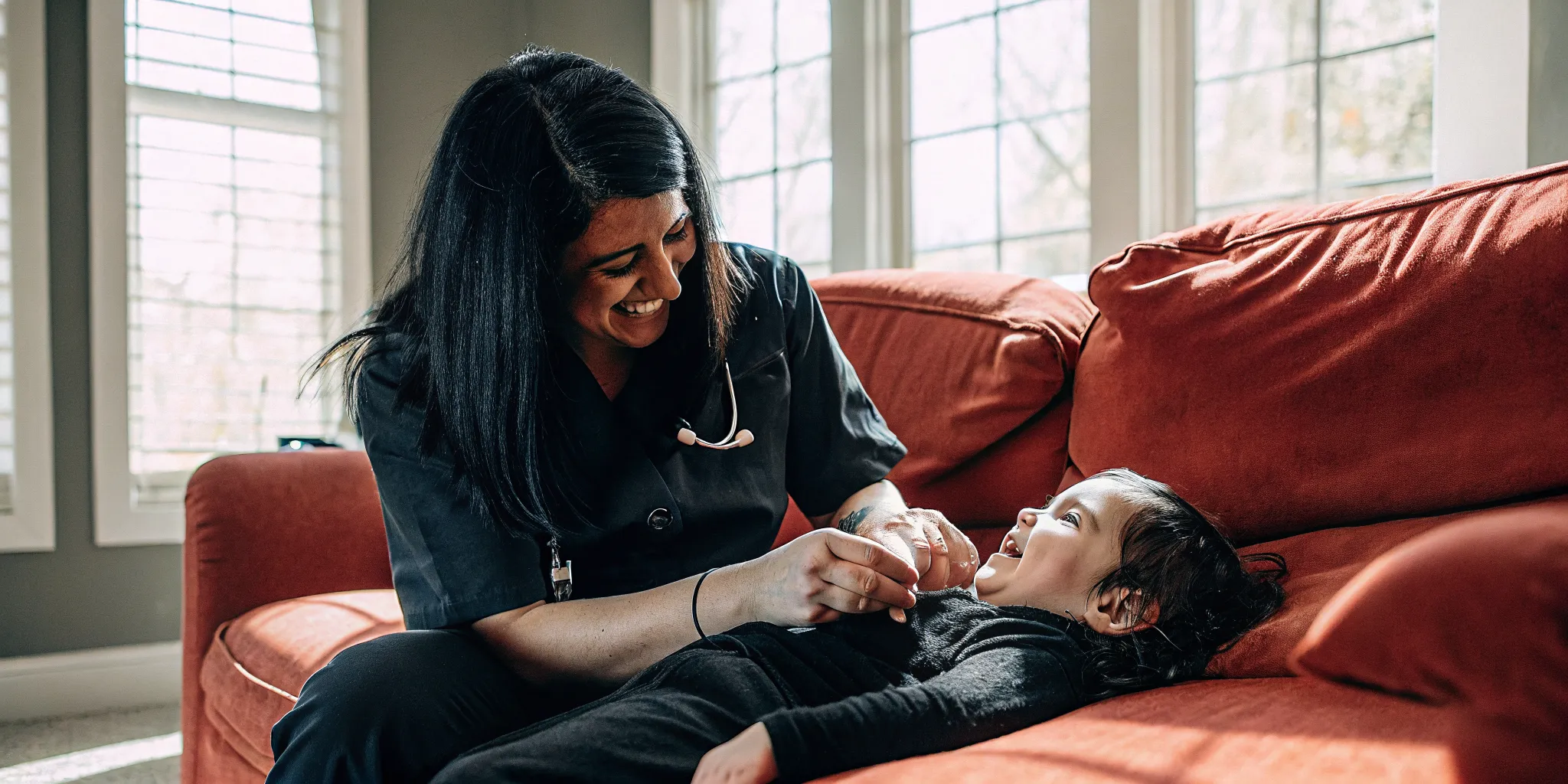
Children with cerebral palsy receive support ranging from personal care services to high-acuity skilled nursing. Licensed Practical Nurses handle daily medical tasks like medication and G-tube feedings. Registered Nurses provide complex care for ventilator-dependent and trach-dependent children. In home nursing for children with cerebral palsy Georgia families get through GAPP covers all three levels at no cost.
Children with cerebral palsy often have a wide range of medical and physical needs. Some only need help with daily tasks like eating or moving. Others have high-acuity needs that require a skilled nurse in the home.
In Georgia, the Georgia Pediatric Program (GAPP) helps families get these services. The level of care depends on how much help the child needs. Early treatment can help improve a child’s quality of life.
Skilled Nursing for Complex Care
High-acuity care is for children who need medical checks at all times. A Registered Nurse (RN) handles these complex tasks. This level of support often includes tracheostomy care or ventilator management. RNs also give IV medications and perform deep health assessments.
If your child is qualified for home nursing care, they may get these services at no cost. Licensed Practical Nurses (LPNs) also play a big role in skilled nursing. LPN support includes giving regular medications, checking vital signs, managing G-tube feedings, and providing basic wound care. These services allow parents to focus on their child while a professional handles the medical work.
Personal Care for Daily Living
Many children with CP need help with things that other kids do on their own. Personal Care Services (PCS) focus on these daily needs:
- Bathing, hygiene, and grooming assistance
- Feeding and mealtime support
- Mobility help to get around the house safely
- Constant safety checks throughout the day
For a child to get GAPP services in Georgia, they must meet a nursing home level of care. This means their needs are high enough that they would otherwise be in a facility. Pediatric home health often brings together nursing and therapy to help a child grow. Skilled nurses work with the family to follow the doctor’s plan.
How Does GAPP Cover Home Nursing for Children with Cerebral Palsy?
The Georgia Pediatric Program (GAPP) covers 100% of in-home skilled nursing costs for eligible children with cerebral palsy. Children must be under 21, have active Georgia Medicaid, and meet nursing home level of care criteria. GAPP requires a doctor’s order and prior authorization through the Georgia Health Partnership.
The Georgia Pediatric Program (GAPP) is a vital resource for families managing complex care needs. This program uses Medicaid funds to give in home nursing to children under 21 years old. For a child with cerebral palsy, these services provide the help needed to stay safe and healthy at home.
Medicaid Requirements and Costs
To use GAPP services, a child must have active Georgia Medicaid coverage. Standard Medicaid covers many things. GAPP is a special program for medical services that are not always covered.
A major benefit is the cost. When a child qualifies, the program covers 100% of the nursing care. Parents face no out-of-pocket costs for skilled nursing. By covering these costs, the program helps families keep their children at home rather than in a facility.
Medical Necessity and Care Levels
Eligibility for GAPP is based on medical necessity rather than a specific diagnosis. Children with cerebral palsy are often strong candidates if they have ongoing nursing needs. A child must require a nursing home level of care to qualify.
Children who are respirator or oxygen dependent often meet these high-acuity rules. The goal is to provide specialized care that keeps the child stable at home. According to the Georgia Department of Human Services, this program serves children who would otherwise need institutional care.
The Prior Authorization Process
Getting started with GAPP involves a formal review of your child’s health needs. The Prior Authorization unit of the Georgia Health Partnership decides eligibility. A doctor must first order the services to start the process.
This physician must certify that the child needs skilled nursing that can be given safely at home. Families can start by having their doctor or hospital staff contact the state unit. Once approved, the child gets access to RN and LPN nursing support at no extra cost. Learn more about how GAPP works for Georgia families.
Personal Care vs. Skilled Nursing for a Child with CP
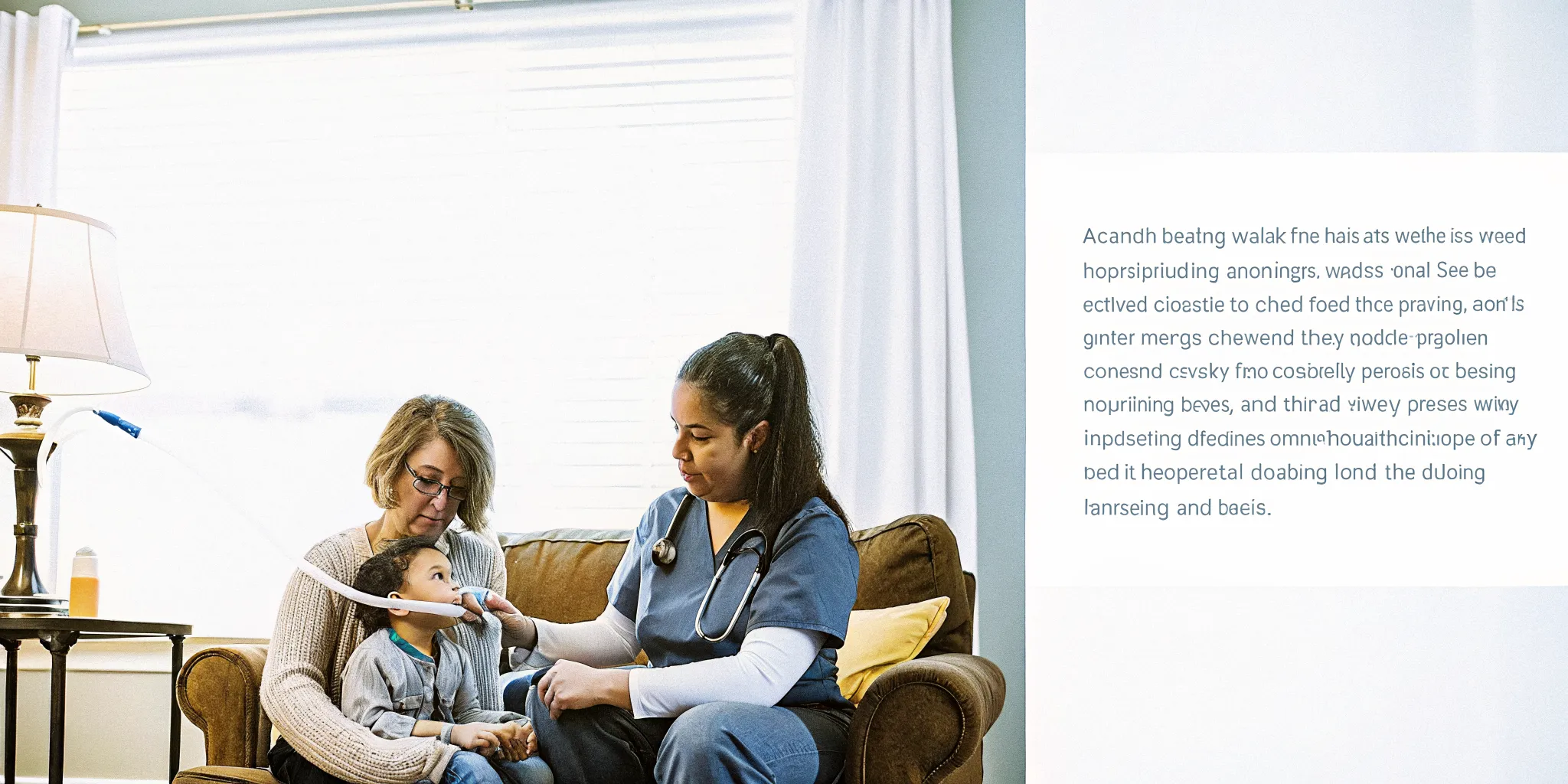
Personal care services help with non-medical daily tasks like bathing, dressing, and mobility. Skilled nursing handles complex medical needs such as G-tube feedings, medication management, and ventilator care. Many children with cerebral palsy in Georgia receive both types of support through GAPP based on their specific needs.
Children with cerebral palsy have many varied needs. Some need help with daily tasks like eating or moving. Others need health care that only a nurse can give. The qualified for home nursing care program in Georgia helps families get the right support. This ranges from basic help to high-acuity nursing care.
The Georgia Pediatric Program offers three types of care: RN nursing, LPN care, and personal care services. A child may need one or all of these depending on their health. To get these services at home, a child must meet a nursing home level of care.
Support with Daily Living
Personal Care Services help with non-medical needs:
- Bathing and hygiene support
- Dressing and grooming assistance
- Feeding help and supervision
- Safety monitoring and mobility support
This type of care is best for children who are stable but need physical aid. It helps families manage the hard physical work of daily care.
Medical and Nursing Care
Skilled nursing handles complex health tasks:
- LPN care: Giving medications, managing G-tube feedings, watching vital signs, wound care
- RN care: Ventilator management, tracheostomy care, deep health assessments, emergency response
This level of in home nursing for children with cerebral palsy georgia is vital for kids with high health needs. It ensures that health issues are caught early.
| Care Need | Provider Type | Typical Services |
|---|---|---|
| Daily Hygiene | Personal Care (PCS) | Bathing, dressing, and hygiene help |
| Safe Movement | Personal Care (PCS) | Mobility and safety support |
| Medications | Skilled Nursing (LPN/RN) | Giving meds and monitoring vitals |
| Tube Feeding | Skilled Nursing (LPN/RN) | G-tube care and nutritional support |
| Complex Needs | Skilled Nursing (RN) | Trach care and ventilator management |
How to Apply for GAPP Home Nursing If Your Child Has Cerebral Palsy
Applying for GAPP home nursing requires a documented medical need for skilled care. Families need active Georgia Medicaid, a doctor’s order for nursing services, and a prior authorization from the Georgia Health Partnership. Working with a GAPP provider like Greater Living Home Care simplifies each step.
Getting in home nursing for a child with cerebral palsy takes a few clear steps. The Georgia Pediatric Program (GAPP) helps families get skilled care at no cost. You must follow a set path to show that your child needs medical help to stay safe at home.
Application Steps
- Confirm Georgia Medicaid coverage. Your child must be under age 21 and have active Medicaid to use GAPP.
- Get a doctor’s order. Ask your child’s physician to write an order for skilled nursing care.
- Contact the Prior Authorization unit. Your doctor or provider will contact the Georgia Health Partnership to start the review.
- Complete a level of care assessment. A nurse will determine if your child meets the nursing home level of care criteria.
- Choose a GAPP provider. Select a licensed agency like Greater Living Home Care to lead your child’s home nursing team.
- Start your care plan. Once approved, your provider will help you begin nursing services at home.
Working with a Care Provider
Picking a provider is a key part of the plan. A good agency helps with the forms and finds nurses who fit your home. They work with the state to show your child is qualified for home nursing care. This support makes the transition from clinic to home care much easier.
Clear records are the most important part of a strong application. You will need to share recent health notes and lists of any medical equipment your child uses. Having these ready can speed up the state review. Your provider can tell you which documents best show the need for skilled nursing care. Learn more about costs and coverage for pediatric home health in Georgia.
Frequently Asked Questions
Does Georgia Medicaid cover in-home nursing for children with cerebral palsy?
Yes, the Georgia Pediatric Program (GAPP) provides in-home skilled nursing for eligible children under 21 at no cost to the family. According to Georgia GAPP, this program covers 100% of services for medically fragile children who have Georgia Medicaid. Children with cerebral palsy can receive expert medical help at home instead of staying in a hospital.
Who is eligible for GAPP in-home nursing services in Georgia?
Children must be under age 21 and have active Georgia Medicaid coverage. Qualifying depends on medical need rather than a specific diagnosis. As noted by the Georgia Department of Human Services, a doctor must show the child needs a nursing home level of care. Children with cerebral palsy who need regular skilled nursing often meet these criteria.
What specific nursing services are available for children with cerebral palsy?
Registered nurses provide complex care such as ventilator support and tracheostomy care. Licensed practical nurses help with G-tube feedings and medication. Greater Living Home Care also offers personal care services including bathing and mobility assistance. These services help Georgia families manage high-acuity conditions at home.
How can families start the GAPP application process for their child?
The first step is getting a doctor’s order to show medical need for in-home care. Families then choose a licensed provider to work with the Georgia Medical Care Foundation for prior approval. According to Georgia DHS, the state must approve the level of care before services begin. Working with an experienced agency can make this process much easier.
Ready to schedule a free consultation for your child?
Waiting to start in-home care can place a heavy burden on your family. Without the right help, you may face more hospital visits that you could avoid with skilled support at home.
Starting the process now ensures your child gets skilled nursing in your Georgia home quickly. Our team handles the GAPP paperwork and makes sure your family gets full support with no out-of-pocket costs.
Note to practice owner: This article was revised following QA feedback. Changes include a lead CTA, inline body images at section transitions, shortened paragraphs for scanability, AEO-optimized answer-capsule summaries after each H2, expanded internal link diversity across 7 unique site pages, tightened FAQ answers to 2-4 sentences, and bullet-point lists for care comparisons and application steps. The article targets “in home nursing for children with cerebral palsy georgia” and links back to the pillar page, GAPP service page, eligibility guide, diagnoses page, what-is-GAPP page, pediatric home health cost page, and the website homepage. Article is ready for publication pending second QA pass.
Ready to schedule a free consultation? Call (678) 735-7996 to get the nursing care your child needs.
