
A Practical Guide to Overnight Pediatric Private Duty Nursing in Georgia
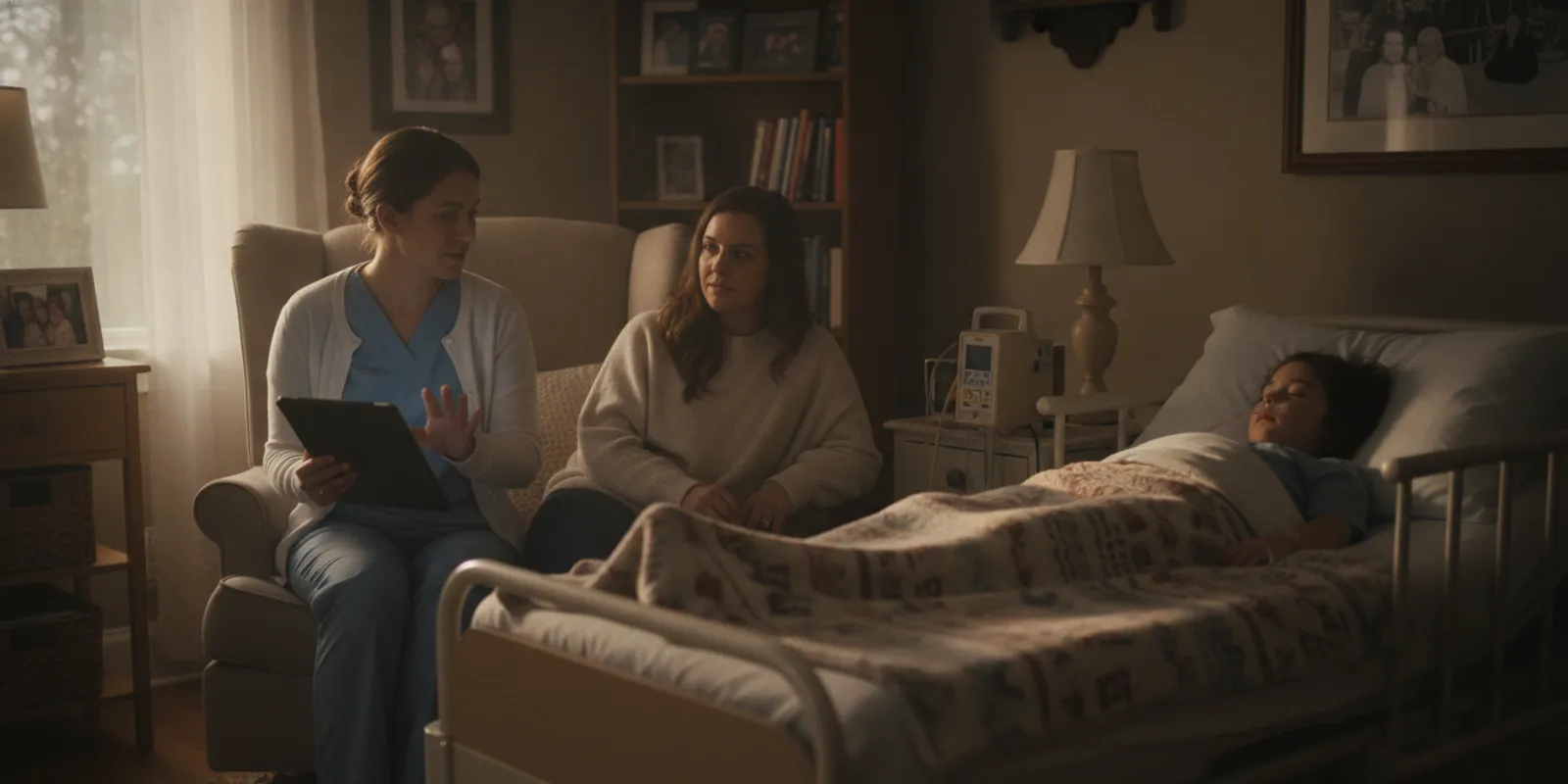
Georgia families often ask what overnight pediatric private duty nursing involves. It is skilled nursing in a child’s home during nighttime hours when the child’s assessed needs and authorized services support that schedule. For questions about your child’s care, call Greater Living Home Care at (912) 446-5838.
Call Greater Living Home Care at (912) 446-5838 to discuss overnight nursing
Nighttime can bring different concerns from daytime care: a child may need prescribed respiratory support, feeding-tube care, monitoring, or help with other skilled needs while the household rests. This guide explains what overnight nursing means, how it differs from other support, and what Georgia families can clarify before pursuing care. For broader context, see this Georgia pediatric home health care guide.
What Is Overnight Pediatric Private Duty Nursing in Georgia?
Private duty nursing (PDN) is in-home skilled nursing for a child who needs ongoing clinical care. When a care plan includes nighttime coverage, a qualified nurse provides the assigned care during the approved shift in the child’s home. The shift might be part of a longer daily schedule, but the word “overnight” by itself does not establish a specific number of hours or guarantee coverage.
Families may explore overnight support when the child’s needs continue after bedtime. Depending on the child’s clinician-directed plan and the nurse’s scope, care may involve tasks such as observing the child’s condition, following established instructions for prescribed equipment, or carrying out assigned nursing interventions. The nurse follows the child-specific plan; this is not a substitute for emergency services or a new medical assessment.
Greater Living Home Care provides pediatric skilled nursing in Georgia through the Georgia Pediatric Program (GAPP), a Medicaid-funded program for qualifying children under 21. A family’s Medicaid status, the child’s clinical needs, program rules, and authorization all matter. GAPP does not mean that every requested service or overnight schedule is automatically approved. The program’s in-home services are described in this Georgia Medicaid Georgia Pediatric Program publication.
It can help to distinguish three separate questions: Does the child qualify for a program? What services and hours are authorized? And what nursing schedule can the provider arrange? These questions are related, but one answer does not automatically settle the others. Greater Living’s GAPP service information offers a starting point for understanding its program-related care.
When Might a Family Ask About Overnight Nursing?
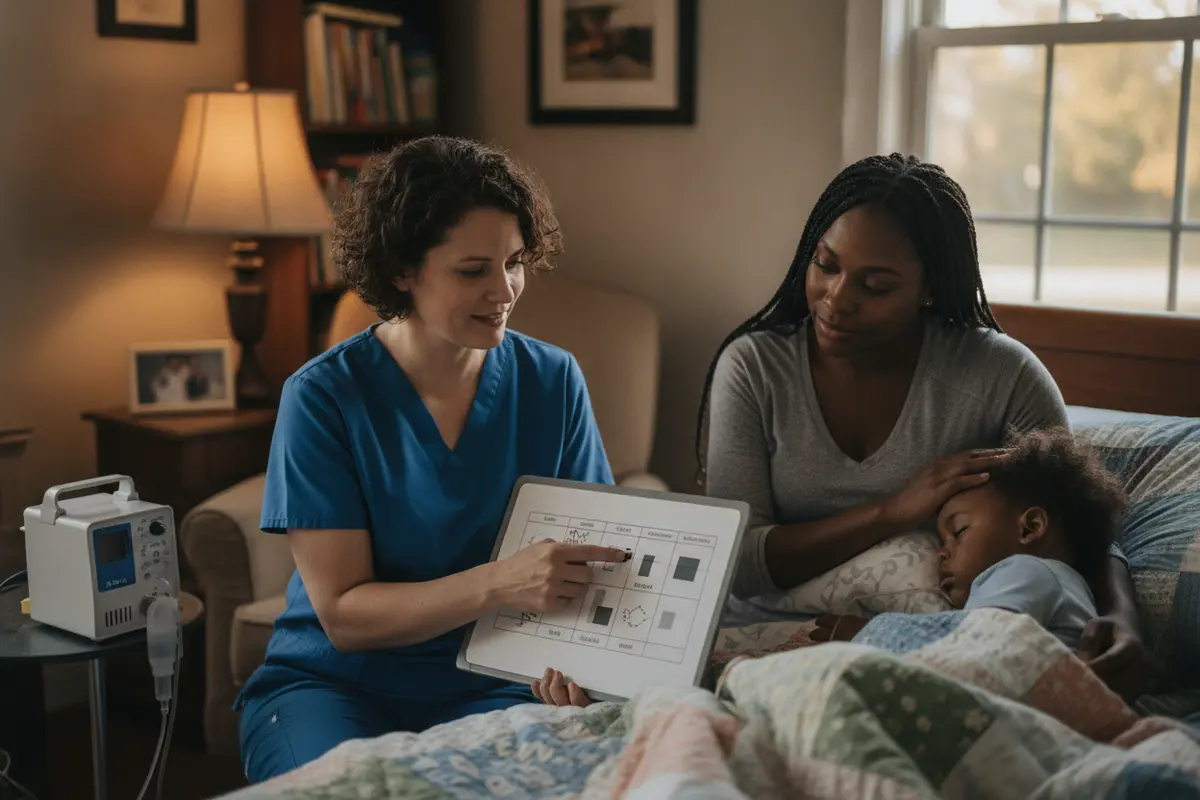
A parent or guardian may ask about nighttime nursing when the child has skilled care needs that continue through the night or when the family needs to understand how an approved plan could be carried out at home. The question is not simply whether a child has a diagnosis or uses equipment. The relevant discussion should center on the child’s current clinical needs, prescribed care, daily routines, and the assessment and authorization process.
For example, a family may want to discuss a child who has a tracheostomy, uses respiratory support, receives nutrition through a feeding tube, or has several conditions requiring coordinated care. Those examples do not determine eligibility or establish that a particular nurse or shift is appropriate. A clinician and the program’s review process must consider the child individually.
Parents can describe what happens overnight in concrete terms: what care is prescribed, how often an intervention is expected, what equipment is used, and what instructions the family currently follows. Share the care team’s current documentation rather than trying to independently decide which services qualify. If needs have changed, ask the child’s clinician and the appropriate GAPP contacts what information should be updated.
How Does Overnight Nursing Differ From Other Home Support?
Families may encounter several kinds of help at home. The distinction matters because a nurse’s clinical responsibilities differ from personal care or family support. An overnight nursing request should be discussed in terms of skilled tasks and the child’s care plan, not as a general promise of uninterrupted supervision.
| Type of support | General purpose | What to clarify |
|---|---|---|
| Private duty nursing | Skilled nursing care for a child with ongoing clinical needs, delivered according to an individualized plan and applicable authorization. | Which nursing tasks and hours are authorized, who coordinates the plan, and how coverage is arranged. |
| Intermittent skilled visits | Skilled nursing services provided during planned visits rather than a continuous shift. | What a visit includes, how often it is planned, and whether it addresses the child’s needs at the time it occurs. |
| Personal care or daily-living assistance | Help with eligible non-skilled daily activities under applicable program rules. | Which tasks fall within the service and which require a nurse or clinician’s direction. |
| Family caregiving | Care provided by a parent, guardian, or other family caregiver. | Which responsibilities remain with the family and what training or support the care team recommends. |
This table is a general guide, not a determination of benefits. Services, eligibility, and authorized hours depend on current program requirements and individual review. For a closer look at nursing roles, read how pediatric home-health nursing roles can differ. Ask the agency to explain how a specific task fits the plan and who is responsible for it.
What Should Families Clarify Before Planning an Overnight Shift?
It is reasonable to ask direct questions before a proposed schedule begins. Written answers can help parents keep the program, clinician, agency, and household on the same page. Consider discussing these points:
- Clinical needs: Which prescribed care needs occur overnight, and what documentation describes them?
- Authorization: Which services and hours have been approved, and what is still under review? Do not assume a requested schedule is authorized.
- Care plan: What instructions guide the nurse, and who updates the child’s Model of Care when the clinician’s directions or needs change?
- Scope and roles: Which tasks belong to the assigned nurse, which remain family responsibilities, and whom should a caregiver contact with a question?
- Scheduling: What shift times are being considered, how are changes communicated, and what should the family do if a planned nurse cannot attend?
- Equipment and supplies: Which items should be in the home, who maintains or supplies them, and what existing instructions should be available to the nurse?
- Urgent situations: What is the family’s clinician-provided emergency plan, and when should the family use emergency services?
These are planning questions, not instructions for changing treatment. Families should follow the child’s clinician-approved directions and seek clinical advice from the appropriate healthcare professional when something is unclear. An agency’s clinical team can explain its coordination process, but it cannot replace the child’s treating clinician or program decision-maker.
Greater Living describes its services as nurse-led, with RNs involved in care coordination, clinical oversight, and Model of Care planning. A family can ask how those responsibilities apply to its own case. The guide to a GAPP Model of Care plan provides more background on that planning document.
How Can You Prepare for a GAPP Discussion About Night Care?
Preparation can make an initial conversation clearer, though it does not guarantee an approval or a particular schedule. Start with current information about the child and the care team’s instructions. Keep copies organized so you can share what is requested without relying on memory during a stressful call.
- Write down the overnight concerns. Note the care tasks or changes that prompt the question, when they tend to occur, and what existing instructions address them. Keep the notes factual.
- Gather current clinical records. Ask the child’s healthcare team which records, orders, or care instructions are appropriate for program review. Do not alter clinician instructions to fit a service request.
- Confirm Georgia Medicaid and program questions. Ask which eligibility and program steps apply to your child, who reviews the request, and how to confirm current requirements.
- Ask what happens next. Find out whether more documentation or an assessment is needed, who will follow up, and how the family will learn the decision.
- Discuss the care arrangement separately. If services are authorized, ask the provider about the proposed plan, nurse coverage, communication, and what to do if a schedule changes.
Greater Living’s GAPP application checklist for Georgia families can help organize questions and paperwork. The specific documents needed can vary, so confirm the current list with the appropriate program contact rather than treating a general checklist as a complete or official determination.
What Should You Know About Safety and Family Routines?
Nighttime care happens in the family’s home, so planning includes more than shift times. Parents can tell the nursing team about the child’s usual bedtime routine, communication cues, preferred comfort items, and household arrangements relevant to care. Keep the child’s current care instructions and emergency contacts where the family and care team have agreed they should be.
Ask how the nurse receives updates, how the family can raise concerns, and how changes in the child’s condition are handled under the established plan. A clear handoff can help everyone understand what was observed and what care was completed. Discuss how to document care and whom to contact for non-emergency questions. If an urgent or life-threatening event occurs, use the emergency response plan provided by the child’s care team and contact emergency services when appropriate.
Parents should also clarify boundaries: what the nurse will do during the assigned shift, whether a parent or guardian needs to remain in the home, and how the family’s other routines fit around care. The answer may depend on the child’s plan, applicable rules, and the specific service arrangement. Avoid assumptions based on another family’s experience.
How Can Families Discuss an Overnight Schedule?
“Overnight” can describe a family’s preferred time window, but it is not itself an authorization. Before planning around a specific shift, confirm the approved service and hours with the appropriate program contact. Ask the agency how it will explain the authorized schedule and what steps are needed if the family’s requested hours differ from the approved plan. A conversation about a possible schedule should not be mistaken for a final approval.
It may help to map the household’s night in ordinary terms. What time does the child usually settle? Are there planned care tasks at predictable times? Does school, a clinic visit, or another routine affect the family’s schedule? Share relevant details with the clinical team, while allowing the child’s clinician and program reviewers to determine what information is relevant to care planning and authorization. The purpose is to make the discussion concrete, not to decide the number of nursing hours on your own.
Families can also ask how continuity is addressed if a nurse’s schedule changes. Clarify whom to contact, how the incoming nurse receives the current plan and updates, and what the family should do if there is a gap in the expected schedule. Ask how the provider records questions and communicates non-urgent concerns. These practical details help parents understand the arrangement without assuming that every shift can be staffed or that a particular schedule is guaranteed.
If the child’s needs change, ask the healthcare team and program contacts whether a new clinical review or authorization request is appropriate. Keep the current approved plan in view until the responsible clinician or program contact confirms a change. This careful sequence helps families separate three matters: the care the child needs, the services the program authorizes, and the schedule a provider can arrange.
How Do You Compare Overnight Nursing Options?
When discussing providers or arrangements, compare the details that affect safe, coordinated care rather than relying on a broad label such as “overnight.” A helpful conversation covers clinical planning, communication, and staffing logistics. Families can use the following questions in calls with an agency or program contact:
- Who develops and reviews the child’s individualized care plan?
- How are the child’s prescribed needs and relevant experience considered when assigning a nurse?
- How does the family receive updates and report a change in the child’s needs?
- What is the process for schedule changes or a missed shift?
- What services and hours are authorized, and how can the family verify that information?
- Which responsibilities remain with the parent or guardian during an overnight shift?
Answers should be specific to your child and should not substitute for written authorization or clinical direction. Greater Living’s services overview and its family FAQ are additional places to review general information, then bring case-specific questions to the appropriate team.
Contact Greater Living Home Care to discuss your child’s Georgia home nursing needs
Frequently Asked Questions
Does Georgia Medicaid automatically approve overnight nursing?
No. Georgia Medicaid coverage alone does not establish that a child qualifies for a particular service or that overnight hours will be approved. The child’s circumstances, applicable program rules, clinical documentation, and authorization process matter. Ask the appropriate GAPP contact how to confirm the status of an individual request.
Is overnight private duty nursing the same as a nurse visiting once?
No. A private duty nursing shift and an intermittent skilled visit are different service arrangements. Which option may apply depends on the child’s needs, program rules, and authorization. Ask the care team to explain the proposed service and schedule in writing.
Can any child who uses medical equipment receive overnight nursing?
Equipment use alone does not determine eligibility or approved hours. The request must be considered individually, using the child’s clinical needs and applicable program requirements. Discuss the child’s prescribed care with the clinician and confirm program steps with the relevant contact.
What if my child’s night needs change after care begins?
Contact the child’s healthcare team and the appropriate agency or program contact to ask how to report the change and whether updated documentation or review is needed. Continue following the current clinician-approved plan unless the child’s clinician provides different directions.
Overnight pediatric nursing questions are best answered through an individualized review of the child’s needs, current clinical plan, and Georgia program requirements. Gather your questions, confirm what has been authorized, and speak with the child’s care team about the next appropriate step.
