
Atlanta, Georgia GAPP Family Support: pediatric home nursing Atlanta Georgia GAPP support guide
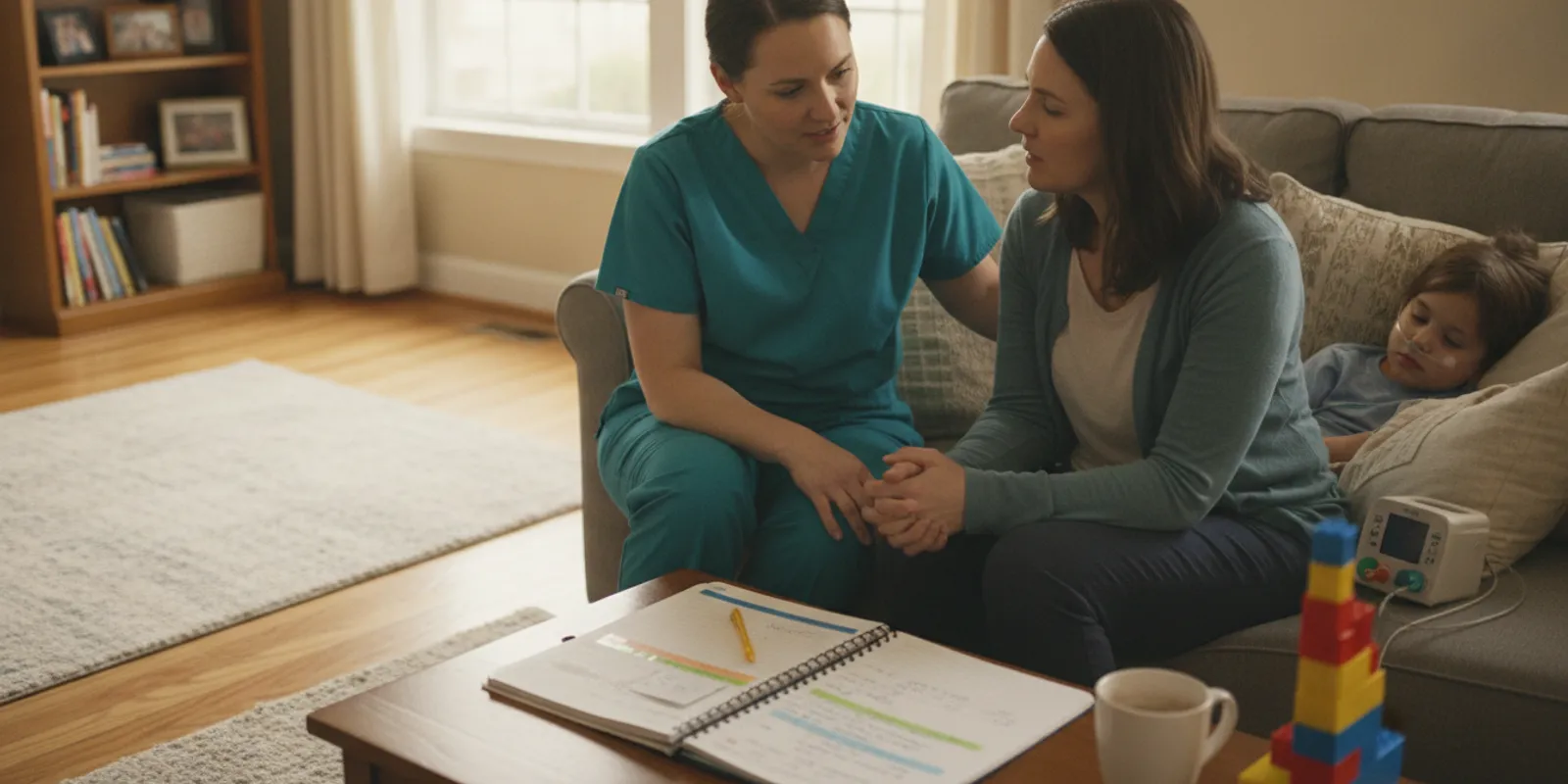
Families exploring pediatric home nursing Atlanta Georgia GAPP support often need a clear way to prepare for the next conversation—not another promise about eligibility or hours. Gather your child’s care information, clarify what support you are seeking, and ask how clinical review and coordination work. For a statewide overview, see the Georgia pediatric home health care guide.
Ask a care coordination question or call (912) 446-5838.
What should families know about pediatric home nursing Atlanta Georgia GAPP support?
GAPP is Georgia’s Medicaid-funded program for eligible children who need medically necessary support at home. A child’s circumstances and clinical documentation matter; reading about the program does not establish eligibility, a service type, or a number of nursing hours. The Georgia Department of Community Health program listing describes GAPP as a program for children with medical needs requiring skilled nursing or personal care support. Review the GAPP waiver listing as one orientation point, then confirm current requirements through the appropriate Georgia Medicaid and clinical channels.
For Atlanta-area families, the practical question is how to explain the child’s day-to-day care and identify the right next steps. A useful starting point is to distinguish the child’s medical needs from the family’s scheduling needs, then ask how the assessment, documentation, and care plan fit together. Greater Living Home Care serves children across Georgia; however, service arrangements and program decisions depend on individual review. You can read about the agency’s Georgia Pediatric Program services without treating that overview as an approval decision.
How can Atlanta families prepare for a pediatric home nursing conversation?
Before contacting a provider or discussing an application, write down what care looks like on an ordinary day and what changes when your child is ill, tired, or following a different routine. Concrete examples help the clinical team understand the context. They do not replace a clinician’s assessment or program review.
- Describe care tasks. Note the routines your child needs help with, who currently performs them, and any instructions from the treating team.
- Explain when support is needed. Record regular appointments, school or home routines, and times when a caregiver’s presence is especially important.
- Collect current records. Keep relevant medical summaries, treatment instructions, medication information, and contact details for the child’s care team together. Ask which documents are needed rather than sending extra sensitive information without direction.
- Write down questions. Note what is unclear about the process, clinical review, authorization, scheduling, or responsibilities for ongoing communication.
A short, factual care summary can help you stay focused. Include the child’s diagnosis only as documented by the treating clinician, the specific needs that affect daily care, and the support you hope to discuss. Avoid trying to predict what a reviewer will decide. For a broader preparation checklist, see the GAPP application checklist for Georgia families and the guide to GAPP prior authorization.
Families may speak with more than one person while arranging care. Keep provider questions separate from questions about Georgia Medicaid or a program review so it is clear who can answer each one. When you receive a request, note its date, the requested item, the person or office that sent it, and how they want you to respond. If you are unsure whether a record is current or relevant, ask before sending it again. This small filing habit can protect privacy, prevent avoidable confusion, and make follow-up conversations more specific.
Which details help explain a child’s nursing needs?
Families often know a child’s routines in detail but are unsure which information belongs in a first conversation. Organize details around the care itself, the instructions that guide it, and the people involved. Be precise about what you observe and separate that from a medical conclusion. For instance, describe how often a task occurs according to the care instructions rather than estimating a clinical level of need.
Daily care routines
Useful details to note: Tasks, usual timing, and who currently assists.
Question to ask: Which routines should the clinical team review?
Medical instructions
Useful details to note: Current written directions and the clinician who provided them.
Question to ask: Which instructions or records are needed for review?
Changes and concerns
Useful details to note: What changed, when it began, and whom the family contacted.
Question to ask: Who should receive updates about a change in care?
Family logistics
Useful details to note: Home schedule, appointments, and questions about coordination.
Question to ask: How are proposed care arrangements discussed?
Current program status
Useful details to note: Notices, requests, or review dates the family has received.
Question to ask: Which agency or program contact can explain the next step?
This table is a preparation aid, not an official application checklist. Keep private records secure, and share them through the channel identified by the provider, clinician, or program representative. If the family has already received a request for additional information, ask what the request means and who is responsible for responding.
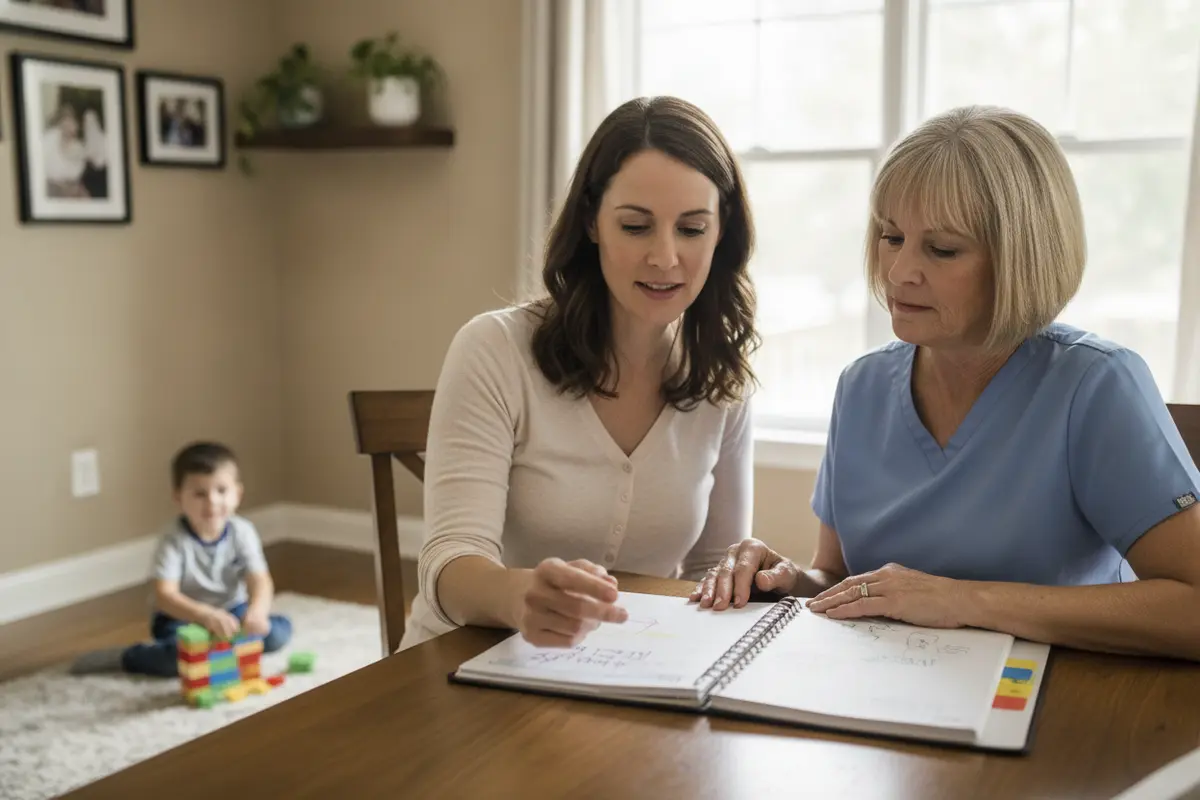
How does a Case Model of Care plan connect the pieces?
A Case Model of Care plan helps organize a child’s individual needs and the nursing support being considered. It should reflect clinical information and the child’s circumstances rather than a generic template. Greater Living’s registered nurses handle care coordination, develop Model of Care plans, and provide clinical oversight. Families can ask how the plan is developed, how it relates to the child’s current instructions, and how changes are communicated.
Ask who will help coordinate information and what role each person has. A private duty skilled nursing agency provides nursing services and clinical coordination; it is not simply a directory that introduces families to independent nurses. The family should understand the proposed communication path, who to contact with questions, and how concerns are escalated according to the child’s care arrangements.
Families comparing types of pediatric nursing can review pediatric private duty nursing in Georgia and the agency’s description of pediatric home care services. These pages can help frame questions, but the right service and plan must be determined through the child’s clinical review and applicable program process.
What questions should you ask about nursing roles and scheduling?
Home nursing arrangements involve clinical responsibilities as well as the practical realities of a household. Ask questions in plain language and request clarification if a term or process is unfamiliar. It can help to keep a written record of whom you spoke with and what follow-up was agreed.
- Who reviews my child’s information, and what clinical documentation should I provide?
- How does the agency coordinate with the child’s family and treating clinicians?
- How are nursing responsibilities and the Model of Care plan explained to family caregivers?
- What happens if the child’s condition, instructions, or home routine changes?
- How are scheduling requests discussed, and what factors affect the care arrangement?
- Which decisions are made by the clinical team, and which require a program or authorization decision?
- Who should I contact if I have a question after nursing services begin?
Do not assume that a particular shift length, schedule, or nursing discipline is guaranteed. Program authorization, clinical need, staffing, and family circumstances all matter. Ask the provider to explain the process and any limits clearly. The guide to GAPP nursing hours in Georgia discusses why approved support is individualized; use it as background for a conversation, not as a prediction of a specific decision.
How can families keep care coordination clear when plans change?
Children’s needs and household routines can change. A clear update helps the people involved understand what is different and what needs attention. When a clinician changes instructions, keep the updated written directions with the child’s records and ask who should receive them. If a routine or schedule changes, tell the appropriate care contact and confirm any next step rather than assuming all participants received the same message.
A simple family record can include the date, the change, the clinician or program contact involved, and the response or follow-up requested. Keep notes factual. Do not use a family log to replace medical advice, emergency instructions, or the child’s prescribed care plan. For continuity questions, Greater Living’s GAPP nursing continuity of care guide offers additional points families can raise with their care team.
If a process pauses, ask what item is outstanding, which person or office can address it, and whether there is a date by which it is needed. Save copies of notices and correspondence. If the answer is unclear, request the name or role of the appropriate contact. These steps cannot speed or guarantee a program decision, but they can reduce confusion about who is doing what.
How can Atlanta families compare support options without guessing?
Families may hear different descriptions of pediatric home support. Compare the actual service scope and responsibilities instead of relying on labels alone. A provider conversation can clarify whether the discussion concerns skilled nursing, personal care support, or another service, and how clinical oversight and coordination are handled. Ask how a proposed service relates to the child’s documented needs and any program review.
To make comparisons useful, ask each provider the same questions: What does the clinical review cover? Who coordinates the plan? How are concerns and changes communicated? What should the family expect next, and which decisions remain with Georgia Medicaid or another reviewing entity? Write down answers and distinguish confirmed information from items that still need review.
Greater Living’s home care and GAPP FAQs address common family questions, while the about page explains more about the agency. For a broader view of pediatric nursing roles, see the comparison of RN, LPN, and CNA roles. Use those resources to prepare—not to decide what level of care a child qualifies for.
What should families clarify before a home nursing plan begins?
When a family is discussing a possible start, it helps to understand what has been decided and what is still being reviewed. Ask for a plain-language explanation of any proposed plan, including which nursing tasks it addresses and what instructions guide the care. If a detail is unclear, ask the clinical contact to explain it rather than filling in the gap based on a general webpage or another family’s experience.
It is also reasonable to ask how the family will communicate with the nurse and clinical team. Clarify who to contact with routine questions, how to share a new clinician instruction, and how the team handles a concern about a care routine. Families should know where to find the current written plan and how they will learn about an update. These questions support shared understanding; they do not change program authorization or replace the child’s treating clinician.
- Which written instructions should be kept accessible during home care?
- How will the family be informed if the care plan changes?
- Who can explain a question about a nursing task or the plan?
- What is the agreed process for sharing relevant updates with the care team?
Before concluding a call or meeting, repeat back the next step in your own words: what information is needed, who will provide it, and how the family will receive an update. If a decision is pending, ask which entity is reviewing it and whether there is a way to check its status. Keep copies of submitted items and note dates of follow-up. This simple record can help everyone return to the same facts without assuming that a discussion means services or hours have been approved.
What are practical next steps for pediatric home nursing Atlanta Georgia GAPP support?
Start with the question your family most needs answered. If you are just beginning, gather a brief care summary and ask which records are useful. If you have already started a program process, identify the current stage and the next requested action. If nursing has begun, ask how to communicate changes and who coordinates clinical updates.
- Write a concise overview. Describe the child’s current routines and the support you want to discuss.
- Gather relevant records. Set aside current instructions and notices, then confirm what the provider or program needs.
- List unresolved questions. Focus on clinical review, coordination, services, scheduling, and decision-making roles.
- Contact a knowledgeable care team. Ask for an explanation of the next step and how the family should follow up.
For families who want to discuss their situation with Greater Living, the contact for services page provides a starting point. A conversation can explain what information to prepare; it cannot substitute for clinical review or confirm a program decision in advance.
Talk with Greater Living about your child’s care questions — call (912) 446-5838.
Frequently Asked Questions
Does living in Atlanta automatically qualify a child for GAPP?
No. Location alone does not establish program eligibility. A child’s circumstances, Georgia Medicaid status, clinical information, and applicable program review all matter. Families should confirm current requirements through the appropriate program contacts.
Can a family know the approved nursing schedule before review?
Not from a general article or provider overview. The child’s assessed needs and applicable review and authorization processes determine what support may be approved. Ask how scheduling is discussed and which decisions remain pending.
What should I bring to an initial conversation?
Bring or have access to a concise summary of care routines, current written clinical instructions, relevant notices, and questions. Ask first which records are needed and how to share them securely.
Who develops the child’s Case Model of Care plan?
Greater Living’s registered nurses develop Model of Care plans and handle care coordination and clinical oversight. Ask how the plan is individualized, who reviews it, and how the family can communicate a change in the child’s needs.
Preparing clear questions and current information can make the next conversation more focused. Families should confirm program and clinical decisions with the appropriate professionals who review their child’s circumstances.
