
Douglasville, Georgia Local Nursing Support: Pediatric Home Nursing Douglasville Georgia GAPP Support
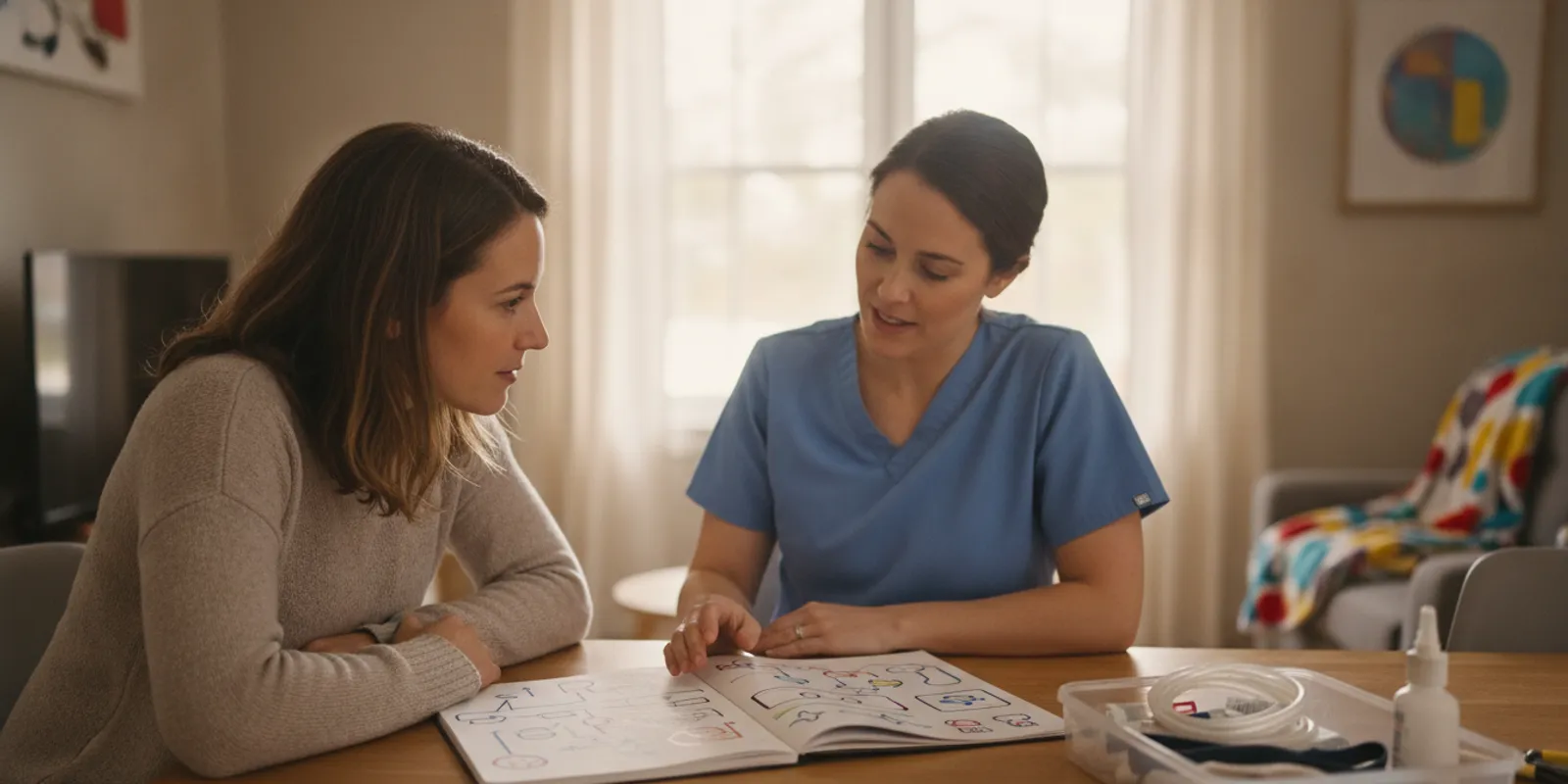
Families researching pediatric home nursing Douglasville Georgia GAPP support need a clear way to organize medical details, Georgia Medicaid information, and questions for a qualified provider. Call us today at (912) 446-5838 to discuss your child’s nursing needs.
Contact Greater Living Home Care about pediatric nursing support and call us today at (912) 446-5838
This guide focuses on the practical work that happens before and after a GAPP conversation. It does not determine eligibility, promise authorization, or replace instructions from the child’s medical team.
What Should Families Know About Pediatric Home Nursing Douglasville Georgia GAPP Support?
Pediatric home nursing brings skilled clinical care into a child’s home. The setting can help the care team understand the child’s ordinary routines, equipment, communication style, and family priorities. For a child with complex medical needs, home support may include private duty nursing, intermittent skilled visits, or other services authorized through the child’s plan.
Greater Living Home Care is a state-licensed Georgia pediatric home healthcare agency serving physically disabled and medically fragile children under age 21 through the Georgia Pediatric Program, or GAPP. The agency’s RNs coordinate care, develop Case Model of Care plans, and provide clinical oversight. It is a private duty skilled nursing agency, not a placement or staffing service that merely refers a family to an independent nurse.
Families can review the Georgia pediatric home health care guide for broader context, then use this Douglasville-focused article to prepare for a more specific discussion. The Georgia Pediatric Program service page also explains how the agency approaches GAPP-related in-home support.
How Does GAPP Shape a Douglasville Nursing Conversation?
GAPP is a Georgia Medicaid program for eligible children under age 21 who have qualifying physical disabilities or medically fragile conditions and need covered support. A child’s diagnosis, age, Medicaid status, current clinical needs, and supporting records all matter. A family should not assume that a diagnosis or Douglasville location alone guarantees approval.
The program discussion may involve private duty nursing, intermittent skilled visits, personal care support, or self-directed options such as SSI/GAPP, depending on the child’s circumstances and the authorization process. These terms should not be treated as interchangeable. Ask the provider to explain which service type it is discussing, which tasks it may cover, and which decisions must come from the program’s review.
For a plain-language overview before a provider call, families can read What Is the Georgia Pediatric Program GAPP? Families should confirm current program requirements through the appropriate Georgia Medicaid and program contacts because rules, forms, and review steps can change.
How Can You Describe Your Child’s Daily Nursing Needs?
A provider learns more from a specific description of the child’s day than from a diagnosis name alone. Before the first conversation, write down what happens, how often it happens, who performs each task now, and what could happen if the task is delayed. Use observations that match the child’s records and current medical instructions.
- Respiratory care: Note oxygen use, ventilator support, tracheostomy care, suctioning, breathing treatments, changes in respiratory status, and the instructions that govern each task.
- Feeding and nutrition: Describe feeding-tube care, enteral nutrition routines, positioning, tolerance concerns, and any warning signs that the family has been told to watch.
- Medication routines: List medications, administration times, special monitoring, and recent changes, while keeping the official medication list as the reference.
- Neurological or mobility needs: Record seizure activity, muscle weakness, positioning requirements, transfers, range-of-motion routines, or communication limitations when they affect safe care.
- Daily safety concerns: Explain aspiration risk, skin concerns, equipment alarms, falls, changes in alertness, or other events that require a trained response.
- Schedule pressures: Identify school hours, transportation, appointments, sleep interruptions, caregiver work schedules, and the times when care is most difficult.
Compare two descriptions. “My child needs help at night” leaves many questions unanswered. “The current plan calls for overnight observation because the child needs respiratory support and may need suctioning; the family records the time and response after each event” gives the clinical team a more useful starting point, provided it is accurate.
Which Records Should a Family Gather Before a GAPP Discussion?
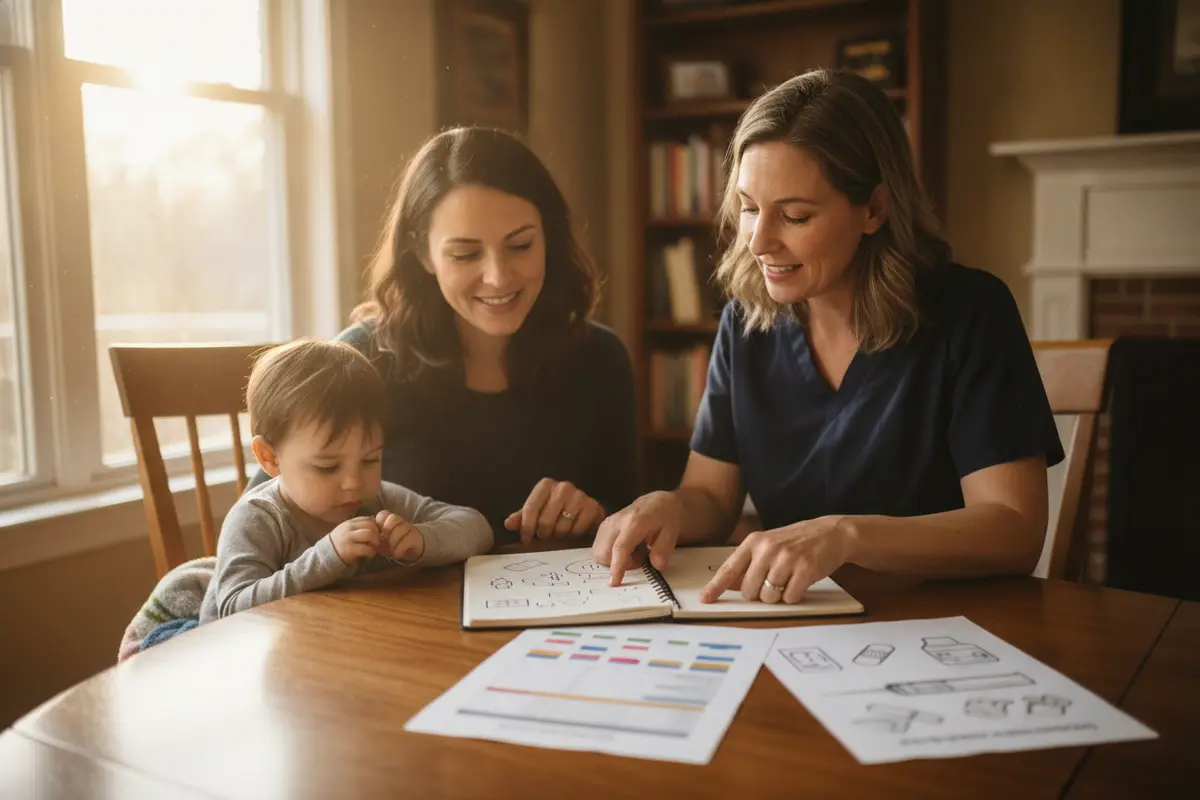
Gathering records does not mean a family must create a perfect application packet before asking questions. It means the provider can identify missing information sooner and compare the child’s current routine with the written medical plan. Keep digital copies when possible, and organize paper records in a single folder.
- Confirm Georgia Medicaid information. Have the child’s coverage details and contact information ready. Ask which eligibility or program documents the provider needs and where the family should submit them.
- Collect current clinical records. Include diagnoses, discharge summaries, specialist notes, treatment protocols, recent hospital information, and relevant therapy records.
- Request current orders. Nursing tasks must follow applicable physician orders and the authorized care plan. Ask the child’s treating team which orders should accompany a review.
- Make an equipment list. Identify oxygen, ventilator, tracheostomy, feeding-tube, mobility, monitoring, and emergency equipment used in the home.
- Write a one-week routine snapshot. Track care times, appointments, school, sleep, symptoms, missed routines, and questions. A short record can reveal patterns that a single appointment does not show.
- List the care team. Include parents or guardians, physicians, specialists, therapists, school contacts, current agencies, and the person responsible for each communication.
Use dates whenever possible. A note that says “equipment changed recently” is less useful than “the feeding equipment changed after the last hospital discharge; the family needs the written instructions checked.” Do not copy old diagnoses or discontinued orders into a current summary without marking them for review.
How Do Skilled Nursing Roles Fit the Home Care Plan?
Families often hear RN, LPN, CNA, and PCA during a care-planning conversation. The role that fits a task depends on the child’s clinical needs, the written plan, the worker’s scope, and program authorization. One role should not be presented as a substitute for another without a clinical reason and proper approval.
| Planning question | What to document | Why it matters |
|---|---|---|
| What is the task? | Care activity, equipment, timing, and warning signs | Connects the routine to the child’s actual needs |
| Who performs it? | Parent, RN, LPN, CNA, PCA, or another authorized person | Clarifies responsibility and training expectations |
| When does it occur? | Daytime, school, appointments, evening, or overnight | Shows how support fits the family’s schedule |
| What happens if the plan changes? | Notification steps, documentation, and clinical escalation | Prevents an old routine from being treated as current |
| Who reviews the plan? | RN supervisor, treating provider, parent or guardian, and program contact | Creates a shared route for questions and updates |
Greater Living’s RNs coordinate care and provide oversight for the child’s in-home services. Families comparing roles can review the RN, LPN, and CNA pediatric home health overview. The goal is not to select a title in isolation. The goal is to connect the child’s orders and risks with a safe, authorized care structure.
How Does a Case Model of Care Plan Help a Douglasville Family?
A Case Model of Care plan turns scattered information into a shared working document. It can identify the child’s medical needs, daily treatments, equipment, staffing roles, communication process, and review points. It should be specific enough for a nurse to understand the routine while remaining flexible enough to address a change in condition.
During planning, ask how the document addresses a typical morning, a school-day transition, an appointment, an overnight period, and an unexpected change. For example, a child who uses a feeding tube may need a clear routine for supplies, positioning, feeding, observation, and documentation. A child with a tracheostomy may need written instructions for routine airway care, equipment checks, warning signs, and the appropriate response route. The plan must reflect the child’s actual orders rather than a generic checklist.
Families should also ask how the plan is updated after hospitalization, a new diagnosis, an equipment change, or a significant change in daily needs. The GAPP Model of Care plan guide gives families additional questions to bring to a planning meeting.
What Questions Should You Ask a Pediatric Home Nursing Provider?
A first call should produce clear next steps, not pressure to make assumptions. Consider asking:
- Does the agency provide pediatric skilled nursing directly in the home?
- How do RNs coordinate with parents, guardians, physicians, specialists, and therapists?
- Which medical orders and records should the family gather first?
- How does the agency distinguish private duty nursing, intermittent skilled visits, and self-directed options?
- How are nurses matched to the child’s clinical needs and established routine?
- How are schedule changes, missed shifts, and concerns communicated?
- How does the agency document care and provide clinical supervision?
- What events should prompt a review of the Case Model of Care plan?
- Which decisions belong to the program review rather than the agency?
Listen for precise answers. A responsible provider should explain what it can do, which records it needs, what authorization means, and what the family should confirm with Georgia Medicaid or program contacts. It should not promise eligibility, a specific number of hours, or a particular staffing schedule before the required review.
How Can You Prepare for the First Home Nursing Visit?
After the appropriate authorization and scheduling steps, prepare for the first visit by making the home information easy to follow. Keep current orders, medication details, emergency contacts, provider phone numbers, equipment instructions, and supply locations together. Tell the nurse how the child communicates discomfort, what helps with transitions, and which routines make the day go smoothly.
Show rather than assume. Point out where supplies are stored, how equipment is labeled, and which instructions are current. If a family member has learned a routine from the hospital, ask the nurse to compare that routine with the written plan. This creates a chance to resolve differences before they become confusing during a busy day.
Families can use the guide to preparing for a pediatric home nurse as a checklist. For questions about ongoing skilled support, the pediatric private duty nursing overview may help organize a separate conversation about service structure and family expectations.
How Can Douglasville Families Keep Care Coordination Clear?
Care coordination works best when one change has one documented communication trail. Keep a shared log for appointments, hospital visits, medication changes, equipment updates, questions, and the person notified. Record the date, observable change, action taken, and follow-up needed. Use the child’s established emergency instructions for urgent concerns rather than waiting for a routine agency call.
Consider a monthly review of the family folder. Remove discontinued medication lists, mark old orders clearly, confirm provider contact details, and note upcoming reassessment or renewal tasks. If the child’s schedule changes because of school, transportation, therapy, or sleep, tell the care team so the plan can be evaluated against the new routine.
Families beginning an application can review the GAPP application checklist for Georgia families. Families already receiving services may find the GAPP renewal process guide useful when gathering updated information. Neither guide replaces the current instructions issued for the child’s case.
What Support Can Complement Nursing Care?
Skilled nursing addresses clinical tasks, but families may also need help with school communication, transportation planning, appointment coordination, respite conversations, and emotional support. A parent group cannot determine GAPP eligibility or replace the child’s medical team, but peer connections may help a caregiver identify questions and feel less alone.
Families looking for a Douglasville parent-group connection can review Families Rising’s Douglasville parent-group listing. Check the group’s current focus and suitability for your household before participating. Keep community support separate from clinical instructions, and bring medical questions to the child’s treating providers or nursing team.
What Is a Practical Next Step for Pediatric Home Nursing Douglasville Georgia GAPP Support?
Start with four items: the child’s Georgia Medicaid information, current clinical records, a short description of daily skilled needs, and a list of questions. Then contact a pediatric skilled nursing agency to discuss what information is missing, which service type may fit the conversation, and which steps require program review.
Frequently Asked Questions
Does living in Douglasville automatically qualify a child for GAPP nursing?
No. Location alone does not establish eligibility. The child must meet applicable Georgia Medicaid and GAPP requirements, and the program reviews clinical information and supporting documentation.
Can a child receive pediatric home nursing during school or overnight?
It may be possible when the child’s medical needs and authorized plan support that schedule. Discuss school routines, transportation, overnight risks, and coverage needs with the nursing agency and appropriate program contacts.
Does Greater Living Home Care only refer families to independent nurses?
No. Greater Living Home Care is a private duty skilled nursing agency. Its RNs coordinate care, develop Case Model of Care plans, and provide clinical oversight for in-home pediatric services.
What should a family do when the child’s needs change?
Follow the child’s existing instructions for urgent concerns, document the observable change, and notify the appropriate medical, nursing, and program contacts. Ask whether orders, records, or the Case Model of Care plan need review.
Where should a family begin if it feels overwhelmed?
Choose one folder or digital location for current records, write down the child’s most important daily tasks, and make a short question list. A focused conversation with a pediatric home nursing provider can help identify the next appropriate step without assuming an outcome.
With organized records, specific questions, and careful communication, a Douglasville family can make a more informed plan for pediatric home nursing and Georgia GAPP support.
