
Johns Creek, Georgia GAPP services explained: Family guide for Johns Creek pediatric care
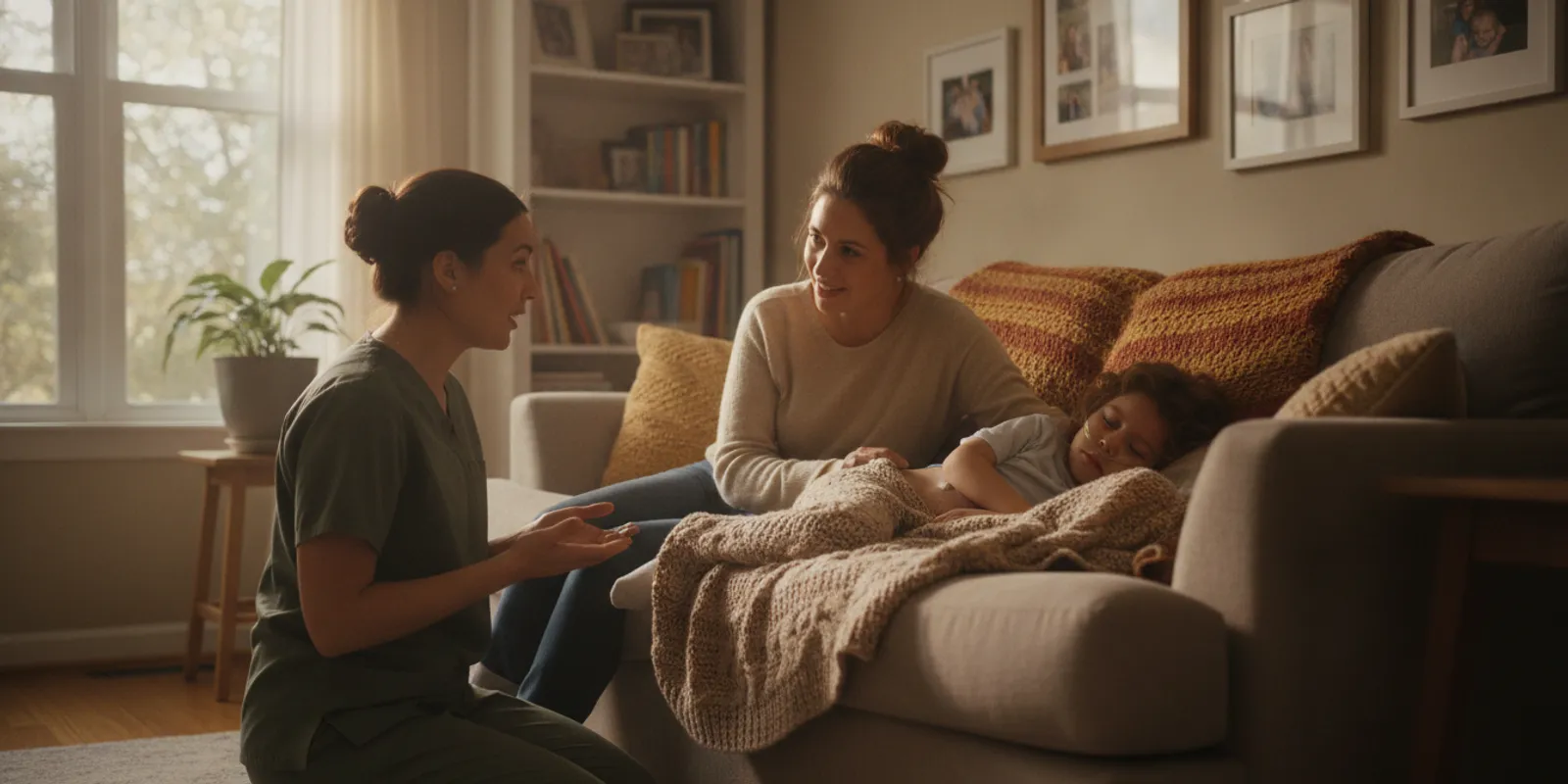
For families considering pediatric home nursing Johns Creek Georgia GAPP support, start by writing down your child’s current care routine and the questions you want answered. Our Georgia pediatric home health guide provides statewide context. GAPP and Georgia Medicaid determine program decisions; a provider can discuss nursing coordination and care planning.
Discuss your child’s care needs with our team
What should Johns Creek families know about pediatric home nursing and GAPP?
GAPP is a Georgia Medicaid program that may provide qualifying in-home services to eligible children. A diagnosis alone does not establish eligibility, determine the services a child may receive, or set nursing hours. The child’s circumstances, supporting information, program requirements, and review all matter. Confirm requirements and decisions with Georgia Medicaid or the program contact identified in official notices.
Greater Living Home Care provides pediatric in-home skilled nursing in Georgia. Its nurses directly handle care coordination, clinical oversight, and Case Model of Care plans within their roles. These provider activities can help organize conversations, but they do not replace an official program determination or promise approved services. The Georgia Department of Community Health’s GAPP fact sheet offers program context.
How can you describe pediatric home nursing Johns Creek Georgia GAPP support needs?
A description of an ordinary day gives a clearer picture than a diagnosis label alone. Explain what care tasks occur, who performs them now, what instructions guide them, and when an adult needs to respond. Keep observations distinct from clinical conclusions: families can report what they see, while clinicians provide clinical instructions and the program determines authorization.
- Health routines: List prescribed medicines, feeding routines, respiratory support, or other care. Note usual timing and who currently helps.
- Monitoring: Describe signs caregivers watch for and response instructions the care team has provided. Do not invent thresholds or new instructions.
- Daily activities: Describe help with mobility, positioning, hygiene, or communication. Such assistance is not automatically skilled nursing.
- Changes during the day: Compare school days, appointment days, and nights. Say what changes rather than assuming the same support fits every situation.
- Caregiver concerns: Explain where handoffs, training, or coverage are difficult without assuming that a particular schedule will be approved.
For example, instead of saying “my child needs constant help,” describe a prescribed feeding routine, who follows the current instructions, and what makes handoffs challenging. That gives the care team something specific to discuss without asserting a clinical assessment. Bring questions about instructions to the child’s clinician.
Which records and details may help with a GAPP discussion?
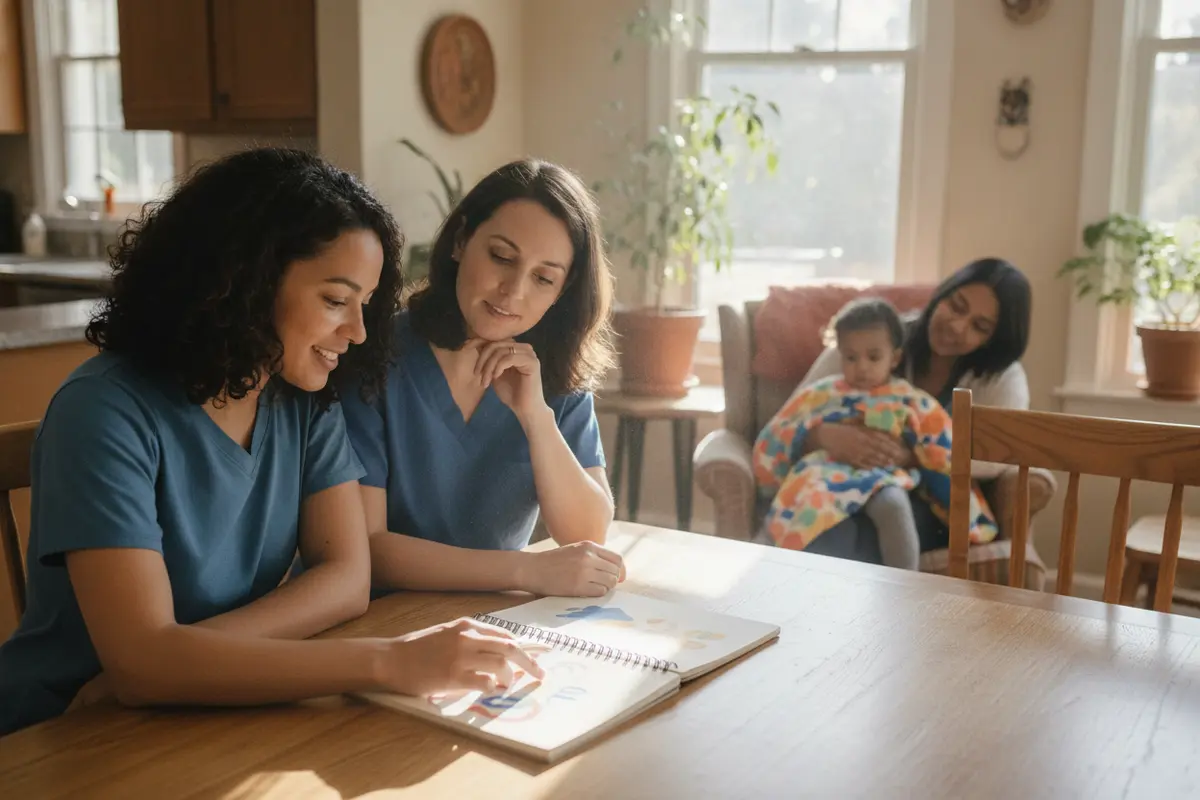
Organize documents already available, but do not wait for a perfect file before asking what is needed. Requirements can depend on the child and the current program process. A brief index helps you find details and distinguish current instructions from older records.
- Coverage and program notices: Coverage information, letters, requests, or decisions. Question: Which contact can explain this notice, and is there a response date?
- Current clinical information: Recent summaries, medication list, and instructions already provided. Question: Which records does the clinician or reviewer need?
- Daily routine notes: Task, approximate time, caregiver, and open question. Question: How do needs unfold through an ordinary or changed day?
- Prior communications: Information requests, submission confirmations, authorization notices. Question: What was requested, when was it sent, and what remains unresolved?
- Family priorities: School or appointment constraints, communication preferences, handoff concerns. Question: What practical issues should be discussed without assuming a schedule?
Keep health information secure and share it through appropriate channels. If a notice requests specific material or gives a deadline, contact its issuer promptly to confirm what to submit and how. Keep the original notice available, since a summary can omit an exact date or instruction. Maintain a simple record of what you sent, when, and to whom.
A useful routine note does not need to be a long narrative. You might make one line for each recurring care task, with approximate time, person involved, current instruction source, and a question mark beside anything that needs clarification. If the child’s routine differs on school days, record that as a separate example rather than averaging the two days together. This makes it easier to explain the practical difference without claiming that the difference qualifies for a particular service.
How does a Case Model of Care plan connect home routines and clinical guidance?
A Case Model of Care plan brings together assessed needs, clinical guidance, and care coordination. Greater Living’s nurses develop these plans and handle care coordination within their clinical role. A plan supports communication about relevant routines and responsibilities, but does not guarantee GAPP approval, a specific number of hours, or authorization of every support service.
Before a planning discussion, note what changed since the last conversation, who is involved in the child’s care, and which instructions are current. Ask how the plan reflects clinician guidance, who can answer a question about an update, and how the family will know information was received. Read the family guide to the GAPP Model of Care plan for further context, and review GAPP service information for the provider’s program context.
For a practical example, imagine that the child’s clinician changes an instruction after an appointment. Record the date and source of the updated instruction, then ask the care coordinator how the information should be reflected in the plan and shared with authorized caregivers. Do not treat an old copy as current simply because it remains in a folder. Keep prior versions securely for history, but clearly identify the active information according to the provider’s process.
How do nursing and support roles differ in a home plan?
A child’s care may involve different roles, and their responsibilities are not interchangeable. Registered nurses and licensed practical nurses perform nursing functions within their licenses, training, and applicable care plan. Certified nursing assistants and personal care assistants may provide separately authorized assistance within assigned scope. Whether a particular service fits a child’s situation or is authorized depends on the applicable review and decision.
Ask who provides clinical oversight, whom to contact about care questions, and how coordination connects with the child’s clinicians. Greater Living’s nurses directly handle care coordination and clinical oversight; the agency is not simply matching families with independent nurses. See RN, LPN, and CNA roles in pediatric home care for a role comparison. Clarify which tasks are nursing and which may fall under separate support services.
When comparing roles, use the task and its purpose as the starting point. Ask whether a task is covered by a current clinical instruction, who is responsible for oversight, and whether a separate service decision applies. A household may need both clinical care and help with daily activities, but that does not make every task nursing or mean that all tasks follow the same authorization path. Ask for plain-language explanations and write down the name or role of the person who will answer follow-up questions.
What questions should families ask about nursing roles and scheduling?
Specific questions help separate a provider’s explanation from an official program decision. Bring a short list so the conversation covers care and process:
- Which parts of my child’s routine may involve skilled nursing, and which are separate support needs?
- What information would help before a clinical discussion?
- Who provides clinical oversight, and whom should we contact with a care question?
- How does care coordination connect with the child’s clinician and current instructions?
- Which decisions must come from GAPP or Georgia Medicaid, and how will we receive them?
- If needs or routines change, whom should we tell and what details should we share?
Scheduling depends on assessed needs, program authorization, and provider arrangements. Do not treat a general service description as a promise of a particular shift pattern. The family FAQ page may help with common questions, while the GAPP prior authorization guide gives related process context. For a decision affecting your child, follow official notices and confirm details with the appropriate program contact.
It can also help to separate questions into three groups before a call: clinical questions for the child’s clinician, provider questions about coordination and service arrangements, and program questions about requirements or authorization. For instance, “Who should receive a new clinical instruction?” is a coordination question; “What services were authorized?” needs an official answer. This simple sorting prevents a helpful provider conversation from being mistaken for a final program decision.
How can Johns Creek families prepare before home nursing begins?
When decisions and service arrangements are clear, families can prepare communication routines and the home environment. Ask the care team what applies to your child; individual needs differ, and a general article cannot replace clinical instructions.
- Confirm what is decided: Review which services are authorized, what remains pending, each role’s responsibilities, and whom to contact with questions.
- Keep instructions current: Make the clinician’s current guidance accessible to authorized caregivers. Ask how updates will be shared so older directions are not mistaken for current ones.
- Explain the ordinary routine: Describe the child’s communication style, preferences, daily rhythm, and predictable transitions.
- Agree on handoffs: Identify how family members and care staff will communicate relevant changes and concerns through approved channels.
- Make a question list: Separate clinical questions for the clinician, service questions for the provider, and program questions for the official contact.
A practical preparation method is to keep the current routine, important contacts, and unresolved questions in separate sections rather than combining everything into a long narrative. Date updated notes and distinguish active instructions from historical records. Read how to prepare for a pediatric home nurse for more home-preparation ideas. Families comparing care models can also review pediatric private duty nursing and Medicaid pediatric skilled nursing at home.
Before a first shift or visit, ask what information should be accessible, where the family should keep it, and how to communicate an urgent concern under the child’s care instructions. Make the space practical for the planned care, but ask the care team before buying equipment or changing a setup. For a school transition or appointment day, agree on who will communicate schedule changes and what information is appropriate to share. Preparation is most useful when it follows the child’s actual plan rather than a generic checklist.
How can families keep care coordination clear over time?
Care coordination stays clearer when updates are dated, specific, and directed to the right person. A basic log can include the date, what changed, who supplied the instruction, whom you contacted, and any response or next step. If an appointment leads to updated directions, record that an update was received and ask the clinician or care coordinator how it should be incorporated; do not independently alter care based on an informal note.
Use the agency’s approved process for sensitive information. If the child’s condition or routine changes, contact the appropriate clinician and care coordinator rather than assuming the existing plan still fits. For program decisions or authorization, use the contact identified in official notices. Georgia’s official Georgia Pediatric Program information is another source for program context.
Families can set aside a brief regular moment to check whether contact information, current instructions, and open questions remain accurate. A dated page with headings such as “changed,” “confirmed,” and “still to ask” can keep a new concern from disappearing among old paperwork. Keep clinical records protected and share only what is needed through appropriate channels. If more than one caregiver participates, agree on who updates the log and how others will learn that a new item has been added.
What are practical next steps for pediatric home nursing Johns Creek Georgia GAPP support?
Begin with the child’s present routine, gather records already on hand, and write down questions about skilled nursing, separate support services, coordination, and program decisions. A provider conversation can clarify clinical coordination and what information could help a discussion. Georgia Medicaid and GAPP—not an article or provider conversation—determine program eligibility and authorization.
Greater Living Home Care serves families across Georgia. Review information for families seeking services and bring the questions that remain specific to your child. A concise summary can make an initial conversation easier: describe the main care routines, identify current instructions, and list what you still need confirmed.
When you receive an answer, note whether it came from the clinician, provider, or program contact and what it resolves. If the answer is incomplete, ask who owns the next step and when or how to follow up. This keeps the process grounded in the child’s current information and avoids treating an informal explanation as an official decision.
Frequently Asked Questions
Does a diagnosis automatically qualify a child for GAPP?
No. A diagnosis alone does not establish eligibility or determine authorized services. Georgia Medicaid and GAPP apply program requirements to the child’s circumstances and information through the appropriate process.
Does GAPP automatically provide a specific number of nursing hours?
No. Families should not assume a particular schedule or number of hours. Confirm authorization through official notices or program contacts.
Are all home support tasks skilled nursing?
No. Skilled nursing is distinct from personal care and other support services, which may have separate requirements and authorization. Ask the provider to explain roles and confirm what is included in the child’s approved plan.
What should I bring to an initial provider conversation?
Bring current coverage or program notices, clinical summaries and instructions you already have, a medication list if relevant, a brief daily routine, and your questions. The provider can explain what else may be needed.
What if we are still waiting for a program answer?
Keep notices and submission records together, check any stated response dates, and contact the program or agency listed on the notice for clarification. A provider can discuss care coordination but cannot substitute for an official eligibility or authorization decision.
Every family’s situation is different, so confirm program decisions and clinical instructions with the appropriate professionals before changing a child’s care routine.
