
Pediatric Home Nursing Sandy Springs Georgia GAPP Support: A Family Guide
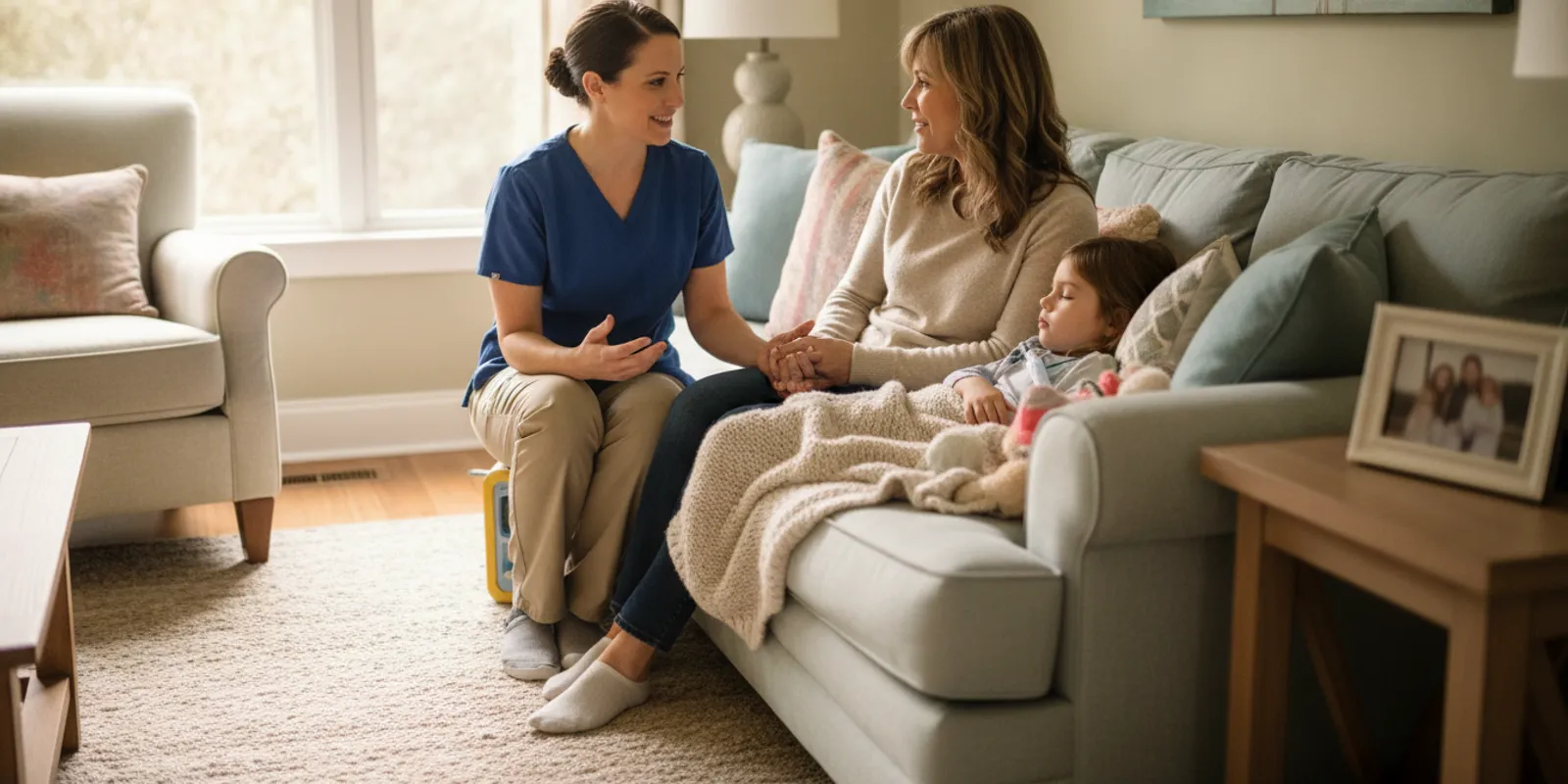
For families exploring pediatric home nursing Sandy Springs Georgia GAPP support, the most useful first step is to describe the child’s everyday medical needs and ask how nursing, care coordination, and program review fit together. Georgia Medicaid and GAPP decisions depend on the child’s circumstances and program requirements, so a provider conversation can help organize next steps but cannot promise approval. Read our Georgia guide to pediatric home health care for broader statewide context.
Talk with Greater Living about your child’s home nursing needs
What Should Families Know About Pediatric Home Nursing Sandy Springs Georgia GAPP Support?
Home nursing starts with understanding the child, not with a generic list of services. Families may be caring for a child who needs skilled clinical support at home because of a complex medical condition, physical disability, or ongoing treatment needs. A family’s first discussion should make the actual routine visible: what care happens, when it happens, who performs it, and what changes require clinical attention.
Greater Living Home Care provides pediatric in-home skilled nursing in Georgia through the Georgia Pediatric Program (GAPP) for children under 21. The program and the child’s circumstances guide whether services may be authorized. This article focuses on preparing for a provider conversation in Sandy Springs; it is not an eligibility decision or a substitute for program guidance. For a concise explanation of the service model, see the Georgia Pediatric Program service overview.
Families do not need to arrive with perfect paperwork or know clinical terminology. Clear examples are more useful than labels alone. Instead of saying only that a child needs “a lot of help,” note which tasks require a nurse, how often they occur, and what the family currently does to keep the routine safe and consistent.
How Can You Describe Your Child’s Daily Nursing Needs?
Prepare a short description of a typical day, including care that takes place at predictable times and care that can arise unexpectedly. Include school, therapies, sleep, transportation, and family routines when they affect the timing of clinical care. This helps a provider understand the context without assuming that every task is skilled nursing or covered under a particular authorization.
- Clinical tasks: List treatments or nursing procedures prescribed for your child, such as tracheostomy-related care, suctioning, oxygen support, or feeding-tube care, if these apply. Describe what the child’s clinician has instructed rather than changing or interpreting those instructions.
- Frequency and timing: Note how often a task occurs, whether it follows a schedule, and what makes the routine change. Use a few recent examples when timing varies.
- Observation needs: Explain what you monitor, what changes concern you, and whom you contact under the child’s current care instructions.
- Daily living support: Separate personal-care or other support needs from clinical nursing tasks. Different services can have different authorization rules and should not be treated as automatically included with skilled nursing.
- Family priorities: Share what would make care coordination clearer, such as communication about schedule changes, school routines, or updates to the care plan.
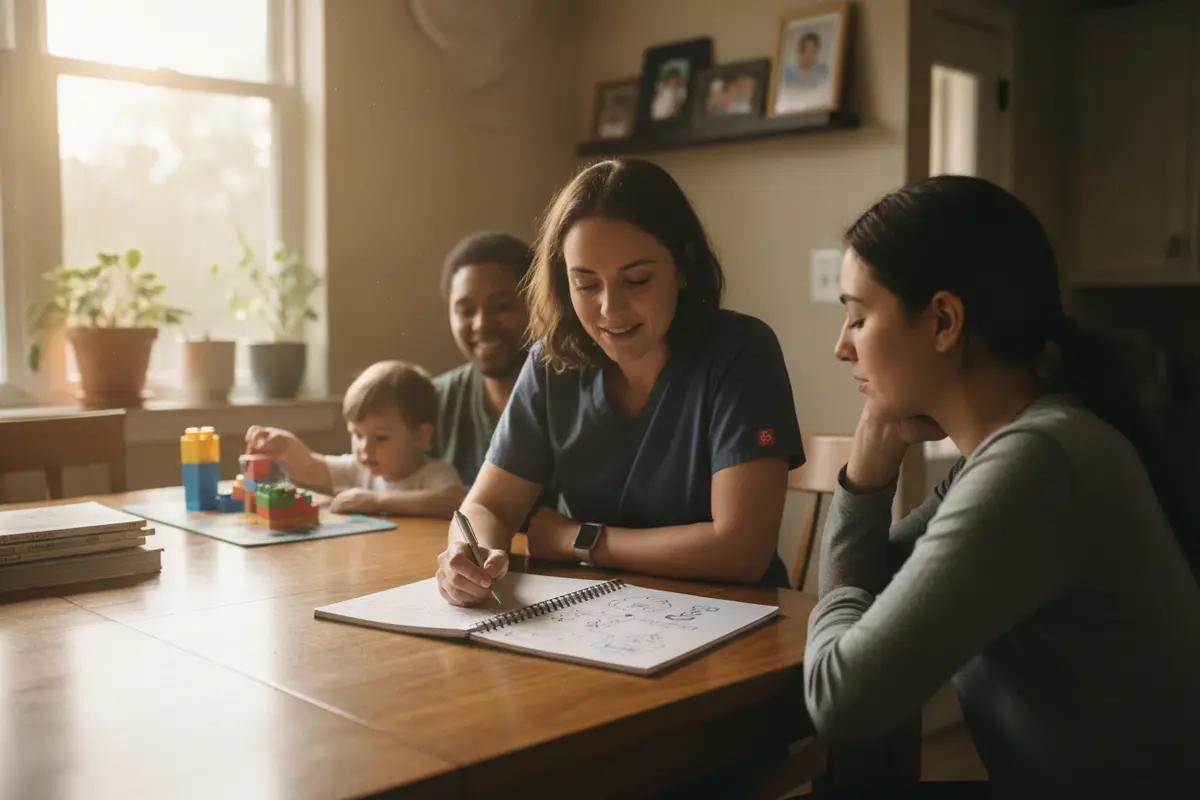
A simple written log can help. For several days, record the task, approximate time, who completed it, and any question that came up. Keep the record factual and protect private health information. You do not need to create a medical assessment; the goal is to help the care team understand the routine and ask better questions.
Which Records Can Help Before a GAPP Nursing Discussion?
Gather the records you already have, but do not delay asking questions because one document is missing. A provider can explain which information is useful for its intake and coordination process. The program or reviewing entity may require particular forms or clinical documentation; confirm current instructions rather than relying on an old checklist.
- Current Georgia Medicaid information and the child’s preferred contact details.
- Recent clinical summaries, discharge paperwork, or treatment instructions relevant to home care.
- A current medication list and the names of the clinicians who manage the child’s care.
- Existing nursing orders, assessments, or care plans, if applicable.
- School or therapy schedules and a brief description of the home routine.
- Questions about recent changes, upcoming appointments, or gaps in the current support plan.
Keep originals in a safe place and share copies only through the provider’s approved process. When sending information electronically, ask how to submit it securely. If an existing document conflicts with what the family observes now, flag the difference and ask the child’s clinician or care team how to resolve it. Do not edit medical orders yourself.
For a document-by-document preparation aid, review the GAPP application checklist for Georgia families. It can help you identify questions about paperwork, but it does not replace the latest instructions from the responsible program or reviewer. Families considering a specific authorization request may also find it useful to read about GAPP prior authorization.
How Do Nursing Roles and Care Coordination Fit Together?
Families sometimes hear “home care” used to describe different kinds of support. Pediatric skilled nursing is clinical care provided by qualified nursing professionals within their role and the child’s plan. Other support services may address separate needs and may involve different authorization rules. Ask the provider to distinguish the service, the professional responsible, and what the current program approval covers.
Greater Living is a private duty skilled nursing agency, not a placement or staffing service. Its nurses coordinate care, develop Case Model of Care plans, and provide clinical oversight as part of the agency’s model. Families can ask who will communicate about clinical planning, how updates are documented, and how concerns reach the appropriate nurse.
| Topic | What to clarify | Useful family question |
|---|---|---|
| Skilled nursing | Which clinical tasks are within the nurse’s role and the current plan? | “Which parts of my child’s routine require skilled nursing?” |
| Other support | Whether a personal-care or other support service is separate and how it is authorized. | “Is this need addressed by nursing or a different service?” |
| Care coordination | Who handles clinical communication, plan updates, and follow-up. | “Who should I contact when the care routine changes?” |
| Program review | Which decisions belong to Georgia Medicaid or the GAPP review process. | “What is the next review step, and who will explain it?” |
The distinctions matter because a conversation about a need is not the same as approval for a service. Ask the provider to explain what it can coordinate and what must be confirmed by the program or another authorized decision-maker. To understand how a written plan connects clinical needs and home routines, read the family guide to the GAPP Model of Care plan.
What Questions Should Sandy Springs Families Ask a Nursing Provider?
Use the first conversation to learn how the agency handles clinical coordination and how the family can participate. You can write down answers and follow up later. Questions that focus on process are useful even when eligibility, hours, or a start date have not yet been determined.
- Who reviews my child’s clinical information and helps coordinate the care plan?
- How will the nursing team learn the child’s established routine and preferences?
- How should our family communicate a change in condition, treatment instructions, or schedule?
- Which services are skilled nursing, and which needs may require a separate program or authorization?
- What records should we provide now, and what should come from the child’s clinician?
- How will the agency explain the status of its intake or coordination steps?
- What should we do if the requested schedule or service does not match the program’s decision?
Families can also ask how a nurse is matched to the child’s care needs and household routine. Relevant factors may include clinical skills, the child’s interests, and compatibility with the family’s communication style. Discussing these factors does not guarantee a particular caregiver or schedule; it helps make preferences and practical needs clear early.
It can help to identify what your child finds reassuring during care and how they communicate discomfort, preferences, or fatigue. Share the child’s usual ways of communicating, sensory considerations, and routines that make care smoother. A caregiver’s perspective matters, too: tell the agency what is working well and where the current routine feels difficult to sustain. These details help the conversation stay centered on the child as a person, not only on equipment or tasks.
If several family members coordinate care, agree on a short list of shared questions before contacting the provider. That can reduce repeated explanations and make it easier to notice when two people have received different information. After a call, write down the date, the person you spoke with, what was clarified, and any follow-up that remains. If an answer is uncertain, ask who can confirm it instead of filling in the gap yourself.
For context on private duty nursing and how it differs from other home health services, see pediatric private duty nursing for Georgia families. If you are comparing professional roles, the guide to RN and LPN roles in pediatric home care can help you prepare more specific questions.
How Can You Prepare for a First Home Nursing Visit?
If the process moves forward, preparation can make the first visit more useful. Confirm the visit’s purpose, who will attend, what records to have nearby, and whether the child’s clinician should provide information beforehand. The agency can explain its own process; program decisions and clinical instructions remain with the responsible parties.
- Choose a point person. Decide which caregiver will coordinate messages and how other family members should receive updates.
- Show the usual routine. Explain where supplies are kept, how the child’s day flows, and which household details affect care.
- Identify written instructions. Keep current orders and emergency guidance accessible, and ask the nurse to flag any unclear or outdated information for follow-up with the clinician.
- Discuss communication. Agree on how the family should ask routine questions, report changes, and receive care-plan updates.
- Record open questions. Note what remains unresolved, who will follow up, and any expected next step.
Do not change equipment settings, medication routines, or clinical procedures based on a general article or an informal conversation. Follow the child’s current clinician-provided instructions and ask the appropriate clinical professional when anything is unclear.
How Can Families Keep Care Coordination Clear Over Time?
Care needs and family routines can change. A simple communication habit helps everyone work from the same information: note the change, when it began, who has been informed, and what follow-up is pending. Share updates through the agreed channel and ask who is responsible for revising a plan or contacting the clinician.
When a change affects the child’s care, explain what is different rather than assuming the entire team already knows. Examples include a new treatment instruction, a school schedule change, a new piece of equipment, or a change in the timing of a recurring task. Keep a copy of the current plan and ask how to identify the latest version.
Families who want to understand how nursing continuity may be discussed can read the GAPP nursing continuity of care guide. For questions about how authorized nursing time is considered, see the family guide to GAPP nursing hours in Georgia. Neither resource replaces a child-specific program decision.
Georgia’s Department of Behavioral Health and Developmental Disabilities describes its Family Support Services as a non-entitlement program. That is a separate program description, so families should not assume that similarly named support programs share GAPP’s rules; verify the specific program and service involved. Read the state’s Family Support Services information.
Contact Greater Living to discuss pediatric home nursing next steps
Frequently Asked Questions
Does a child in Sandy Springs automatically qualify for GAPP nursing?
No. Living in Sandy Springs or having a particular diagnosis does not by itself confirm eligibility or authorization. Georgia Medicaid and the GAPP review process determine program decisions based on applicable requirements and the child’s information. A provider can help families understand its intake and coordination process.
What should I bring to an initial conversation?
Bring the Georgia Medicaid information you have, relevant clinical records or current instructions, a medication list, and a brief description of the child’s daily routine. If something is missing, ask what is needed next rather than assuming you must gather every record before contacting a provider.
Are personal-care services the same as skilled nursing?
No. Skilled nursing involves clinical nursing care, while personal-care and other support services may address different needs and follow separate authorization rules. Ask which service is being discussed and who can confirm whether it is authorized for your child.
Can a provider promise a specific number of nursing hours or a start date?
A provider conversation cannot guarantee a particular authorization, number of hours, caregiver, or start date. Those details depend on the child’s circumstances, program review, clinical coordination, and service arrangements. Ask what steps remain and who will communicate updates.
Preparing clear information and asking focused questions can help Sandy Springs families approach pediatric home nursing discussions with greater confidence while keeping program decisions and clinical guidance in the right hands.
